'We will see': CJI as Sena (UBT) challenges MPs' merger with Shinde faction in SC
Source Entity
TOI NEWS DESK
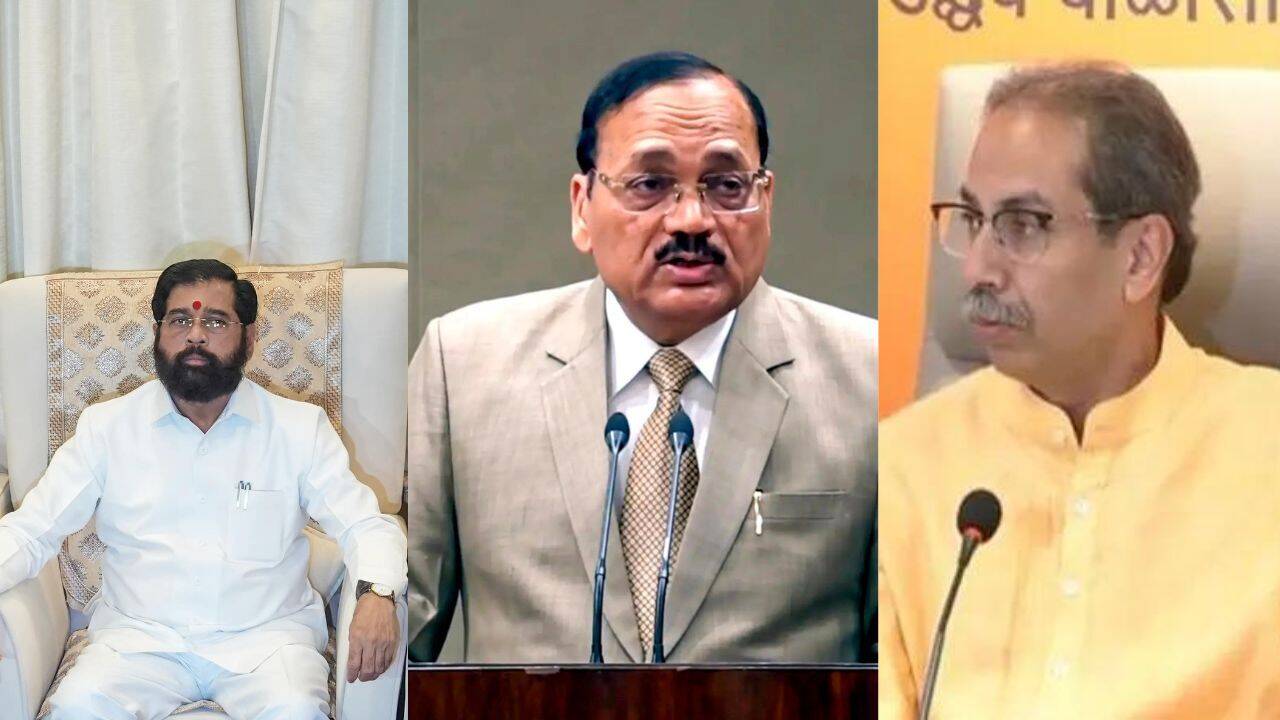
Lok Sabha Speaker Om Birla's recognition of six Sena (UBT) MPs merging with the Eknath Shinde-led Shiv Sena has significantly altered parliamentary dynamics. The Shiv Sena (UBT) has challenged this decision in the Supreme Court, citing a complete standstill in their parliamentary operations.
The Shift in Parliamentary Dynamics
The political landscape of the Lok Sabha underwent a significant transformation on June 18 when Speaker Om Birla officially recognized the merger of six Shiv Sena (UBT) Members of Parliament with the Eknath Shinde-led Shiv Sena. This administrative decision, occurring just two days before the commencement of the Monsoon Session, has fundamentally altered the numerical strength of the rival factions. By shifting these six seats, the Eknath Shinde faction has increased its tally from seven to 13, while the Uddhav Balasaheb Thackeray-led faction has been reduced to a mere three members.
Implications for the NDA and Mahayuti
This consolidation of power is not merely a parliamentary adjustment but a strategic reinforcement of the Eknath Shinde-led camp within the BJP-led National Democratic Alliance (NDA). Following the 2024 Maharashtra Assembly elections, which cemented the BJP's status as the primary force within the state-level Mahayuti alliance, this merger further bolsters Shinde’s leverage. By securing a larger footprint in the Lok Sabha, the Shinde faction asserts its dominance as the legitimate successor to the original party, effectively sidelining the UBT faction's influence at the national level.
The Legal Challenge
Predictably, the decision has met with fierce resistance from the Uddhav Thackeray faction. Senior advocate Devadatt Kamat, representing Sena (UBT) parliamentary party leader Arvind Sawant, has moved the Supreme Court to challenge the Speaker’s recognition of the merger. The petitioners argue that the move has brought the functioning of their political party within the Parliament to an absolute standstill. The urgency of the plea underscores the critical nature of the dispute, as the UBT faction seeks immediate judicial intervention to stall the implications of the Speaker's order.
Supreme Court Intervention
The matter was brought before a bench led by Chief Justice of India Surya Kant for urgent listing. The court’s response, characterized as a cautious "We will see," indicates that the judiciary is set to deliberate on the constitutional validity of the Speaker's decision in the coming days. This case highlights the ongoing tension between legislative authority, exercised by the Speaker under the Tenth Schedule, and judicial oversight regarding the split of political entities.
Future Trends and Political Stability
The outcome of this legal battle will likely set a significant precedent for how party mergers and defections are handled in the Indian Parliament. As the Shiv Sena (UBT) attempts to reclaim its parliamentary standing, the focus remains on whether the court will view the merger as a legitimate internal party transition or a breach of anti-defection norms. Regardless of the immediate verdict, the incident marks a pivotal moment in the power struggle between the Shinde and Thackeray factions, ensuring that the legal and political rivalry will continue to shape Maharashtra's and India’s broader political narrative for the foreseeable future.
Multiple Citing Sources