‘Beyond comprehension’: Court on Rs 22-cr work at Kolhapur’s Kopeshwar Temple
Source Entity
Omkar Gokhale
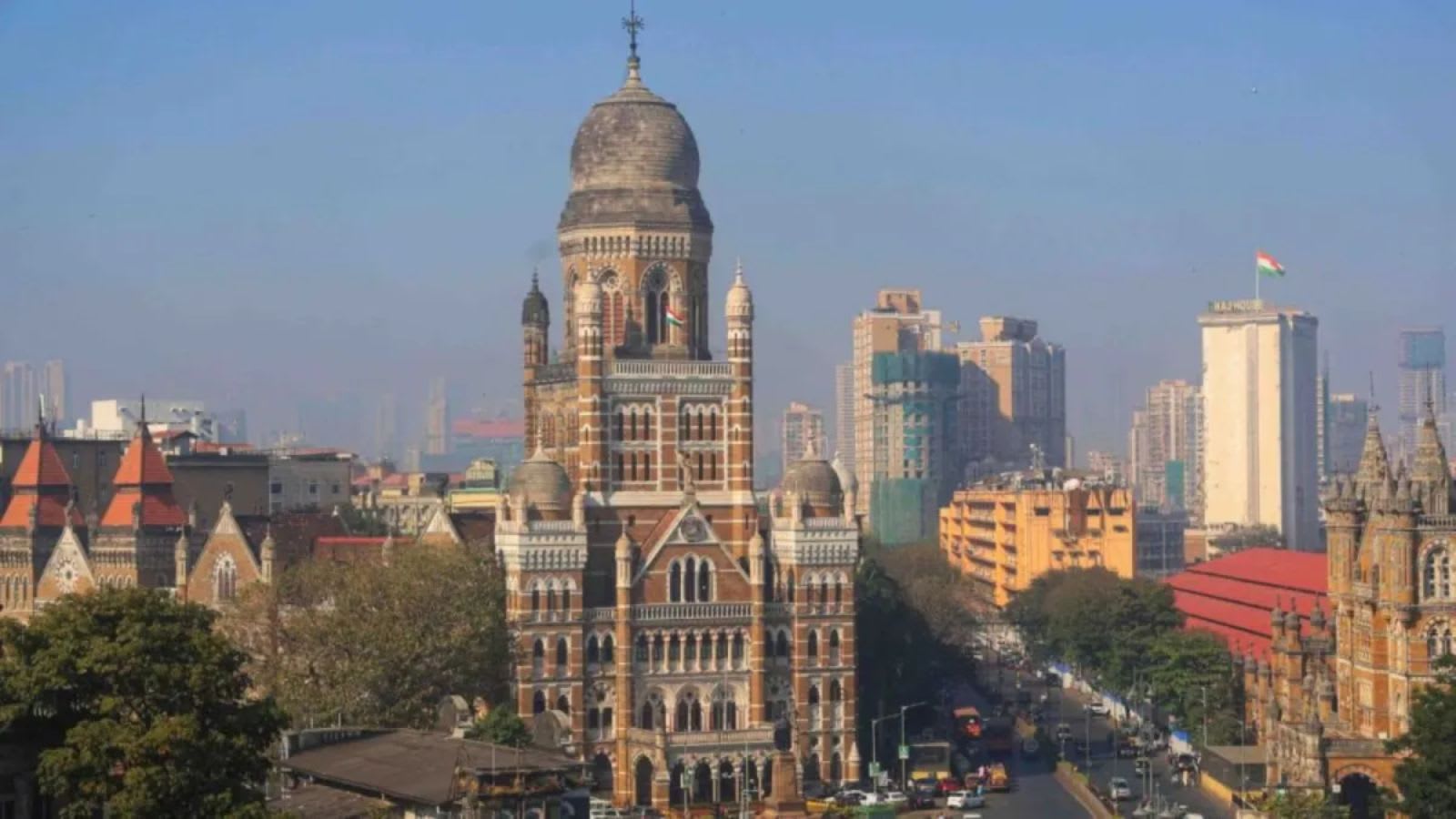
The Bombay High Court has questioned a proposed Rs 22-crore expenditure on peripheral infrastructure at the 12th-century Kopeshwar Temple. The court prioritized heritage restoration over non-essential construction and appointed a committee to inspect the site.
Judicial Scrutiny of Heritage Conservation
The Bombay High Court recently intervened in the management of the 12th-century Kopeshwar Temple in Khidrapur, Kolhapur, questioning a proposed expenditure of over Rs 22 crore. The court’s skepticism centered on the allocation of these significant funds toward the construction of a compound wall and a river ghat, rather than the urgent structural preservation of the temple itself. Justices Milind N. Jadhav and Nandesh S. Deshpande noted that such spending is “beyond comprehension,” emphasizing that the sanctity and physical integrity of the historical monument must remain the primary objective.
Prioritizing Heritage Over Aesthetics
At the heart of the legal dispute is the fundamental tension between modern commercial or peripheral development and the conservation of ancient Indian architecture. The court’s observation suggests a clear judicial stance: temple funds, which are often derived from public contributions or state-managed trusts, should not be diverted toward infrastructure that does not directly contribute to the survival of the heritage site. By labeling the proposed works as secondary, the bench has effectively signaled that preservation efforts must be data-driven and focused on the structural health of the 12th-century stone structures.
The Role of Independent Oversight
To ensure transparency and factual accuracy regarding the temple's actual needs, the Bombay High Court has taken the proactive step of appointing a five-member committee of advocates. This committee is tasked with conducting an on-site inspection and submitting a comprehensive report to the court. This mechanism serves as a safeguard against potential mismanagement of state funds, ensuring that the court’s future orders are predicated on an objective assessment of the temple’s current degradation rather than bureaucratic proposals.
Historical and Cultural Significance
The Kopeshwar Temple is a notable example of 12th-century craftsmanship, and its preservation is vital for maintaining the architectural lineage of the region. Historical structures of this age often face significant threats from environmental weathering and structural fatigue. When funds intended for these sites are diverted to peripheral projects like ghats or walls, the long-term risk of irreversible damage increases. The court’s intervention highlights the necessity of expert-led restoration strategies that prioritize the core monument over cosmetic or peripheral additions.
Broader Implications for Heritage Management
This case sets a significant precedent for the management of heritage sites across India. It underscores the judiciary's increasing role in holding authorities accountable for the stewardship of cultural assets. By questioning the financial logic of the proposed Rs 22-crore project, the Bombay High Court is asserting that heritage conservation requires a hierarchy of needs, where the protection of the primary structure is non-negotiable. Future trends in heritage management will likely see more such judicial oversight, ensuring that public resources are channeled into professional restoration and site protection rather than unauthorized or non-essential peripheral development.