JNU cancels permission for talk on Umar Khalid’s book
Source Entity
Latest News: Todays Latest News Headlines from India & World | Hindustan Times | Hindustan Times
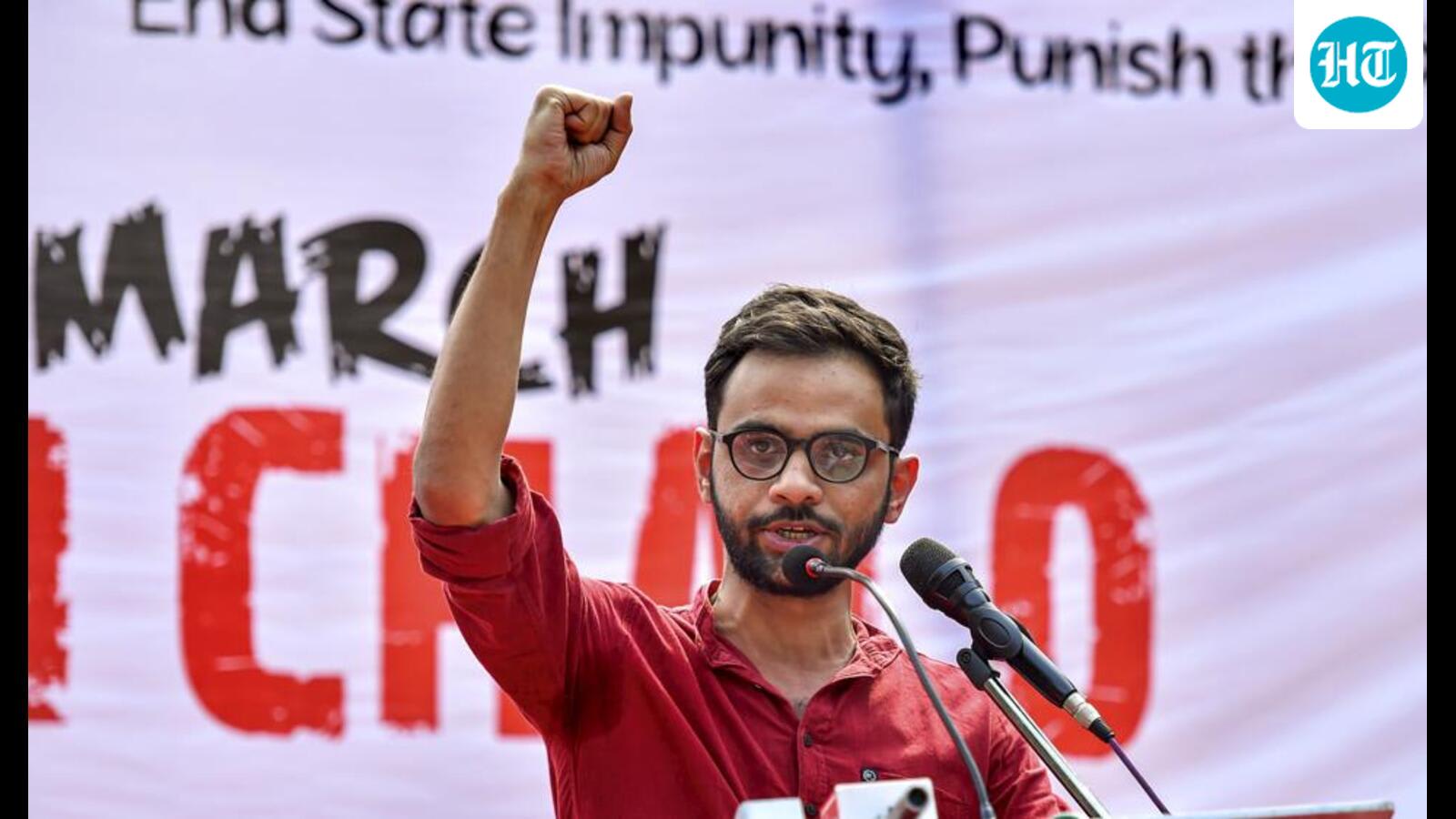
Jawaharlal Nehru University has revoked permission for a student-led book discussion featuring former student Umar Khalid, citing a lack of transparency regarding the event's details. The JNUSU has responded by relocating the discussion to the grounds outside the School of Social Sciences.
Tensions Rise Over Book Discussion at JNU
Jawaharlal Nehru University (JNU) has officially revoked the permission previously granted for a book discussion scheduled for August 10. The event, which was centered on the book Adivasi Histories and the Politics of Power written by former student Umar Khalid, was originally slated to take place in the SSS-1 auditorium. The administration’s decision to cancel the booking has sparked a localized controversy regarding campus discourse and administrative oversight.
The Official Stance on Cancellation
The university administration, through an official statement, justified the cancellation by alleging a "non-disclosure of the full facts" regarding the nature of the program. According to the university’s post on X, the Dean of the School of Social Sciences (SSS) took the action after determining that the event organizers had not been fully transparent about the scope or intent of the gathering. The administration emphasized that while JNU is a "democratic and decentralized institution," procedural compliance remains a requirement for utilizing campus infrastructure.
Student Union Response and Relocation
In response to the administration's decision, the Jawaharlal Nehru University Students' Union (JNUSU) has opted to proceed with the event despite the loss of indoor venue access. The union announced that the discussion would be held outside the School of Social Sciences building. This move indicates a continuation of the tradition of student-led resistance on the JNU campus, where organizational logistics are frequently adapted to navigate administrative prohibitions.
Broader Implications for Campus Discourse
This incident highlights the ongoing friction between student activists and university authorities at one of India's most politically active academic institutions. The choice of the book—authored by Umar Khalid, a figure associated with significant political controversy—adds a layer of ideological tension to the administrative decision. The debate over whether such cancellations constitute a restriction of academic freedom or a necessary enforcement of institutional protocol remains a defining characteristic of the JNU campus culture.
Future Outlook and Academic Environment
The decision to shift the venue from an auditorium to an outdoor space suggests that the JNUSU remains committed to hosting the discussion regardless of administrative hurdles. As the situation develops, it reflects broader trends in Indian higher education where the intersection of political expression and university governance is increasingly scrutinized. The outcome of this event may serve as a bellwether for future student-led initiatives that test the boundaries of institutional permission and public discourse.
Verification Required?