2 IIT Bombay Hostel Canteens Shut By Food Regulator Over Licence Issues
Source Entity
NDTV News Search Records Found 1000
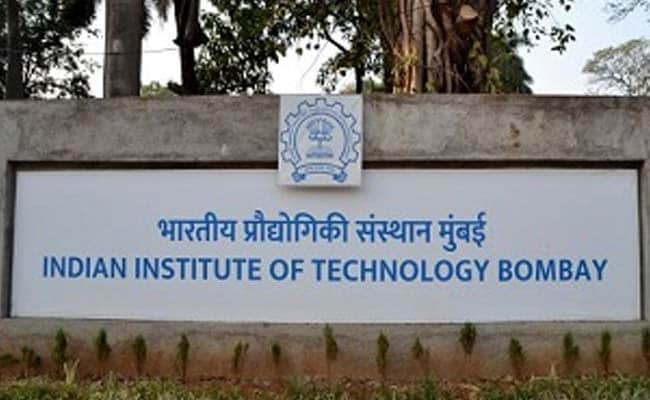
The Bombay High Court recently cautioned the Maharashtra FDA against overly punitive measures, citing the need for a realistic approach to hygiene inspections. This follows a broader statewide crackdown that recently led to the closure of two IIT Bombay hostel canteens over licensing issues.
Regulatory Oversight and Judicial Intervention in Maharashtra
The Maharashtra Food and Drug Administration (FDA) has recently intensified its regulatory oversight, conducting a statewide crackdown on food establishments to ensure hygiene and licensing compliance. This initiative has reached diverse sectors, ranging from elite educational institutions like IIT Bombay, where two hostel canteens were recently shuttered due to licensing discrepancies, to luxury hospitality venues in Navi Mumbai.
The Balancing Act of Enforcement
The recent legal intervention by the Bombay High Court highlights the tension between strict regulatory enforcement and practical operational realities. In a case involving a four-star hotel, the court quashed an FDA suspension order that was triggered by the discovery of two insects. The Bench, led by Acting Chief Justice Ravindra Ghuge, argued that such minor infractions—when contrasted with an otherwise satisfactory hygiene compliance report—do not warrant the drastic measure of suspending a business license.
Contextualizing 'Realistic' Compliance
The Court’s observation that "we are in India" serves as a mandate for regulatory bodies to adopt a more nuanced, proportional approach to enforcement. By suggesting that inspectors must account for environmental context, the judiciary is pushing for a shift from a zero-tolerance, punitive model to one that emphasizes substantial compliance and corrective action over immediate closure.
Broader Implications for Institutions
The closure of the IIT Bombay hostel canteens demonstrates the FDA's commitment to maintaining standards in high-traffic environments. However, the High Court’s ruling suggests that while the state must enforce safety, the penalty must be commensurate with the risk. This creates a new precedent where businesses and institutions may seek judicial relief if they can prove that their overall hygiene management remains robust despite isolated, minor lapses.
Future Trends in Food Safety Regulation
Moving forward, it is likely that the FDA will face increased pressure to refine its inspection protocols. The judiciary’s stance signals that while public health remains the priority, the economic impact of license suspensions on large-scale operations cannot be overlooked. Regulatory bodies may move toward a tiered penalty system, where minor infractions result in fines or improvement notices rather than immediate cessation of operations, fostering a more collaborative environment for compliance.
Verification Required?