IAF wing commander ‘honey-trapped’ by Pak operatives; charged for alleged info leak
Source Entity
SURENDRA SINGH
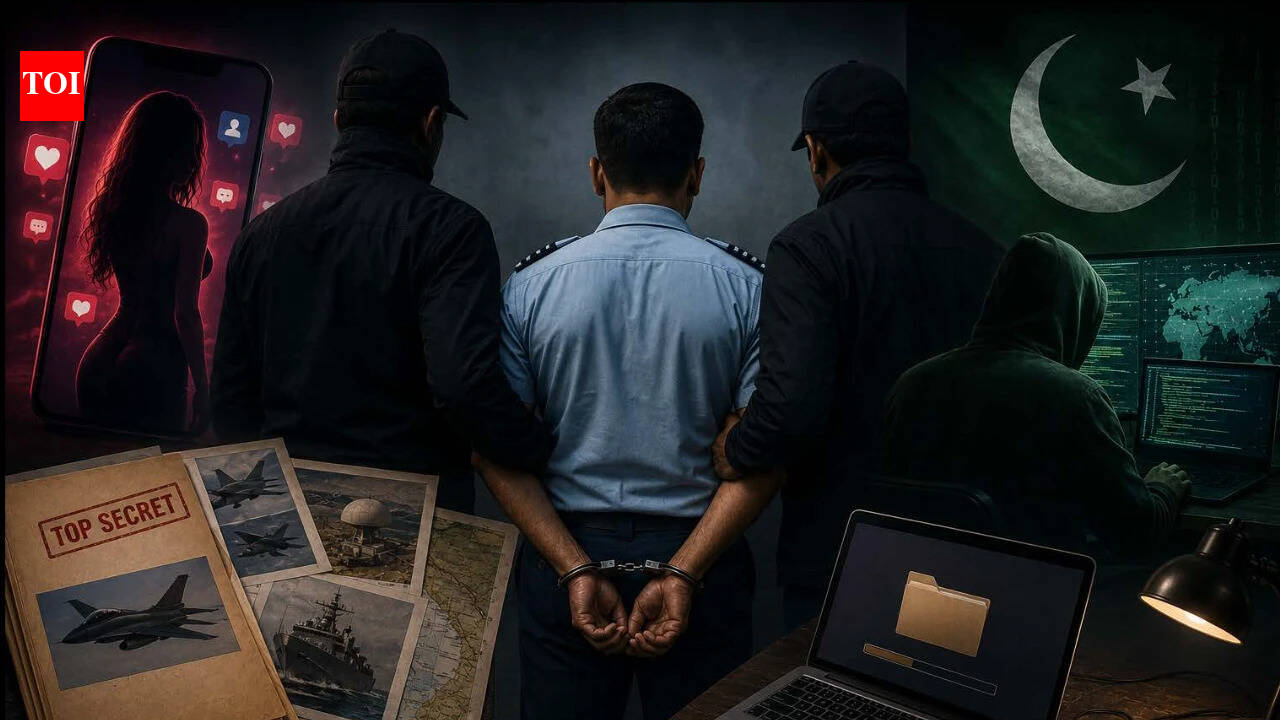
An Indian Air Force Wing Commander has been arrested for allegedly leaking classified defense data after being honey-trapped by Pakistani intelligence. The officer is accused of espionage and installing surveillance malware on a colleague's device.
Breach of Trust: The IAF Espionage Case
The recent arrest of an Indian Air Force (IAF) Wing Commander on charges of leaking sensitive defense information represents a significant security breach within the nation’s military apparatus. According to reports, the officer allegedly became a target of a sophisticated 'honey-trap' operation orchestrated by Pakistani intelligence operatives via social media platforms. This incident underscores the evolving nature of modern warfare, where digital deception and psychological manipulation are increasingly used to compromise national security from within.
The Mechanics of the Compromise
The investigation reveals a calculated attempt to exploit the officer’s personal security vulnerabilities. Reports indicate that the operative leveraged social media to establish a rapport, eventually coercing or manipulating the officer into compromising his professional integrity. This is not merely a case of individual failure but a testament to the persistent and aggressive intelligence-gathering tactics employed by adversarial state actors who target military personnel through accessible digital channels.
Technological Sabotage and Malware Deployment
Beyond the initial leakage of classified documents, the accusations extend to a more technical level of espionage. The officer allegedly installed covert remote-access malware on a colleague’s mobile device. This software was designed to track real-time locations, intercept communication logs, and potentially exfiltrate strategic data. By attempting to turn a fellow officer's device into a surveillance node, the accused sought to widen the scope of his unauthorized intelligence gathering, posing a direct threat to his peers and broader operational security.
Institutional Response and Surveillance
The arrest by the Delhi Police on May 30 was the culmination of an extensive internal investigation by the IAF’s intelligence wing. The fact that the IAF monitored the officer closely before the intervention highlights the military's robust internal counter-intelligence mechanisms. The officer is currently held in Tihar Jail under judicial custody, marking the transition of this case from an internal military disciplinary matter to a criminal prosecution under national security laws.
Broader Strategic Implications
This incident highlights the critical vulnerability of high-ranking military officials to digital influence operations. As intelligence agencies globally shift toward 'human intelligence' bolstered by cyber-tools, the Indian defense sector faces an urgent need to re-evaluate its digital hygiene and counter-espionage protocols. The case serves as a stark reminder that even those with high-level security clearances can be compromised, necessitating continuous training and vigilance against unconventional threats.
Future Trends in National Security
Moving forward, the Indian defense establishment is likely to implement stricter regulations regarding social media usage and digital device security for personnel in sensitive positions. The reliance on remote-access malware in this instance suggests that future security audits will need to focus heavily on endpoint security and the detection of anomalous software behavior on personal and work-issued devices. Ultimately, this case will likely set a precedent for how the judicial system handles military personnel accused of compromising national secrets through digital means.