Bombay High Court to Maharashtra: ‘Protect health of fasting tribal students‘
Source Entity
Omkar Gokhale
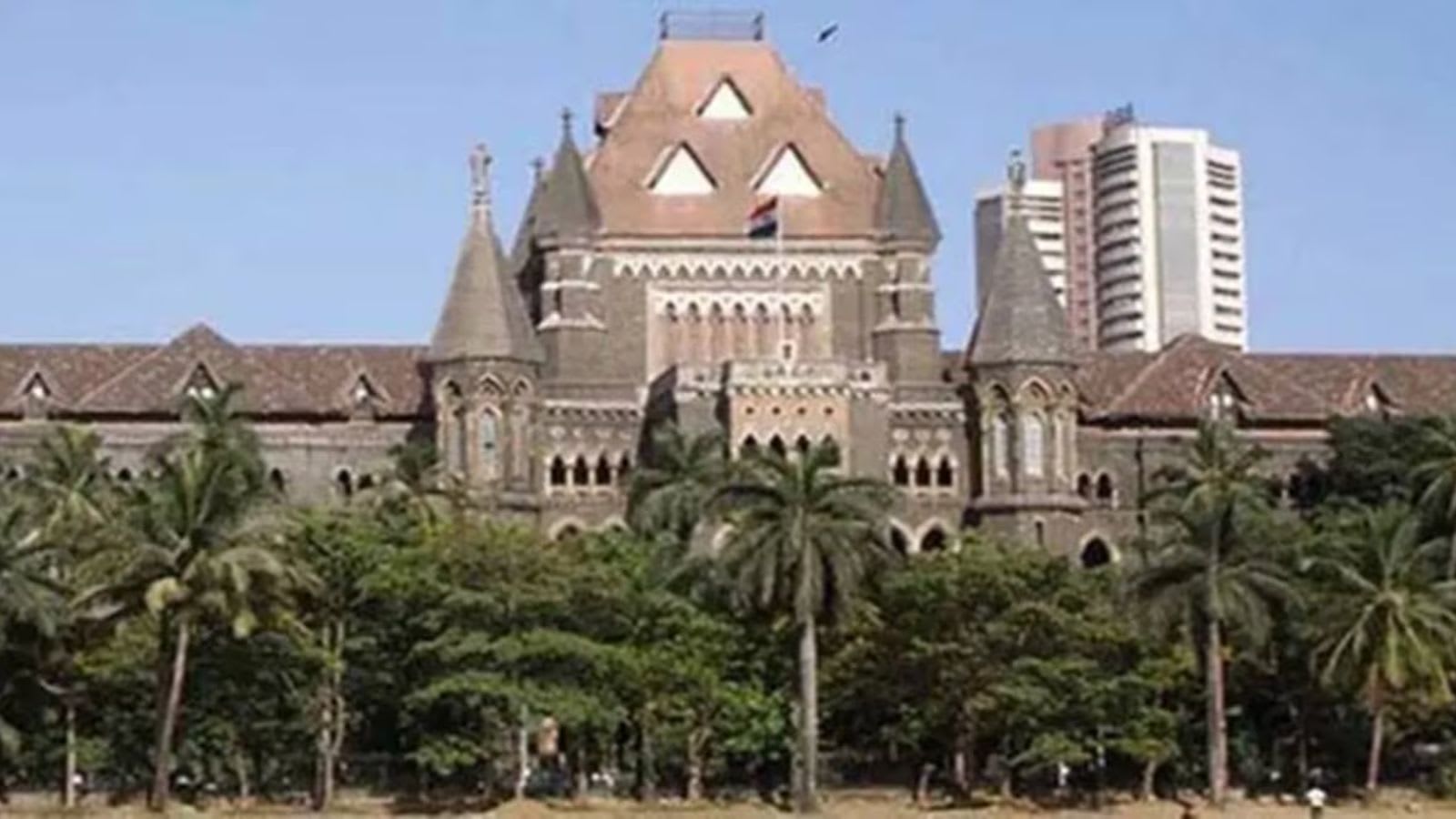
The Bombay High Court has intervened to protect the health of tribal students on a hunger strike across Maharashtra. Following the court's directive and subsequent negotiations, the state government has agreed to meet the students' demands regarding infrastructure and recruitment.
Judicial Intervention in Tribal Welfare
The recent intervention by the Bombay High Court regarding the health and safety of protesting tribal students marks a critical juncture in the ongoing discourse surrounding tribal welfare in Maharashtra. Acting Chief Justice Ravindra V. Ghuge and Justice Gautam A. Ankhad issued a stern directive to the state government, emphasizing that the preservation of student life is the absolute priority. This judicial stance stems from a history of systemic failures, including incidents of food poisoning and tragic fatalities in Ashram schools, such as the recent death of three students in Gadchiroli due to snakebites.
Addressing Systemic Negligence
The protests, which spanned Pune, Nagpur, and Nashik, were fueled by deep-seated frustrations regarding the lack of basic infrastructure and educational facilities within tribal residential schools. Historically, these institutions have faced scrutiny for their inadequate living conditions and inconsistent medical oversight. The court's insistence on immediate medical assistance and hospitalization for the hunger-striking students serves as a mechanism to prevent further tragedy while the broader administrative issues are addressed.
Government Response and Demands
Following the court’s intervention and mounting public pressure, Maharashtra Tribal Development Minister Ashok Uike announced that the government has accepted the students' demands. These demands were multifaceted, focusing on two primary pillars: the professional recruitment of Scheduled Tribes candidates into government service and a comprehensive overhaul of the residential school system. The government's decision to address these grievances aims to bridge the long-standing gap between policy intent and ground-level execution.
Political and Social Context
The intensity of these protests was exacerbated by a series of unfortunate events, including the death of students in Amravati and Gadchiroli, which highlighted the precarious nature of tribal education. The involvement of political figures, including the influence of correspondence from national leaders regarding hostel age limits, underscores the high-stakes political environment surrounding tribal rights. By conceding to the students' demands, the administration is attempting to de-escalate a situation that had become a symbol of administrative apathy.
Future Implications and Policy Shifts
Looking ahead, the successful resolution of this hunger strike serves as a blueprint for how future grievances regarding marginalized communities might be handled. The government’s commitment to improving Ashram school conditions must now be followed by rigorous implementation and transparent reporting. Failure to maintain these standards could lead to renewed unrest and further judicial oversight, as the court has signaled a zero-tolerance policy toward the loss of student lives. The long-term success of this agreement rests on whether the state can effectively integrate Scheduled Tribes candidates into the workforce while ensuring the safety and dignity of those remaining in the residential school system.