Nepal Floods: 21 Indians Reach Delhi, 63 Rescued From Hydropower Project
Source Entity
Latest News: Todays Latest News Headlines from India & World | Hindustan Times | Hindustan Times
Northern India faces dual crises as flash floods from Nepal threaten river basins in Uttar Pradesh and Bihar, while communal tension rises in Rae Bareli following the desecration of an Ambedkar statue. Authorities are currently managing flood alerts and local law and order situations to ensure public safety.
Crisis Management in Northern India: Floods and Social Unrest
The Hydrological Threat from Nepal
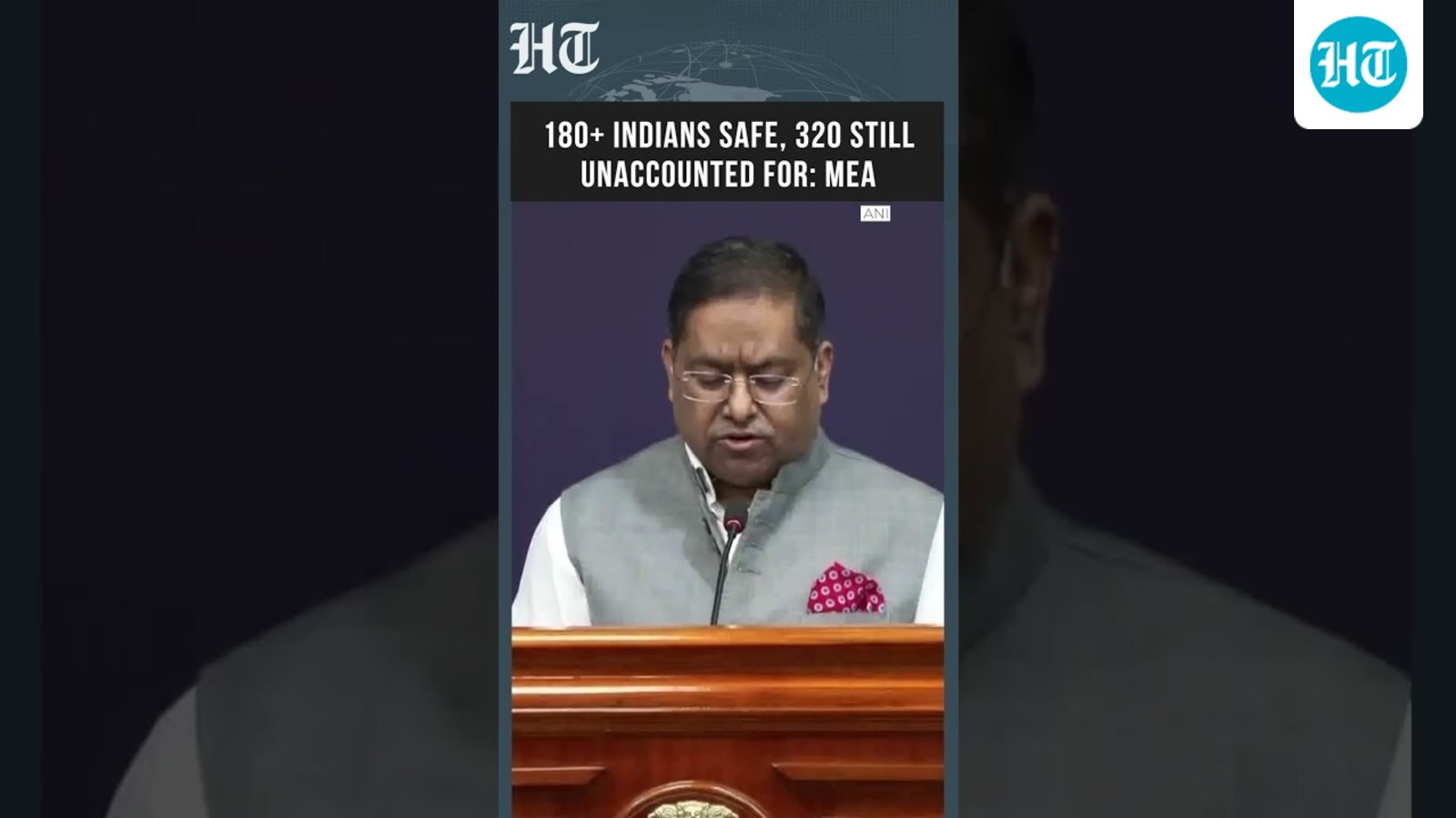
Northern India is currently navigating a precarious situation as heavy rainfall in Nepal, coupled with the opening of barrage gates, has triggered flash floods approximately 200 kilometers north of the Indian border. This environmental event poses a direct threat to the riverine infrastructure of Uttar Pradesh and Bihar. Specifically, the increased discharge into the Ghaghara, Rapti, and Kosi rivers, along with the potential for rising water levels in the Gandak and Narayani systems—which receive inflow from the Trishuli and Bhote Koshi rivers—has forced authorities in Uttar Pradesh, Bihar, and Uttarakhand to issue high-level alerts. The human toll is significant, with reports indicating dozens of fatalities and nearly 400 tourists, including 105 Indian nationals, currently missing.
Broader Implications of Transboundary Water Management
The reliance on cross-border river systems highlights the vulnerability of Indian plains to upstream weather patterns in the Himalayas. The connection between the Trishuli river, which draws from Tibetan origins, and the Gandak river demonstrates the complex hydrological chain that dictates flood risks in the Gangetic basin. As water levels rise, the administrative challenge for local governments is to balance flood mitigation, population displacement, and search-and-rescue operations. These transboundary water management issues remain a critical aspect of regional stability, necessitating close coordination between Indian and Nepalese authorities to manage barrage releases and downstream impact.
Social Instability in Rae Bareli
Parallel to the natural disaster, social cohesion is being tested in the Baburiha village of Rae Bareli, Uttar Pradesh. On August 25, 2026, the discovery of mud and soot smeared on a statue of Dr. B.R. Ambedkar sparked local outrage. The incident has created significant tension, as residents and followers of Dr. Ambedkar have demanded immediate accountability for what is perceived as a deliberate act of desecration. Such incidents often serve as flashpoints for community friction, testing the responsiveness of local law enforcement and the resilience of the social fabric in rural districts.
The Role of Law Enforcement and Governance
The response to the Rae Bareli incident has been swift, characterized by the deployment of police forces to maintain order and the arrival of high-ranking officials, including the Additional Superintendent of Police and the Circle Officer of Unchahar. By engaging directly with the aggrieved villagers and promising a transparent investigation, authorities aim to prevent the escalation of local anger into broader civil disorder. This intervention underscores the necessity for proactive policing in managing sensitive community issues to ensure that public sentiment remains channeled through legal, rather than confrontational, avenues.
Concluding Synthesis and Future Outlook
As the regions of Uttar Pradesh and Bihar face the immediate threat of flooding, the administrative apparatus is stretched across disaster management and community stabilization. The dual nature of these challenges—environmental and social—highlights the importance of robust infrastructure in flood-prone zones and the need for communal harmony in sensitive rural areas. Future trends will likely see increased focus on early warning systems for transboundary water flows and enhanced surveillance around heritage and cultural icons to prevent further social friction. Addressing these issues effectively will be crucial for maintaining public safety and institutional trust in the coming months.
Multiple Citing Sources
Verification Required?