Narendra Dabholkar murder: Second convict gets bail, sentence suspended
Source Entity
Omkar Gokhale
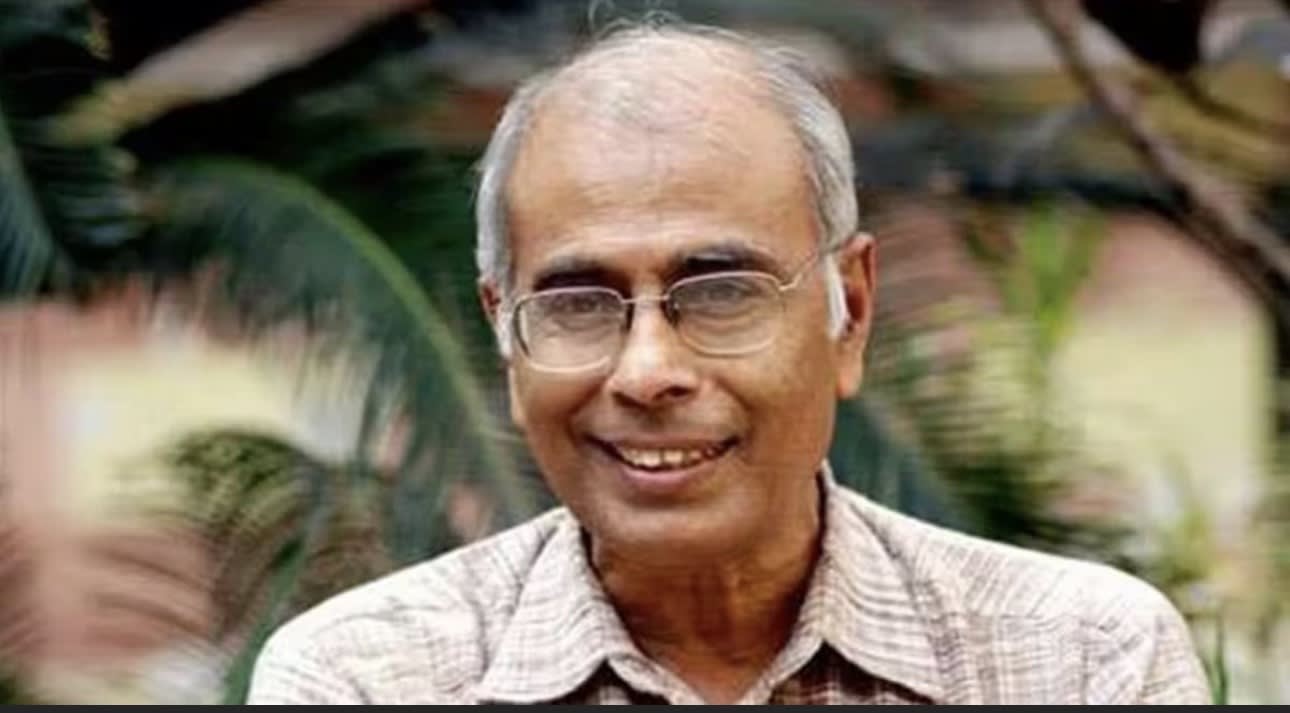
The Bombay High Court has made significant judicial rulings regarding two high-profile cases, emphasizing reformative justice for a 2006 kidnap-murder convict while granting bail to a key figure in the 2013 Narendra Dabholkar murder. These decisions highlight the court's evolving approach toward rehabilitation and the legal complexities surrounding long-standing criminal appeals.
Judicial Discretion and the Evolution of Justice in Maharashtra
The Bombay High Court has recently issued two distinct but significant rulings that reflect the complex intersection of reformative justice and the stringent legal processes governing major criminal convictions. In the first instance, the court ordered the early release of a 2006 kidnap-murder convict, explicitly grounding its decision in the 'reformative theory' of the modern criminal justice system. By highlighting the convict's pursuit of IGNOU education and his responsible conduct during incarceration, the bench of Justices Neela Gokhale and Amit S. Jamsandekar reinforced the idea that penal policy should incentivize genuine rehabilitation rather than serving solely as a punitive measure.
The Balancing Act of Reformative Theory
The court’s intervention in the 2006 case was prompted by the Goa government’s rejection of the State Sentence Review Board’s (SSRB) recommendation. By overturning this decision, the High Court underscored that administrative bodies must align their actions with the broader objective of reintegrating individuals who demonstrate a commitment to self-improvement. This ruling serves as a vital precedent for inmates seeking parole or early release based on educational achievements, suggesting that academic progress is a quantifiable metric for assessing a prisoner’s readiness for societal reentry.
Developments in the Dabholkar Murder Case
Simultaneously, the legal landscape surrounding the 2013 murder of rationalist Dr. Narendra Dabholkar has shifted with the granting of bail to Sachin Prakashrao Andure. Following the earlier bail granted to co-convict Sharad Bhausaheb Kalaskar, the bench of Justices Sarang V. Kotwal and Ranjitsinha R. Bhonsale suspended Andure's life sentence pending his appeal. These bail orders are procedural in nature, as the court manages the high-stakes appeals process, yet they remain highly sensitive given the public interest in the assassination of the founder of the Maharashtra Andhashraddha Nirmoolan Samiti.
Legal Implications and Public Scrutiny
The Dabholkar case continues to be a focal point for civil society, particularly as the victim's family, represented by Mukta Dabholkar, has raised concerns regarding the nature of the conspiracy and the exclusion of certain charges. The court's decision to grant bail, while imposing strict conditions—such as monthly appearances before the Pune Police—demonstrates a commitment to maintaining judicial oversight while respecting the legal rights of the accused during the appeal phase. The ongoing nature of the trial, which also involves charges related to the murder of activist Govind Pansare, ensures that these legal proceedings remain under intense scrutiny.
Future Trends in Judicial Review
Looking forward, these cases highlight a dual trend in the Indian judiciary: a willingness to embrace rehabilitative outcomes for prisoners who demonstrate behavioral change, and a rigid adherence to procedural fairness in complex, politically charged murder trials. As the Bombay High Court continues to navigate the appeals in the Dabholkar case, the focus will likely remain on balancing the rights of the appellants with the pursuit of justice for the victims. The reliance on rigorous bail conditions suggests that while the court acknowledges the necessity of due process, it remains vigilant in ensuring that those accused of serious crimes remain within the reach of the law as their cases progress.