Faisal Islam: Why bond market wildfire is keeping world leaders up at night
Source Entity
BBC News
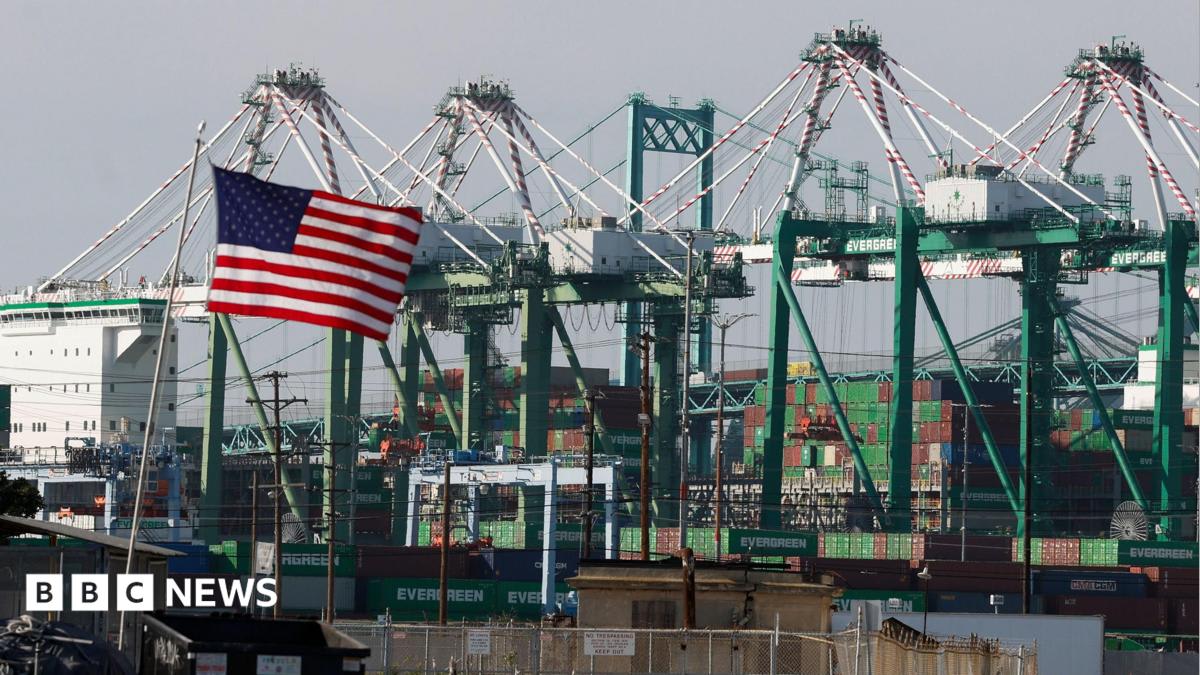
Surging global bond yields are being driven by massive AI infrastructure spending and geopolitical instability. Markets are demanding higher borrowing costs from governments lacking credible fiscal plans.
The Bond Market Wildfire: A Global Fiscal Reckoning
The Mechanics of Rising Borrowing Costs
The current global economic landscape is being reshaped by a rapid increase in borrowing costs, a trend driven less by fear of sovereign insolvency and more by the cold, hard mathematics of market credibility. As major nations seek to finance expanding fiscal requirements, bond markets are reacting with heightened sensitivity. The core issue is not an existential threat of bankruptcy, but rather a fundamental repricing of risk: when governments attempt to borrow significantly without a transparent or credible long-term fiscal framework, investors demand higher yields as a premium for the perceived uncertainty.
The AI Investment Supercycle
One of the primary catalysts for this volatility is the unprecedented surge in capital expenditure related to Artificial Intelligence. Economists, including Mohamed el-Erian, have highlighted that the massive, resource-heavy nature of AI infrastructure is creating a new competitive pressure within bond markets. As nations and corporations race to secure the capital necessary to dominate the AI landscape, the sheer volume of debt issuance is straining existing market liquidity, forcing rates upward in a process that is increasingly difficult for central banks to manage.
Geopolitical Instability and Policy Uncertainty
Beyond the technological front, geopolitical tensions—specifically the ongoing conflict in Iran—are acting as an accelerant for market anxiety. These external shocks complicate the ability of governments to project fiscal stability. Lord Jim O'Neill has pointedly noted that the recent market turbulence is exacerbated by deep-seated uncertainty regarding U.S. policy. Specifically, the market is skeptical of the U.S. government's ability to effectively manage surging yields, leading to a loss of confidence that reverberates across international financial systems.
The Crisis of Credibility
At the heart of this "bond market wildfire" is the relationship between political stability and fiscal policy. When a government’s internal political landscape becomes volatile, the market’s willingness to fund that government's debt at favorable rates diminishes. This creates a feedback loop where political instability leads to higher borrowing costs, which in turn places further pressure on national budgets, potentially triggering deeper economic crises.
Future Trends and Global Implications
Looking ahead, the trajectory of global interest rates will likely remain tethered to the intersection of technological ambition and political governance. As countries scramble to balance the need for AI-driven economic growth with the necessity of fiscal discipline, those failing to provide clear, credible borrowing strategies will find themselves increasingly isolated by the bond market. The era of cheap, easy debt appears to be waning, replaced by a period where market discipline dictates the pace of national development.