Cheetah brought from Botswana gives birth to four cubs at Kuno
Source Entity
India Latest News: Top National Headlines Today & Breaking News | The Hindu
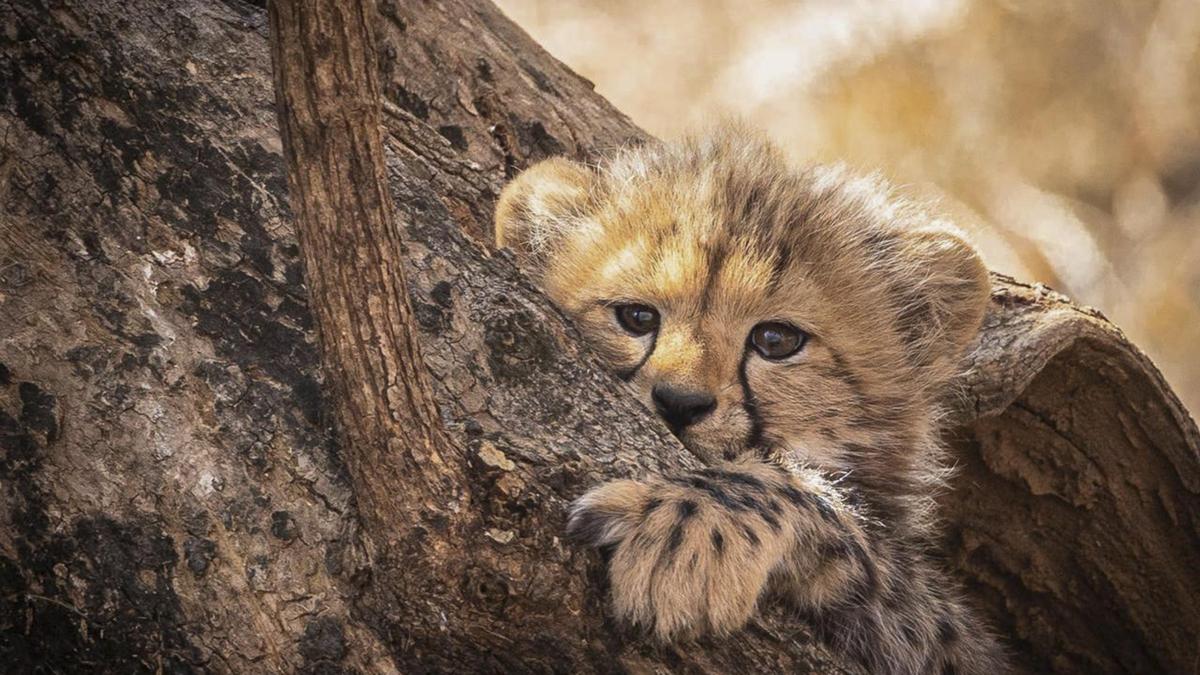
A Botswana-born cheetah named KOMG 3 has given birth to four healthy cubs in Kuno National Park, marking a significant milestone for India's reintroduction project. This success brings the total cheetah population in India to 62, reflecting the program's progress in achieving wild breeding.
A Milestone for Biodiversity: Cheetah Conservation in India
The recent birth of four healthy cubs to a Botswana-born female cheetah, identified as KOMG 3, at Madhya Pradesh’s Kuno National Park marks a pivotal moment in India's ambitious wildlife conservation efforts. This event, officially confirmed by Union Environment Minister Bhupender Yadav, signifies that the reintroduction program is successfully transitioning from experimental phases to sustainable natural breeding cycles. With these new arrivals, India’s total cheetah population has reached 62, a figure that underscores both the scale of the initiative and the gradual success of the adaptation process for these African big cats within the Indian landscape.
The Significance of KOMG 3
KOMG 3 is a two-and-a-half-year-old female who has spent over four months acclimating to the wild conditions of Kuno. Her successful birth is particularly noteworthy as she is the first cheetah brought specifically from Botswana to give birth in India. This achievement validates the selection criteria and habitat preparation efforts managed by the forest department, proving that the animals are not only surviving but thriving enough to reproduce in their new environment.
Progressing Towards Self-Sustaining Populations
Project Cheetah, which began in 2022, has faced numerous logistical and biological challenges. However, the fact that this is the second recorded instance of a wild birth suggests a positive trend. Of the 62 cheetahs currently in India, an impressive 43 were born on Indian soil. This ratio is a critical indicator of the program’s long-term viability, as the ultimate goal is to establish a self-sustaining population that no longer relies on constant external supplementation.
Ecological and National Implications
For Madhya Pradesh and the nation at large, this development is a point of significant pride. Chief Minister Mohan Yadav has lauded the birth as a historic achievement, highlighting the collaborative efforts between federal and state authorities. Beyond the national sentiment, this success serves as a global case study for large-scale carnivore translocation, offering valuable data on how specialized species adapt to novel ecosystems after having been locally extinct for decades.
Future Outlook and Challenges
While the birth of four healthy cubs is a cause for celebration, the broader mission of Project Cheetah remains complex. The survival of these cubs under natural conditions is the next major hurdle. Conservationists and park officials continue to monitor the mother and her litter closely to ensure they remain safe from predation and environmental stressors. As the population grows, the focus will likely shift toward expanding the carrying capacity of the park and potentially identifying additional corridors to support the increasing numbers.
Conclusion
Ultimately, the birth of the four cubs highlights the efficacy of the rigorous monitoring and protection protocols implemented by Kuno National Park. By successfully fostering the natural behavior of these predators, India is making tangible progress in its goal to restore a species that once held a significant place in its ecological history. This landmark moment not only boosts the current population count but also provides the necessary momentum for the future expansion of the cheetah reintroduction project.
Verification Required?