Adding Lilly’s new drug to Zepbound helped people lose up to 23% of their weight. But there were more side effects.
Source Entity
Jaimy Lee
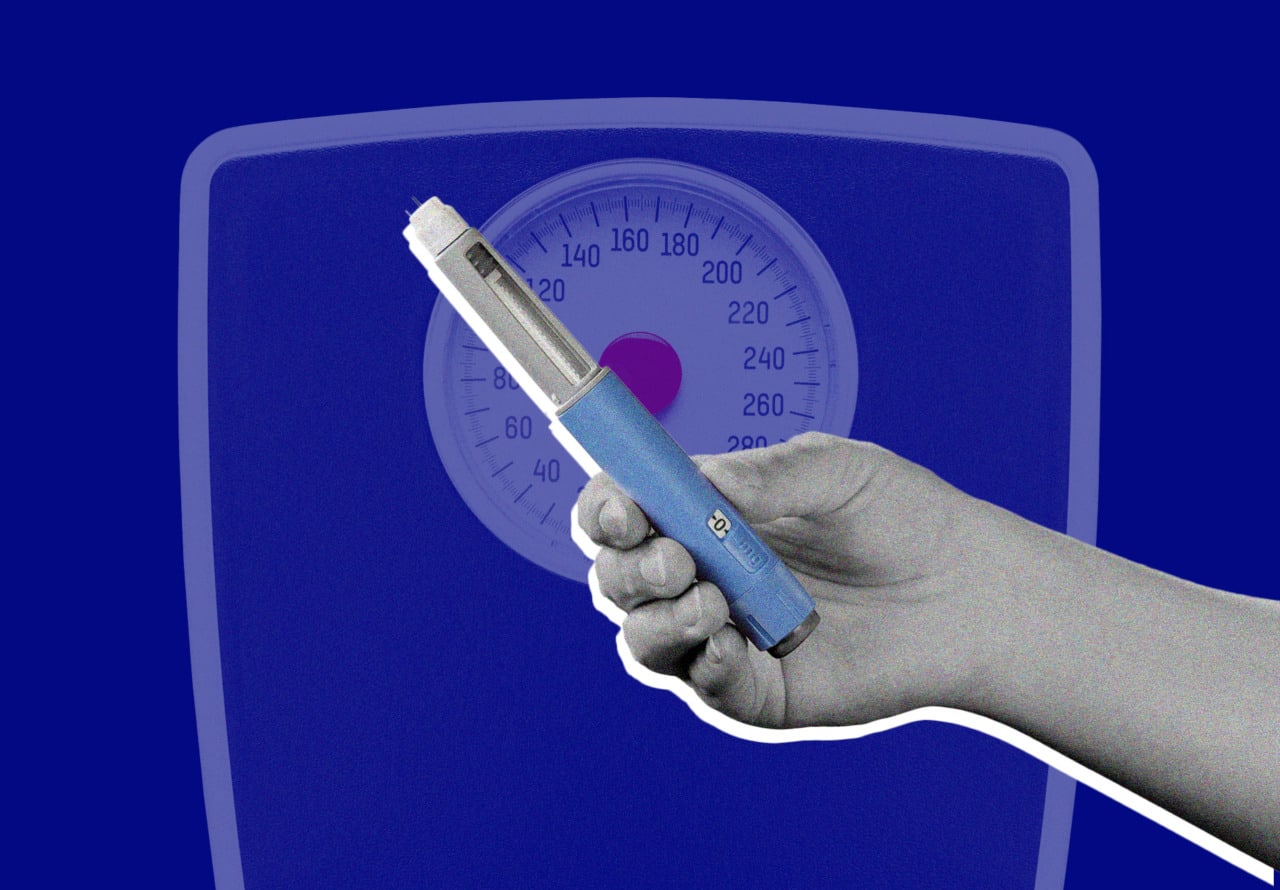
New clinical data reveals that the experimental drug retatrutide achieves unprecedented weight loss of up to 30%, while real-world studies show that switching to oral Wegovy can sustain weight loss effectively. These advancements suggest a shift toward more potent and convenient, non-injectable treatment options for obesity.
The New Frontier of Obesity Pharmacotherapy
Recent clinical data has brought a paradigm shift to the treatment of obesity, with the emergence of triple-hormone agonist drugs like retatrutide. By simultaneously simulating GLP-1, GIP, and glucagon, retatrutide has demonstrated clinical potency that surpasses existing standards. The latest findings indicate that patients on the highest dose achieved a 25 percent reduction in body weight after 80 weeks, with that figure climbing to 30 percent after 104 weeks. This level of efficacy signals a departure from traditional weight management toward outcomes once thought only achievable through surgical intervention.
Beyond Weight Loss: Addressing Comorbidities
The implications of these clinical trials extend far beyond cosmetic weight reduction. Obesity is a chronic condition that serves as a precursor to a suite of debilitating health issues. The data highlights that retatrutide significantly alleviated physical markers of disease, including a 62 percent reduction in knee pain for patients with obesity-linked osteoarthritis and a 57 percent decrease in sleep apnea events. By addressing these secondary complications, the drug offers a holistic approach to managing the metabolic and mechanical burdens of obesity.
The Shift Toward Oral Administration
While injectable treatments like Wegovy and Zepbound have dominated the market, the landscape is evolving toward patient convenience. New real-world data from telehealth platforms suggests that patients transitioning from injectable medications to Novo Nordisk’s oral Wegovy pill continue to lose weight. This finding is critical, as it challenges the assumption that long-term weekly injections are the only viable path for weight maintenance, potentially increasing treatment adherence and patient satisfaction.
Diversifying the Pharmaceutical Pipeline
Innovation is not limited to existing hormone pathways. Pharmaceutical companies are actively testing experimental amylin drugs, which function similarly to GLP-1s but offer different metabolic profiles. Recent trials indicate that combining these experimental agents with existing therapies like Zepbound can result in weight loss of up to 23 percent. However, this increased potency comes with the caveat of higher side-effect profiles, necessitating a careful balance between efficacy and patient safety in future regulatory approvals.
Future Trends and Clinical Outlook
The rapid evolution of obesity medication suggests a future where treatment is highly personalized. As researchers refine dosing and delivery mechanisms, the focus will likely shift from simple weight loss to the optimization of metabolic health. The ability to switch between injectable and oral delivery methods, coupled with the potential for combination therapies, suggests that the next decade will see obesity managed as a manageable, chronic condition rather than a temporary lifestyle challenge. Continued monitoring of safety profiles will remain the top priority for clinicians as these potent new formulas enter the broader patient population.
Verification Required?