‘From rule-takers to rule-shapers’: PM Modi’s big pitch to BRICS leaders in welcome address
Source Entity
India Latest News: Top National Headlines Today & Breaking News | The Hindu
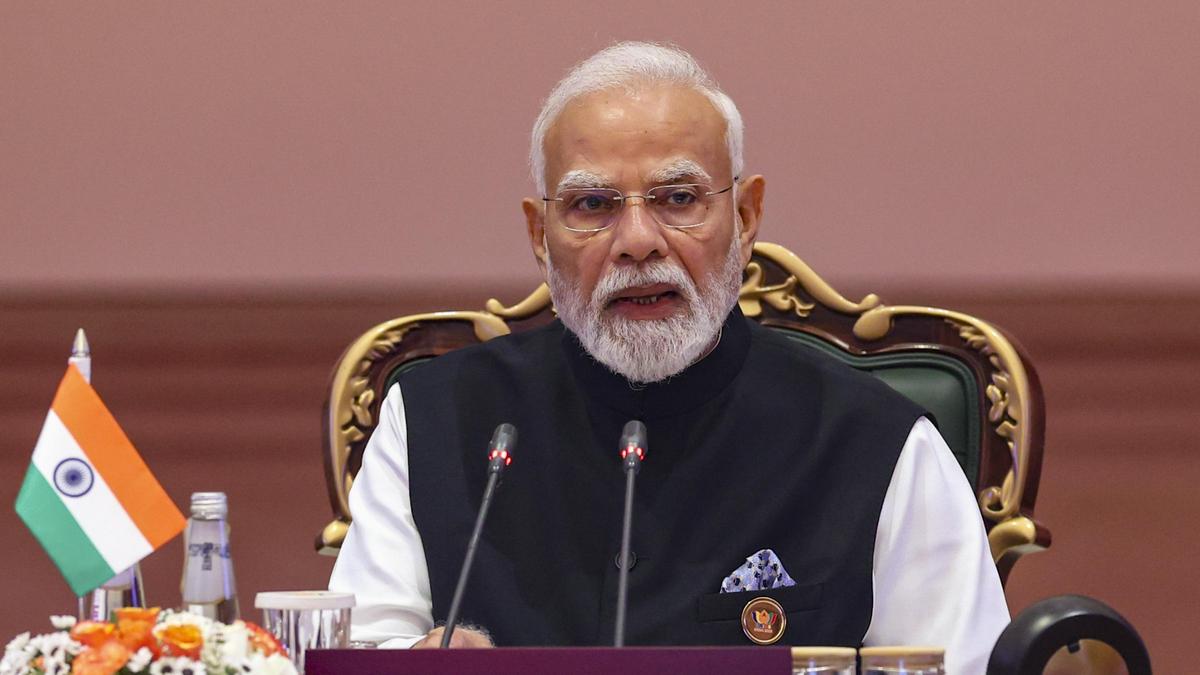
New Delhi is hosting the 18th BRICS Leaders' Summit on September 12-13 at Bharat Mandapam. The event features high-level discussions on global governance, trade, and sustainability, hosted by Prime Minister Narendra Modi.
The 18th BRICS Leaders’ Summit: A New Delhi Milestone
On September 12 and 13, 2026, the global diplomatic stage shifts to New Delhi as India hosts the 18th BRICS Leaders’ Summit at the Bharat Mandapam. This high-profile gathering marks a significant moment for the grouping, which now counts 11 major emerging economies among its members. Coming exactly 20 years after the formalization of the bloc, the summit represents two decades of evolution in South-South cooperation and the growing influence of non-Western economic powers on the international stage.
A Packed Diplomatic Agenda
The summit is structured into a rigorous two-day program designed to facilitate both formal policy negotiation and informal diplomatic engagement. The first day, September 12, focuses on the core membership, beginning with an official welcome by Prime Minister Narendra Modi. The agenda includes a closed-door session titled 'Inclusive Global Governance and Strengthening Multilateralism,' alongside an innovation exhibition and a ceremonial tree plantation, symbolizing the group's commitment to shared growth and environmental stewardship. The day concludes with a gala dinner hosted by Prime Minister Modi, providing a vital venue for side-line diplomacy, including potential high-level bilateral meetings.
Core Themes and Global Governance
The substantive agenda for the summit is centered on 'Building Resilience,' reflecting the current geopolitical and economic climate. Key discussion points include strengthening cooperation in food and energy security, health, and disaster resilience. Furthermore, the leaders are set to deliberate on critical supply chains, reflecting an urgent need for member states to insulate their economies from external shocks. By focusing on trade, investment, and technology, the summit aims to create a cohesive strategy for navigating the complexities of modern global governance.
Expanding the Scope: Outreach and Inclusion
A defining feature of the 18th summit is its inclusive approach, as the program expands on the second day, September 13, to include leaders from partner countries and various outreach invitees. This shift highlights the bloc's desire to extend its influence beyond its core membership, inviting a broader range of developing nations to participate in discussions on global and regional issues. This outreach is crucial for the group's ambition to reshape the current international order into one that is more representative of the Global South.
Future Trends and Strategic Implications
As the summit progresses, the focus on multilateralism and economic resilience points toward a future where BRICS intends to play a more proactive role in setting the global agenda. By prioritizing the integration of technology and the stabilization of supply chains, the member nations are signaling a shift toward collective self-reliance. This summit serves as a litmus test for the group’s ability to reconcile the varying interests of its 11 members while maintaining a unified stance on systemic reform of global financial and political institutions.
Conclusion
The 18th BRICS Summit in New Delhi stands as a testament to the enduring relevance of the grouping. By balancing symbolic gestures—such as family photos and tree plantations—with heavy-duty policy discussions on trade and governance, India is positioning itself as a central mediator in the evolving multipolar world order. The outcomes of these two days are expected to set the tone for regional cooperation and international trade relations for the remainder of the decade.
Multiple Citing Sources
Verification Required?