Room shortage, per night prices exceeding ₹2 lakh at Delhi luxury hotels ahead of BRICS Summit
Source Entity
Latest News: Todays Latest News Headlines from India & World | Hindustan Times | Hindustan Times
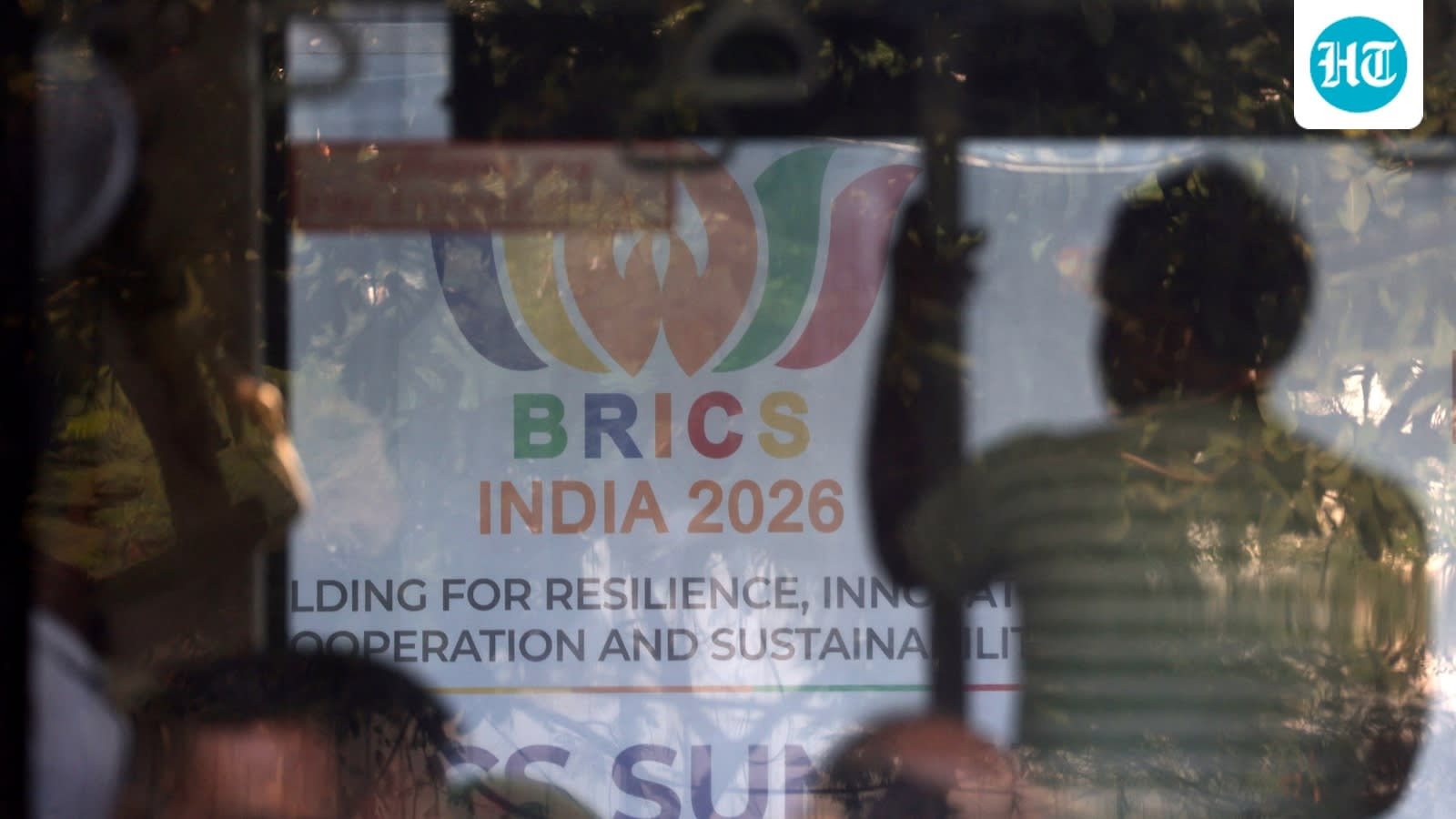
The upcoming 18th BRICS Leaders' Summit in New Delhi has caused a massive surge in luxury hotel demand, leading to room shortages and nightly rates exceeding Rs 2 lakh. This high-profile event is creating significant logistical and economic ripples across the capital's hospitality sector.
The BRICS Summit Effect: A Surge in Delhi's Hospitality Market
As New Delhi gears up to host the 18th BRICS Leaders’ Summit from September 12-13, the city’s premium hospitality sector is experiencing an unprecedented surge in demand. The convergence of world leaders, diplomatic delegations, and international media has led to a critical shortage of luxury accommodation, with many marquee properties reporting complete occupancy or severely limited inventory for the duration of the event.
Economic Implications of Diplomatic Gatherings
This sudden spike in demand serves as a vivid illustration of how high-stakes international diplomacy directly influences local market dynamics. With room tariffs at select luxury hotels now climbing beyond Rs 2.3 lakh per night, the hospitality sector is witnessing a classic supply-and-demand mismatch. This pricing volatility is not merely a reflection of room availability but also accounts for the heightened security, logistical support, and specialized services required to host global heads of state.
Challenges for the Hospitality Sector
For Delhi’s luxury hotel chains, the summit presents a dual reality: significant revenue growth balanced against extreme operational pressure. The "room crunch" reported across the city suggests that the infrastructure is being pushed to its limits. As hotels prioritize bookings for official delegations, regular high-end travelers and corporate visitors are being displaced, leading to a ripple effect throughout the capital’s tourism and business travel ecosystem.
Broader Urban Impact
Beyond the hotel rooms themselves, the summit is reshaping the city's daily operations. The issuance of traffic advisories for motorcade rehearsals underscores the massive logistical footprint of the event. These disruptions, while standard for high-level summits, contribute to the overall atmosphere of exclusivity and restricted movement that characterizes the days leading up to the gathering, further stressing the city's transport and service networks.
Historical Context and Future Trends
Hosting an event of this magnitude—marking two decades since the founding of the BRICS bloc—highlights India’s growing prominence on the global stage. Historically, such summits have acted as catalysts for infrastructure upgrades and increased visibility for the host city. However, the current scarcity of rooms reflects a need for more robust high-end capacity in major metropolitan hubs to handle sudden, high-intensity diplomatic influxes without completely freezing the local market.
Concluding Outlook
In summary, the 18th BRICS Summit is not only a geopolitical milestone but a transformative event for the Delhi economy. While the record-breaking room rates and limited inventory present challenges, they underscore the city’s capacity to serve as a nerve center for global affairs. As the dates for the summit approach, the market will likely remain volatile, with prices and availability fluctuating based on final security protocols and last-minute booking adjustments.
Verification Required?