‘Unbecoming of a judicial officer’: Court pulls up judge for holding trial despite compromise
Source Entity
Somya Tyagi
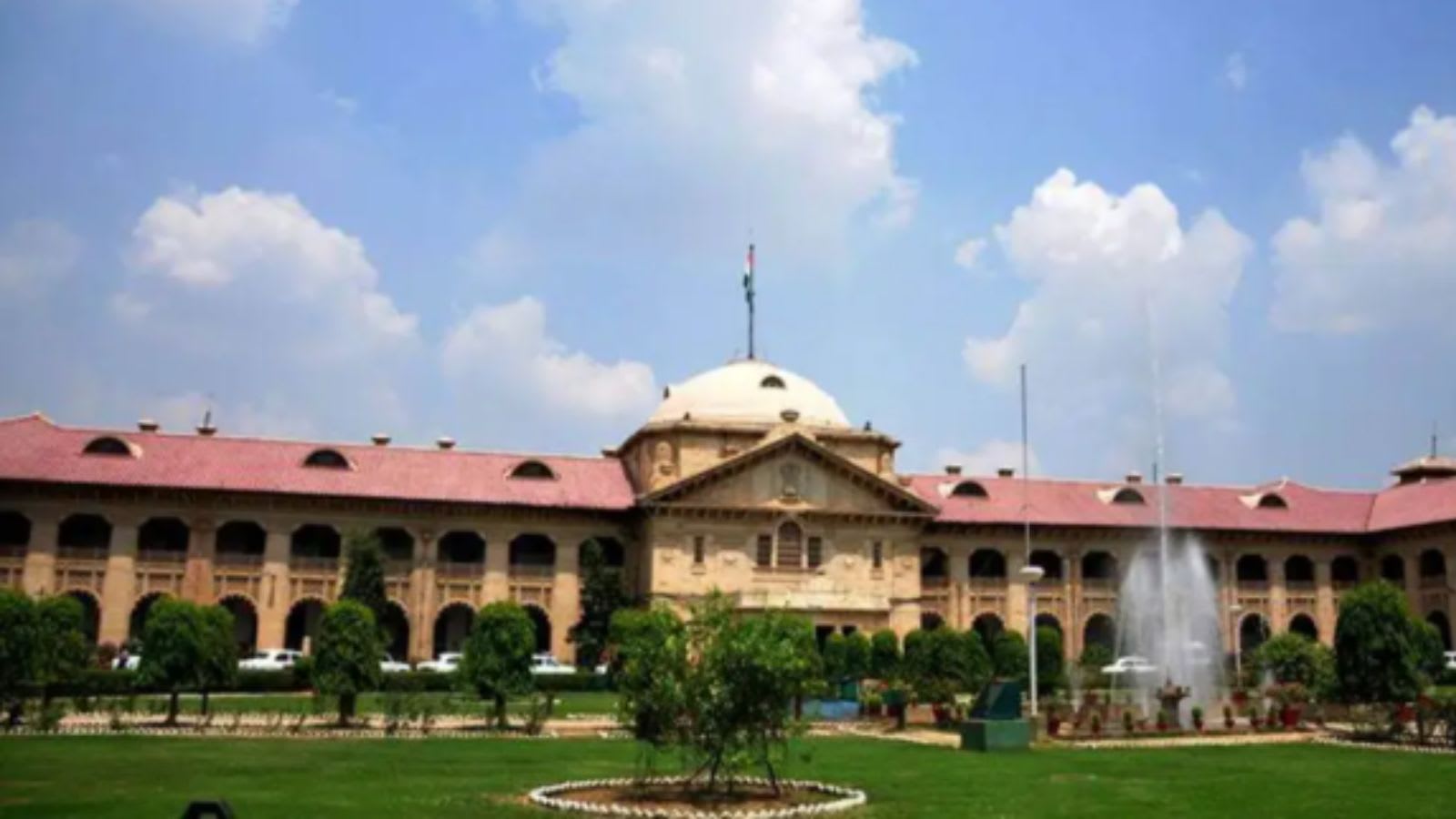
The Allahabad High Court has reprimanded a trial judge for defying directives regarding compromise applications. Simultaneously, Judge Ravi Kumar Diwakar has made headlines for his vocal stance against mafia influence while issuing a record number of death sentences.
Judicial Integrity and Administrative Friction in Uttar Pradesh
Recent developments within the Uttar Pradesh judiciary have brought to light a complex intersection of administrative accountability and the personal challenges faced by judicial officers. The Allahabad High Court’s recent admonishment of a trial court judge for violating a specific directive to decide a case based on a compromise application underscores the strict hierarchy and procedural discipline that governs the Indian legal system. By proceeding to a full-fledged trial despite clear instructions to the contrary, the judge in question was found to have acted in an 'illegal and arbitrary' manner, prompting the High Court to label the action a 'blatant and flagrant' violation of judicial orders.
The Tension of Procedural Compliance
The case heard by Justice Raj Beer Singh highlights a critical friction point: the balance between a judge’s discretionary powers and the binding nature of appellate court mandates. When a higher court directs a trial court to resolve a matter through a compromise application—a common mechanism to reduce the burden on the judicial system and facilitate restorative justice—the trial court is expected to adhere strictly to that directive. The failure to do so, as noted in this instance, not only creates unnecessary legal work for the accused but also undermines the authority of the higher judiciary, leading to the necessity of recall petitions and further litigation.
The Stance of Judge Ravi Kumar Diwakar
Parallel to these procedural concerns, Additional District and Sessions Judge Ravi Kumar Diwakar has emerged as a polarizing and vocal figure. Known for his role in the high-profile 2022 Gyanvapi mosque survey order, Judge Diwakar has recently garnered attention for his bold declaration that he would 'rather die' than be labeled a coward. Having issued 23 death sentences in five months, his judicial philosophy reflects a rigorous, uncompromising approach to criminal justice, particularly in cases he deems 'rarest of rare,' such as the recent dowry-murder conviction of Mohd. Nadeem.
Allegations of External Influence
Judge Diwakar’s public statements go beyond individual sentencing; they touch upon systemic anxieties regarding the influence of organized crime. By alleging that numerous cases have been withdrawn from his court to benefit mafias and gangsters in western Uttar Pradesh, the judge has invited a broader conversation about the safety and independence of the lower judiciary. His assertion that he refuses to function 'under pressure' suggests a belief that the administrative handling of case assignments may be compromised by external interests, a claim that poses significant questions for the oversight mechanisms of the state’s judicial infrastructure.
Broader Implications for the Judiciary
The juxtaposition of these two narratives—one involving a judge penalized for procedural defiance and another involving a judge claiming to be a target of institutional interference—paints a picture of a judiciary under immense pressure. Whether through the lens of administrative discipline or the struggle against criminal intimidation, the integrity of the judicial process remains a central concern. The Allahabad High Court’s intervention in the first instance serves as a reminder of the need for internal consistency, while Judge Diwakar’s public grievances highlight the dangers inherent in presiding over volatile criminal matters in a region plagued by organized crime.
Conclusion
In summary, the Uttar Pradesh judiciary is currently navigating a period of intense scrutiny. From the necessity of complying with higher court directives to the personal risks taken by judges who feel targeted by criminal elements, these events reflect the multifaceted challenges of upholding the rule of law. As the system continues to process these tensions, the adherence to established legal procedures and the protection of judicial independence will remain the cornerstones of public trust in the legal order.