Putin Leaves Delhi After Historic BRICS Summit - the Exit That Everyone Watched
Source Entity
Latest News: Todays Latest News Headlines from India & World | Hindustan Times | Hindustan Times
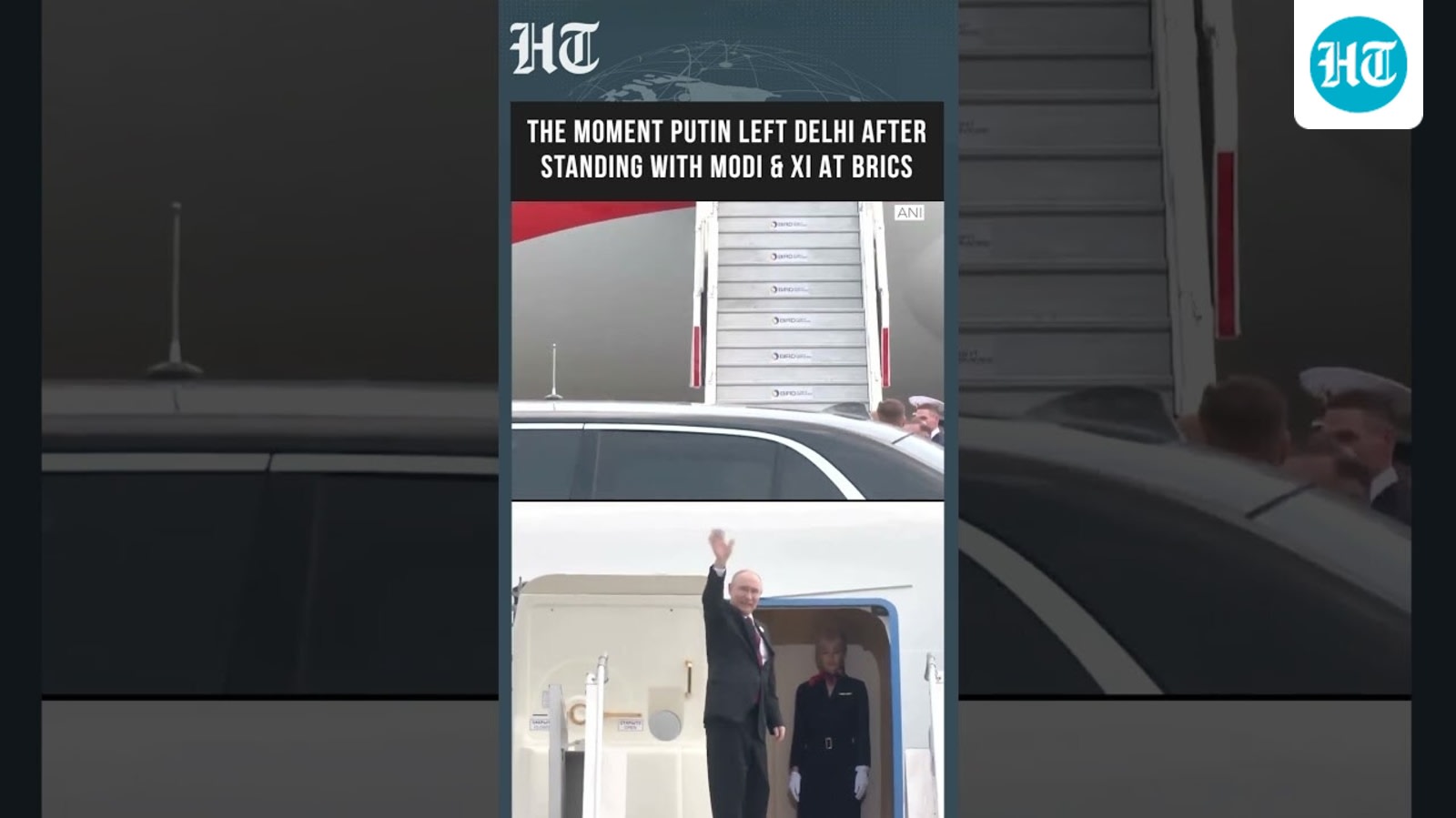
The 18th BRICS summit in New Delhi highlighted India's strengthening ties with the UAE and Iran amidst rising Middle East tensions. PM Modi prioritized regional stability and infrastructure projects like the IMEC, while President Pezeshkian emphasized the impact of sanctions and aggression on Iran's economic security.
Strategic Engagements at the 18th BRICS Summit
The 18th BRICS summit, hosted in New Delhi this September, has emerged as a critical diplomatic theater for balancing regional economic ambitions against escalating geopolitical volatility. As leaders gathered, the discussions centered on two distinct but interconnected pillars: the expansion of strategic infrastructure corridors and the urgent necessity of maintaining stability in a region currently defined by heightened military and economic friction.
Advancing the India-UAE Partnership
Prime Minister Narendra Modi’s engagement with the UAE highlights the transformative nature of India-UAE relations over the past few years. By focusing on the India-Middle East-Europe Economic Corridor (IMEC) and energy infrastructure, both nations are signaling a shift toward deeper integration. This partnership is not merely transactional; it represents a long-term commitment to creating resilient trade routes that bypass traditional bottlenecks, thereby fostering energy security and economic prosperity for the broader region.
Iran’s Perspective on Economic and National Security
In a stark contrast to the development-focused discourse, Iranian President Masoud Pezeshkian utilized the BRICS Business Forum to draw a direct link between economic security and national sovereignty. Pezeshkian’s assertion that economic stability cannot be decoupled from regional security serves as a reminder of the 'far more dangerous phase' Iran faces due to what he termed 'extensive' US sanctions and active military aggression from Israel. His presence in New Delhi underscores the urgency with which Iran is seeking to navigate these pressures through the BRICS framework.
The Nexus of Regional Instability
Pezeshkian’s visit arrives at a time when Middle East tensions have spiked to critical levels. The intersection of these tensions with the BRICS platform provides a unique, albeit complex, venue for dialogue. PM Modi’s explicit focus on 'secure sea lanes' and the safety of seafarers during the summit reflects India’s concern that the ongoing regional conflicts could disrupt global supply chains, thereby threatening the very economic progress that forums like BRICS aim to promote.
Diplomatic Balancing Acts
For India, the task of hosting both Iranian leadership and various global stakeholders requires a delicate balancing act. By advocating for dialogue and open sea routes, New Delhi is positioning itself as a stabilizing force. The juxtaposition of the IMEC’s growth with the warnings of conflict-driven economic decay highlights the core challenge facing the Global South: how to maintain developmental momentum while surrounded by escalating geopolitical crises.
Future Implications and Outlook
The outcomes of this summit will likely define the trajectory of regional cooperation for the coming years. If the focus on infrastructure and dialogue prevails, it could provide a buffer against the 'dangerous phase' of economic pressure described by the Iranian delegation. However, the success of these initiatives remains contingent on the ability of BRICS nations to insulate their collaborative economic projects from the spillover effects of the Middle East’s current security volatility.
Multiple Citing Sources
Verification Required?