El Salvador’s president thinks he can eliminate Haiti’s gangs
Source Entity
Latest News: Todays Latest News Headlines from India & World | Hindustan Times
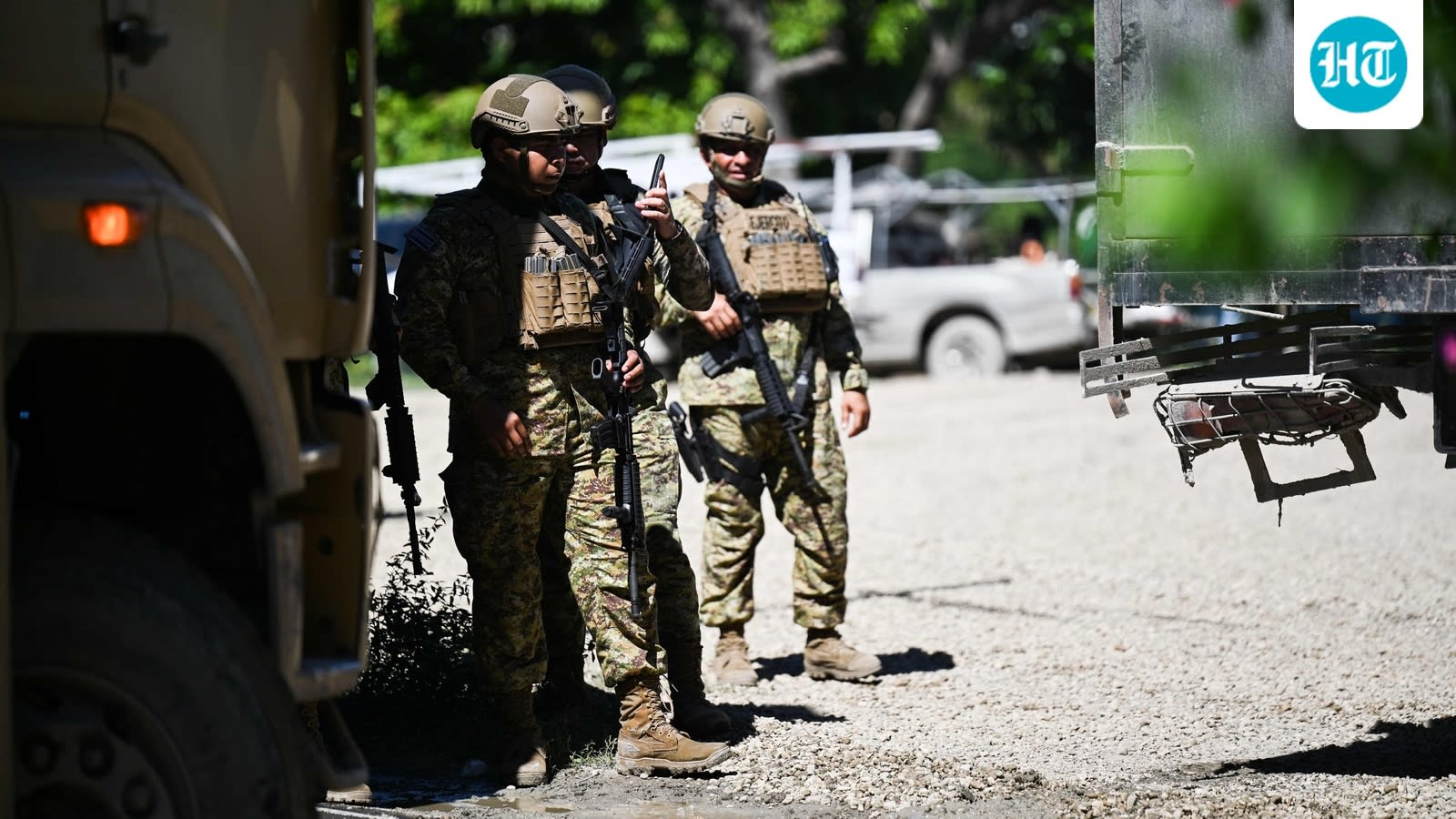
El Salvador’s President Nayib Bukele has deployed 2,000 troops to Haiti to address the severe gang violence that has destabilized the nation since 2021. This move follows his controversial but domestically popular 'mega-prison' approach to crime reduction in El Salvador.
The Intervention in Port-au-Prince: Bukele’s Global Ambition
Haiti has been trapped in a cycle of profound instability since the 2021 assassination of President Jovenel Moïse. The resulting power vacuum has allowed criminal gangs to seize control of the majority of Port-au-Prince and surrounding regions, creating a humanitarian catastrophe. With at least 16,000 deaths and 1.5 million people displaced, the state has effectively collapsed, leaving the international community searching for viable solutions to restore order.
The Bukele Model: Exporting 'Mano Dura'
President Nayib Bukele of El Salvador has positioned himself as a unique figure in international security politics. Having achieved significant reductions in crime rates through his 'mega-prison' strategy—which involves mass incarcerations and the suspension of certain due process rights—Bukele has cultivated a reputation as a leader who can deliver results where others have failed. His decision to dispatch 2,000 troops to Haiti represents a significant escalation in his political profile, signaling a shift from domestic policy to potential regional security leadership.
Challenges of the Haitian Context
Unlike El Salvador, where Bukele exercised total control over the state apparatus, Haiti presents a fragmented landscape with entrenched, decentralized gang structures. The scale of the violence and the lack of a functioning central government make this intervention vastly different from the conditions under which Bukele achieved his domestic success. The effectiveness of these 2,000 troops will depend on their ability to navigate a highly volatile environment where local loyalties and gang territories are deeply interwoven with the fabric of society.
Human Rights and Strategic Risks
Bukele’s approach has always been a lightning rod for criticism. While his policies have led to safer streets for many Salvadorans, international human rights organizations have consistently flagged the lack of due process and the mass detention of individuals as a violation of fundamental rights. Applying this 'security-first' model to Haiti risks ignoring the underlying socioeconomic factors that fuel gang recruitment, potentially leading to short-term gains that fail to address the long-term systemic rot within the Haitian state.
Future Implications for Regional Security
If the deployment succeeds in suppressing gang activity, it could redefine how Latin American nations handle transnational security threats, potentially creating a precedent for 'security outsourcing' between nations. However, if the mission falters, it could expose the limitations of the Bukele model when applied to complex, failed-state scenarios. The international community will be watching closely to see if this militarized approach serves as a stabilizer or if it exacerbates the existing tensions in an already fragile nation.
Verification Required?