Burnham to announce plans for new North Sea oil and gas drilling
Source Entity
BBC News
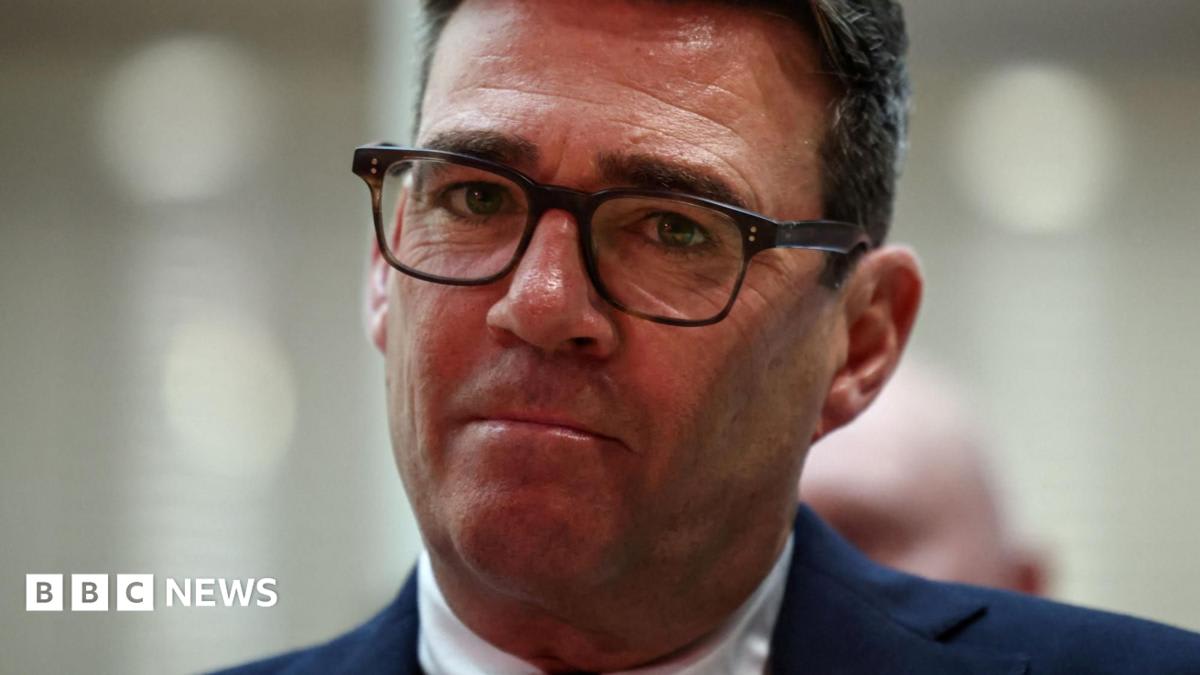
Prime Minister Andy Burnham is set to announce new North Sea oil and gas drilling plans, marking a significant policy shift from Labour's 2024 manifesto. This move aims to address ongoing controversies surrounding energy security and the legal status of disputed fields like Rosebank and Jackdaw.
The Shift in Labour's Energy Strategy
Prime Minister Andy Burnham is poised to announce a significant pivot in the United Kingdom's energy policy, signaling intent to authorize new oil and gas drilling in the North Sea. This move represents a marked departure from the commitments outlined in the Labour Party's 2024 manifesto, which explicitly pledged to withhold new licensing rounds while maintaining existing agreements. As Burnham transitions into his leadership, this decision underscores the immense pressure to balance economic stability with the party's previous environmental and transition-focused platform.
The Legacy of Rosebank and Jackdaw
Central to this policy shift is the unresolved status of the Rosebank and Jackdaw oil fields in Scotland. These projects, which were originally sanctioned by the Conservative government between 2022 and 2023, have become focal points for legal and environmental scrutiny. Following their legal overturning in 2025, these fields have remained in a state of limbo. By revisiting these specific assets, the new government is attempting to navigate the complex intersection of regulatory compliance, energy independence, and the ongoing public debate regarding the necessity of domestic fossil fuel production.
Broader Economic and Public Policy Implications
Burnham’s announcement is not an isolated policy decision but part of a wider legislative package aimed at reshaping the British infrastructure landscape. Alongside the North Sea developments, the administration is preparing to introduce measures to bring water and energy companies under public control, as well as launching a new council house-building programme. This holistic approach suggests a government attempting to exert greater state influence over essential services, framing energy extraction as a pillar of a broader economic recovery and public service reform strategy.
Reconciling Manifesto Pledges with Governance
The decision to pursue new drilling raises critical questions regarding the consistency of the Labour Party’s political identity. Having campaigned on a platform that prioritized a transition away from new fossil fuel licenses, the leadership now faces the challenge of justifying this reversal to stakeholders. The tension between the 2024 manifesto pledges and the current economic reality highlights the volatile nature of energy policy, where global market demands and national security imperatives often override ideological campaign commitments.
Future Trends and Energy Security
As the administration moves forward, the focus will likely remain on how effectively they can integrate these new drilling plans with the nation’s long-term climate goals. The North Sea debate acts as a microcosm for the global struggle of energy-rich nations attempting to move toward net-zero while ensuring that energy prices and supply remain stable for the public. The success of Burnham’s tenure may well be defined by his ability to reconcile these disparate interests, ensuring that the push for new energy capacity does not permanently alienate the party’s base or undermine its commitment to environmental sustainability.