Tesla Sales In China Continue Negative Streak; Exports Reach Key Level
Source Entity
Yahoo Finance
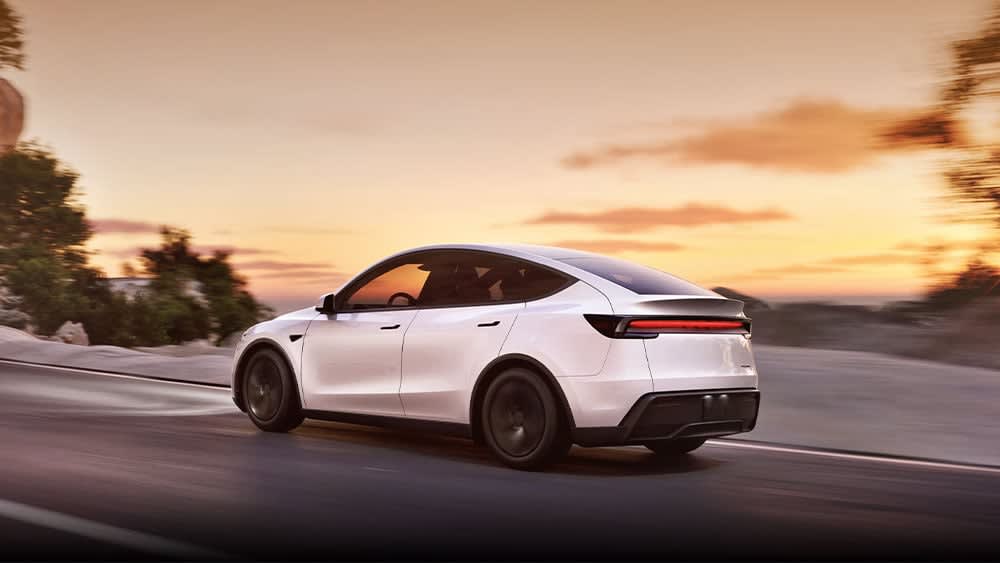
BYD is aggressively expanding its global footprint with a 2027 export target of 2.5 million vehicles, while Tesla faces ongoing retail sales pressure in the Chinese market. These contrasting trends underscore a shifting power dynamic in the global electric vehicle industry.
The Shifting Landscape of Global EV Dominance
Recent reports highlight a significant divergence in the electric vehicle (EV) sector as Chinese manufacturer BYD sets ambitious international growth targets while Tesla grapples with slowing retail demand within China. According to brokerage reports, BYD management has projected overseas shipments to exceed 2.5 million vehicles by 2027, signaling a strategic pivot toward global market capture that transcends its domestic success.
BYD’s Scaling Strategy: Logistics and Localization
The ambition behind BYD’s export goals is supported by a multifaceted operational strategy. As noted by Deutsche Bank, this growth is underpinned by three primary pillars: increasing global market share, the development of a dedicated fleet of car carriers to bypass logistical bottlenecks, and a localized manufacturing footprint. By establishing production facilities, such as the upcoming plant in Hungary, BYD is effectively mitigating the risks associated with international trade barriers and shipping costs.
The Impact of Supply Chain Constraints
Management insights from BYD suggest that 2024 export volumes could have been even higher if not for specific shipping constraints. By guiding for 1.9 million to 2 million overseas shipments in 2026—a near-doubling of the previous year's figures—the company is clearly prioritizing the expansion of its transport capacity. This logistical foresight is essential for maintaining momentum in competitive overseas markets where timely delivery is a critical competitive advantage.
Tesla’s Domestic Challenges in China
Conversely, Tesla is experiencing a challenging period in the Chinese market. Data from the China Passenger Car Association indicates a 12% decline in Tesla's retail sales for August, marking the third consecutive month of negative performance. Despite a month-over-month recovery from July figures, the persistent year-over-year decline reflects an increasingly saturated and competitive environment where domestic brands are gaining significant traction.
Market Implications and Future Outlook
The contrast between BYD’s aggressive export-led growth and Tesla’s domestic retail struggles illustrates the evolving maturity of the EV market. While Tesla continues to be a global leader, the rise of vertically integrated manufacturers like BYD, which control everything from battery production to specialized shipping vessels, is reshaping the competitive landscape. Investors and industry analysts are watching these trends closely, as they suggest that the next phase of the EV transition will be defined by international distribution capabilities rather than just brand prestige.
Concluding Perspectives
In summary, the trajectory for BYD appears to be one of rapid internationalization, provided they can successfully navigate the logistical and regulatory complexities of global trade. Meanwhile, Tesla’s need to address its retail performance in China will remain a key focus for market observers. The coming years will reveal whether BYD can sustain its growth as it scales its global supply chain, and how established players like Tesla will respond to the intensifying pressure from home-grown Chinese competitors.