Delhi protests: Traders body consider approaching govt, courts over business disruptions
Source Entity
TRISHA MAHAJAN
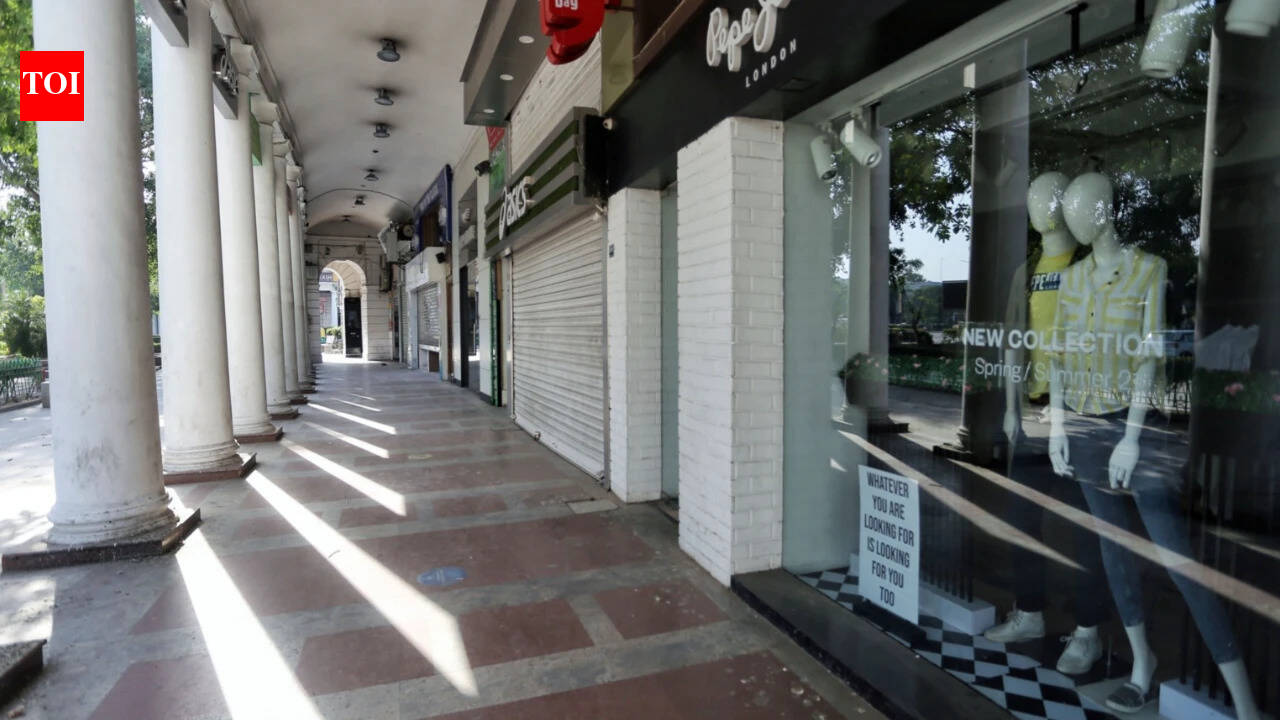
The Confederation of All India Traders (CAIT) is convening on November 13 to address economic losses caused by frequent political protests in commercial hubs. The organization plans to lobby the government and potentially the courts to shift demonstrations to designated areas on city outskirts.
Economic Impact of Political Agitation in India
The Confederation of All India Traders (CAIT), spearheaded by BJP lawmaker Praveen Khandelwal, has announced a pivotal national meeting scheduled for November 13. The primary agenda involves addressing the recurring disruptions to commercial activity caused by political protests, particularly in Delhi. Traders argue that the current trend of holding demonstrations in central urban locations causes significant financial losses, threatening the stability of local businesses and, by extension, the broader national economy.
The Proposal for Designated Protest Zones
At the core of CAIT's proposal is the demand to move protest sites to the outskirts of major cities. Praveen Khandelwal has emphasized that while the right to protest is a fundamental democratic principle, it must be balanced against the rights of business owners to operate without obstruction. By designating specific areas for demonstrations, the traders' body hopes to minimize the collateral damage inflicted on the retail and commercial sectors during periods of political unrest.
Escalating Tensions and Recent Disruptions
The urgency of this meeting stems from a series of high-profile protests in the capital, including the recent INDIA bloc rally at Ramlila Maidan and other demonstrations involving groups like the Cockroach Janta Party (CJP). These events, which have included scuffles with security personnel and widespread closures, have brought the issue of public order versus economic continuity to the forefront of national discourse. Traders report that the cumulative effect of these disruptions over the past month has resulted in substantial revenue shortfalls.
Broader Regulatory and Legal Implications
Beyond merely discussing the problem, CAIT is preparing a strategic roadmap to seek government intervention and, if necessary, legal recourse. The organization plans to consult with representatives from trade bodies across India to ensure a unified approach. This legal challenge could set a significant precedent regarding the 'right to assemble' versus the 'right to trade,' potentially prompting courts to define the reasonable restrictions that can be placed on public protests in densely populated commercial zones.
A Multifaceted Agenda: Beyond Protests
While the issue of protest-related disruption remains the headline, the November 13 meeting will also address several other critical challenges facing the Indian trading community. The agenda includes discussions on GST compliance, which remains a complex hurdle for small businesses, and the growing threat of cyber fraud. By bundling these issues together, CAIT aims to position itself as a comprehensive advocate for economic stability, arguing that a secure and predictable environment is essential for the growth of India’s retail sector.
Future Outlook and Conclusion
The outcome of the November 13 meeting will likely influence how urban governance handles the intersection of political expression and commercial life in India. If CAIT succeeds in pushing for designated protest zones, it could lead to a permanent shift in urban planning and police policy regarding crowd control. Conversely, the move is likely to face pushback from political opposition groups who view central city locations as essential for the visibility of their causes. Ultimately, the situation highlights an evolving tension in India's rapid urbanization, where the demands of a growing economy are increasingly clashing with the traditional methods of political dissent.