Taking calcium supplements? Urologist Dr Pradeep Prakash explains whether they really cause kidney stones
Source Entity
Latest News: Today's Latest News Headlines from India & World | Hindustan Times | Hindustan Times
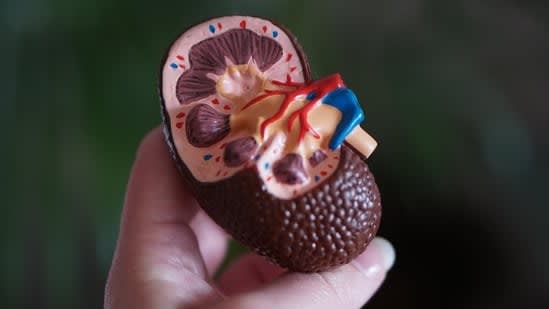
Urologist Dr. Pradeep Prakash clarifies that calcium supplements do not inherently cause kidney stones. He emphasizes that oxalate, not calcium, is the primary driver of stone formation and highlights the importance of supplementation for bone health.
Debunking the Calcium-Kidney Stone Myth
There is a persistent medical misconception that has long deterred patients from maintaining essential bone health regimens. Many individuals, fearing the development of kidney stones, voluntarily opt out of calcium supplementation. However, according to Dr. Pradeep Prakash, Director of Urology, Uro-Oncology, and Robotic Surgery at Yashoda Hospital, Nehru Nagar, this fear is largely unfounded and often leads to patients neglecting necessary nutritional support.
The Chemistry of Kidney Stones
To understand why this myth persists, one must look at the composition of the most common type of kidney stone: calcium oxalate. While the name suggests that calcium is the primary culprit, medical consensus—as articulated by Dr. Prakash—points to oxalate as the actual driver of stone formation. When calcium and oxalate bind in the digestive tract, they are typically excreted safely. The issue arises when there is insufficient calcium to bind with oxalate in the gut, leading to higher levels of oxalate in the urine, which then crystallizes into stones.
The Necessity of Supplementation
Dr. Prakash emphasizes that avoiding calcium can be detrimental to long-term health, particularly for high-risk demographics. Women over the age of 45 are especially susceptible to osteoporosis due to accelerated bone density loss, making adequate calcium intake a physiological necessity rather than an elective choice. Similarly, older men face significant risks regarding bone integrity, necessitating a balanced approach to supplementation that prioritizes bone density over the unfounded fear of renal complications.
Addressing the Misconception
In a recent public outreach effort via social media, Dr. Prakash sought to dismantle the stigma surrounding calcium intake. By clarifying that calcium is not the culprit in stone formation, he aims to empower patients to continue their prescribed health regimens without the anxiety of potential side effects. This shift in perspective is crucial for preventing the long-term systemic consequences of untreated osteoporosis.
Future Trends in Preventative Urology
As medical communication evolves, the role of experts like Dr. Prakash in correcting health myths becomes increasingly vital. The future of preventative care lies in educating patients on the nuanced interactions between dietary minerals and metabolic health. By focusing on the role of oxalates and overall metabolic balance, patients can better manage their bone health while simultaneously reducing their risk of kidney stones, moving away from restrictive, fear-based dieting toward science-backed, personalized nutrition.
Verification Required?