‘Protest not offence because it displeases authorities’: Calcutta High Court quashes FIR
Source Entity
Somya Panwar
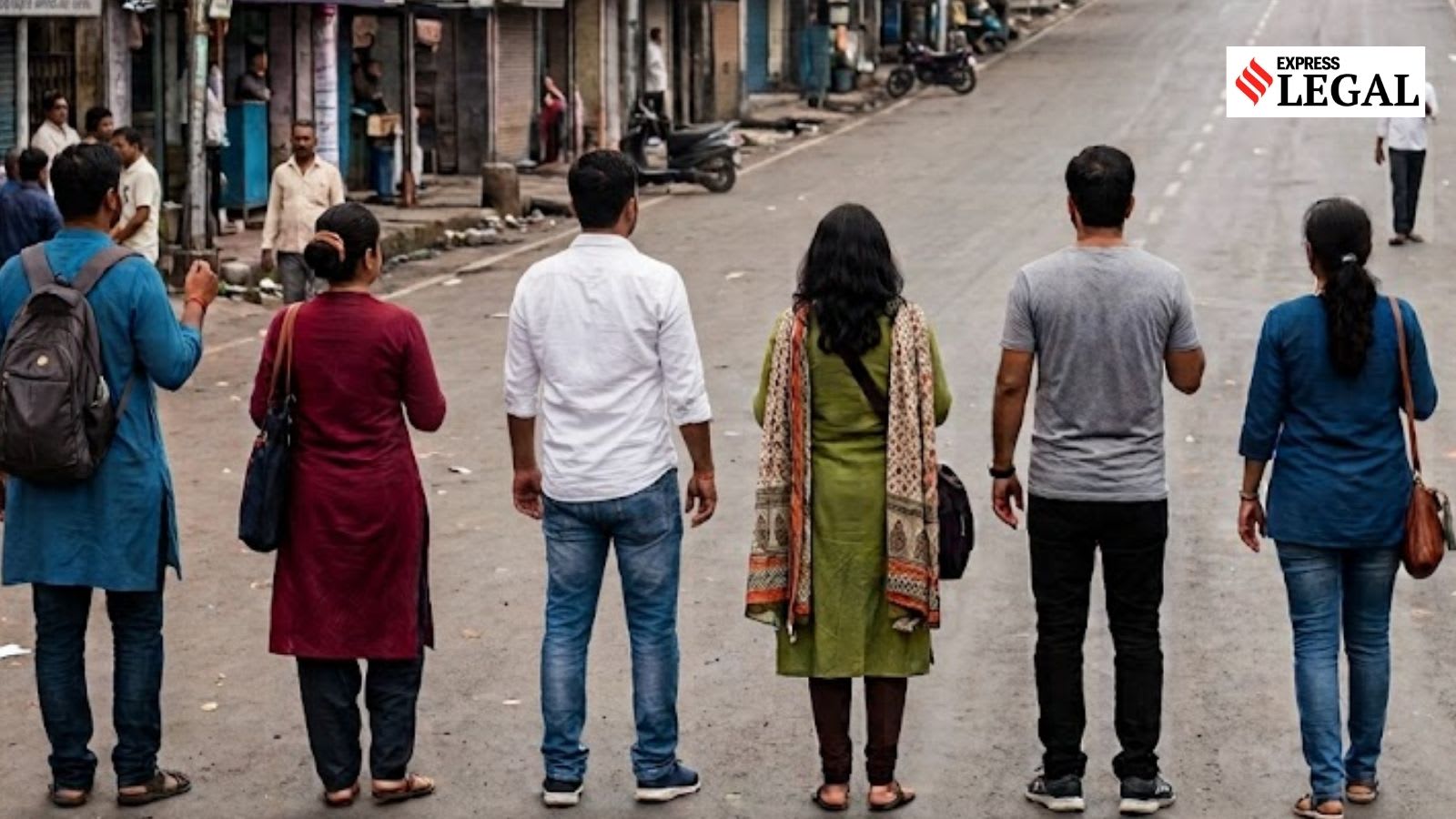
The Calcutta High Court has protected democratic protest rights by quashing FIRs against SSC candidates, while legal battles continue regarding the economic impact of protests in Delhi. Meanwhile, former minister Sujit Bose remains in custody following the rejection of his bail plea in a recruitment fraud case.
Judicial Intervention and the Right to Dissent
The recent ruling by the Calcutta High Court, which quashed criminal proceedings against six School Service Commission (SSC) candidates, serves as a vital affirmation of the democratic right to protest. By observing that a demonstration does not become an offence simply because it displeases authorities, Justice Anuj Singh has reinforced the principle that the state cannot use criminal law as a tool to suppress grievances. This decision highlights the judiciary's role in checking the abuse of the legal process when FIRs are filed against citizens for exercising their fundamental rights, particularly in the context of alleged recruitment irregularities.
The Intersection of Public Order and Economic Impact
While the courts are upholding the right to protest, they are simultaneously grappling with the logistical challenges such protests create for public infrastructure. In Delhi, traders and lawyers have approached the High Court, citing a staggering Rs 2,000 crore loss attributed to protest-related barricades and site restrictions. This conflict underscores a growing tension between the right to assemble and the economic rights of business owners who operate near designated protest zones. The call for a Standard Operating Procedure (SOP) suggests that the judiciary must now balance public order with the necessity of maintaining economic activity.
Legal Accountability in Recruitment Scams
Separately, the legal landscape in West Bengal is marked by high-stakes accountability in administrative corruption. The denial of bail to former minister Sujit Bose in the Enforcement Directorate’s recruitment fraud case reflects the judiciary's strict stance on malfeasance within municipal employment processes. Accused of illegally recommending 150 candidates, Bose’s continued detention highlights the systemic nature of the recruitment controversies currently under investigation in the state.
Broader Implications for Governance
The simultaneous occurrence of these legal developments suggests a period of significant judicial oversight in India. Whether it is protecting the voices of SSC candidates or ensuring that political figures are held accountable for recruitment fraud, the courts are acting as the primary arbiters of administrative fairness. The focus on 'ends of justice' in the Calcutta High Court's recent orders signals that the judiciary is increasingly vigilant against both the weaponization of state power against protesters and the corruption of public service recruitment.
Future Trends and Judicial Precedents
Looking ahead, these cases set important precedents. The insistence on an SOP for protest sites in Delhi may eventually lead to a more regulated, yet protected, environment for public dissent, potentially reducing the economic burden on traders. Meanwhile, the consistent denial of bail in high-profile recruitment scams suggests that the legal system is prioritizing the integrity of public institutions over the political status of the accused. As these trends continue, the judiciary will likely remain the central figure in navigating the complex relationship between citizen activism, economic stability, and official accountability.