Can a 5-minute memory test detect Alzheimer’s? Neurologist shares what it can and cannot reveal
Source Entity
Latest News: Todays Latest News Headlines from India & World | Hindustan Times | Hindustan Times
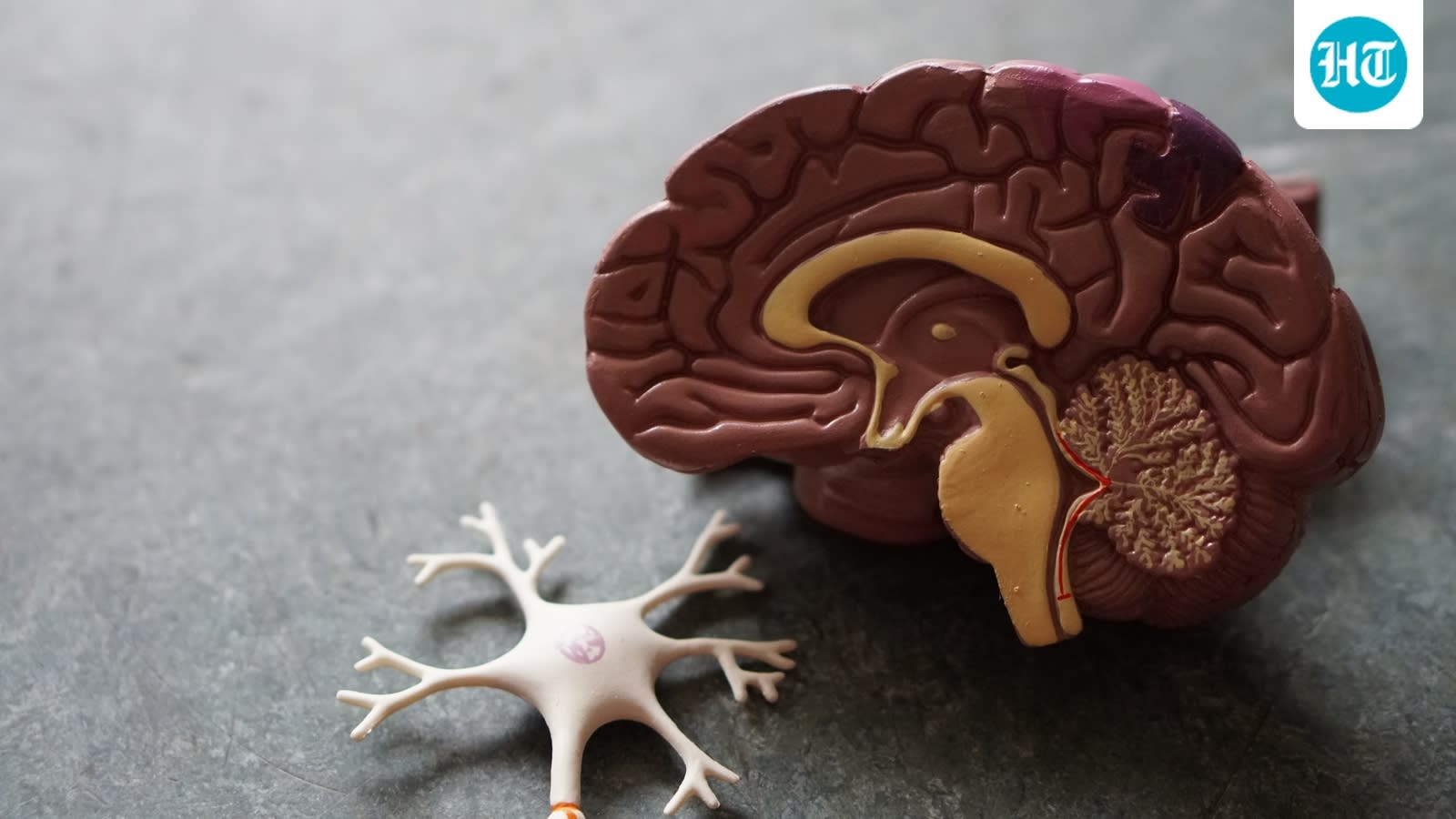
Short memory tests are useful screening tools for cognitive decline but cannot definitively diagnose Alzheimer's. A comprehensive clinical evaluation is required to confirm the disease and rule out treatable conditions.
The Role and Limitations of Brief Cognitive Screening
As the global population ages, the prevalence of neurodegenerative conditions like Alzheimer’s has moved to the forefront of public health discourse. Among the various tools utilized to monitor cognitive health, the 'five-minute memory test' has gained significant traction online. While these brief assessments are designed to identify potential warning signs by targeting brain regions critical to memory, they are often misunderstood by the general public as diagnostic gold standards.
Understanding the Scope of Brief Tests
According to Dr. Abhishek Dixit, a neurologist at Paras Health, Gurugram, it is essential to distinguish between a screening tool and a diagnostic procedure. These five-minute tests serve as a preliminary mechanism to detect potential cognitive impairment; however, they lack the granularity to provide a definitive clinical diagnosis. Because Alzheimer’s is a progressive disease, a snapshot assessment cannot capture the nuances of its development or the complex underlying pathology of the brain.
Why Results Can Be Misleading
One of the primary dangers of relying solely on online or abbreviated memory tests is the risk of false positives or negatives. Cognitive decline is not synonymous with Alzheimer’s disease. Numerous factors—including vitamin deficiencies, thyroid dysfunction, depression, or even chronic stress—can manifest as memory lapses. When patients use these brief tests without professional supervision, they may misinterpret transient issues as signs of irreversible neurodegeneration, or conversely, overlook genuine symptoms that require urgent medical attention.
The Necessity of Comprehensive Diagnosis
Dr. Dixit emphasizes that a comprehensive Alzheimer's diagnosis is a multi-layered process. It necessitates a thorough clinical history, neurological examinations, cognitive testing conducted by specialists, and potentially neuroimaging or biomarker analysis. These steps are designed to rule out treatable conditions that mimic the symptoms of dementia, ensuring that patients receive the correct intervention rather than assuming a diagnosis based on a brief, non-validated test.
Future Trends and Proactive Brain Health
While early detection remains a priority, the future of brain health lies in shifting the focus from reactive testing to proactive lifestyle management. Experts consistently underscore that building cognitive resilience through everyday habits is as vital as monitoring for decline. As medical understanding evolves, the integration of digital health tools will likely improve, but they will remain supplementary to, rather than a replacement for, human clinical expertise in diagnosing complex neurological disorders.
Verification Required?