Canada’s ambassador warns Trump tariffs are driving up costs, threatening U.S. investment
Source Entity
US Top News and Analysis
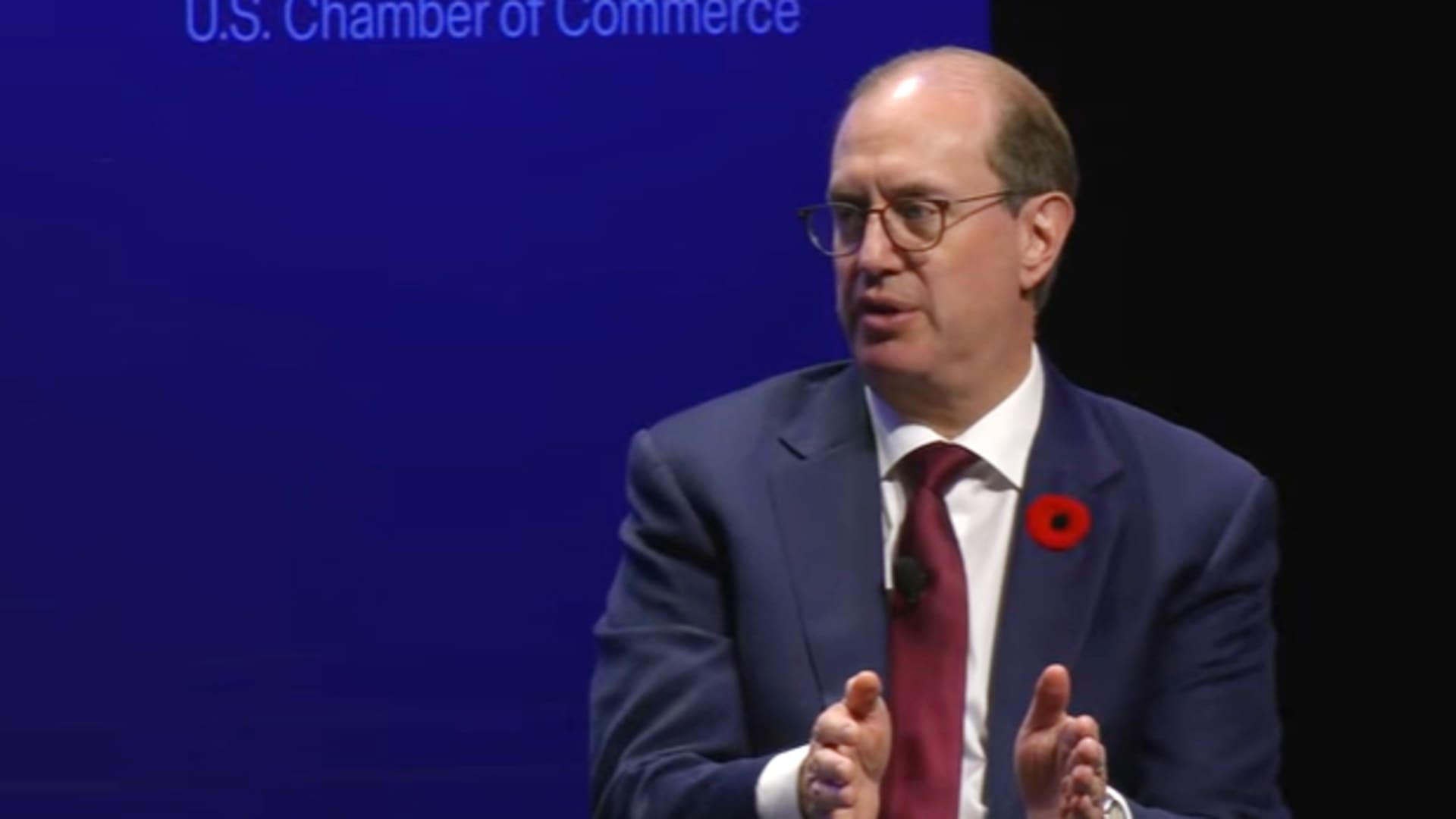
Canada’s ambassador to the U.S., Mark Wiseman, has warned that ongoing tariff policies are inflating investment costs and stifling business expansion. This uncertainty poses significant risks to the U.S.-Canada trade relationship and suggests potential price hikes for American consumers.
The Economic Ripple Effects of U.S.-Canada Tariff Tensions
Recent statements from Canada’s ambassador to the United States, Mark Wiseman, have brought the complex issue of trade protectionism to the forefront of the global economic discourse. Speaking at the B20 summit in Washington, D.C., on November 11, 2026, Wiseman highlighted a critical reality: the current tariff regime implemented by the Trump administration is exerting tangible downward pressure on cross-border investment and business growth.
The Cost of Uncertainty in Capital Markets
At the heart of Ambassador Wiseman's argument is the fundamental economic principle that uncertainty functions as a tax on innovation. As a former BlackRock executive, Wiseman is uniquely positioned to speak on how capital allocation is influenced by political volatility. He noted that when businesses face unpredictable trade barriers, the cost of capital inevitably rises. This atmosphere discourages long-term commitments such as building new manufacturing plants, expanding logistics fleets, or investing in research and development—activities that are essential for sustained economic health.
Implications for the American Consumer
Beyond the boardroom, these trade tensions have direct consequences for the average American household. The ambassador’s warnings align with recent research from the Federal Reserve, which indicates that the ripple effects of these tariffs are likely to manifest as increased consumer prices throughout the coming year. By disrupting supply chains and inflating the cost of imported components, the current trade policy creates a localized inflationary environment that may prove difficult to mitigate in the short term.
The B20 Summit and Global Trade Relations
The setting of these remarks—the B20 summit hosted by the U.S. Chamber of Commerce—underscores the international concern regarding these developments. As global business leaders convene to discuss the future of the economy, the U.S.-Canada trade corridor remains a focal point of stability versus friction. The ongoing negotiations between the two nations are becoming increasingly complicated as the structural impact of these tariffs forces companies to re-evaluate their North American operational strategies.
Future Trends and Strategic Outlook
Looking ahead, the trajectory of U.S.-Canada economic relations appears precarious. If the current tariff strategy persists, we can expect a continued shift in corporate behavior, characterized by defensive investment strategies rather than aggressive expansion. The long-term risk is not merely the immediate cost of goods, but a potential stagnation in industrial productivity across North America. Policymakers must now weigh the political objectives of protectionism against the stark reality of rising capital costs and the potential for a cooling effect on cross-border collaboration.