Why Canada is preparing for a (long shot) US invasion
Source Entity
BBC News
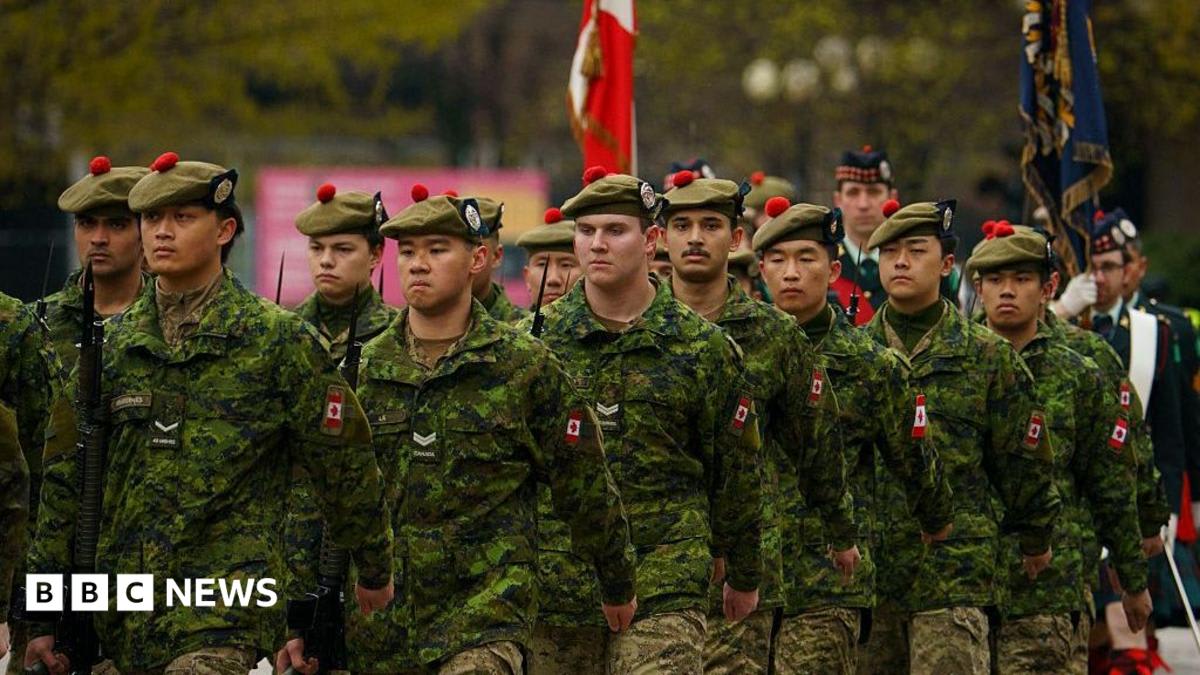
Prime Minister Mark Carney has initiated military scenario planning regarding a potential US invasion of Canada. While considered a low-probability event, the move reflects deep-seated anxieties over shifting global alliances and the future of the US-Canada partnership.
The Geopolitical Shift: Canada’s Strategic Re-evaluation
Recent reports indicate that Canadian Prime Minister Mark Carney has directed the military to conduct scenario planning for a potential United States invasion. While such a scenario remains statistically improbable, the very existence of these exercises marks a profound shift in the North American security paradigm. Historically, the US-Canada relationship has been defined by an unparalleled level of integration, characterized by the NORAD defense agreement and deep economic interdependence. The current shift toward contingency planning suggests a growing apprehension regarding the stability of American political rhetoric.
The Impact of Political Rhetoric
The necessity for this planning appears to stem from high-level political discourse, including comments regarding the potential annexation of Canada as the '51st state.' While many American observers dismiss these statements as hyperbole or political theater, experts like Matthew Schmidt of the University of New Haven note that Canadian officials are treating these threats with a higher degree of gravity. This disconnect in perception highlights a widening gap between how the two nations view the sanctity of their sovereign borders in an increasingly volatile global climate.
Intelligence and the Dilemma of Partnership
A critical component of this tension involves the depth of the existing military partnership. Canada currently relies on the US for a significant portion of its strategic information. However, this reliance creates a complex paradox: the same intelligence-sharing apparatus that bolsters Canadian security also provides the US with intimate knowledge of Canadian vulnerabilities. Canadian leadership is now facing difficult questions regarding whether this degree of proximity is sustainable if the bilateral relationship continues to face systemic strain.
Reassessing the Global Order
Professor Schmidt emphasizes that these preparations are symptomatic of a broader decay in the established global order. For decades, the Canada-US border was considered the most secure and peaceful in the world, requiring minimal military oversight. The move to shift resources toward defensive planning indicates that Canadian officials no longer view the status quo as a permanent guarantee. This proactive approach is a signal to both domestic and international audiences that Canada is prioritizing national sovereignty over traditional diplomatic assumptions.
Future Implications and Strategic Autonomy
Looking forward, this development may force a long-term recalibration of Canadian defense policy. If the 'legitimate fear' mentioned by experts continues to manifest in state policy, we may see Canada seeking greater strategic autonomy, potentially diversifying its defense partnerships to reduce reliance on the US. While a direct conflict between the two nations remains a 'long shot,' the psychological impact of these scenarios will likely influence trade negotiations, intelligence cooperation, and diplomatic protocols for years to come. Ultimately, this situation underscores a new era of unpredictability in North American relations.