Canadian PM calls Trump's fresh tariffs a 'miscalculation' after trade talks collapse
Source Entity
BBC News
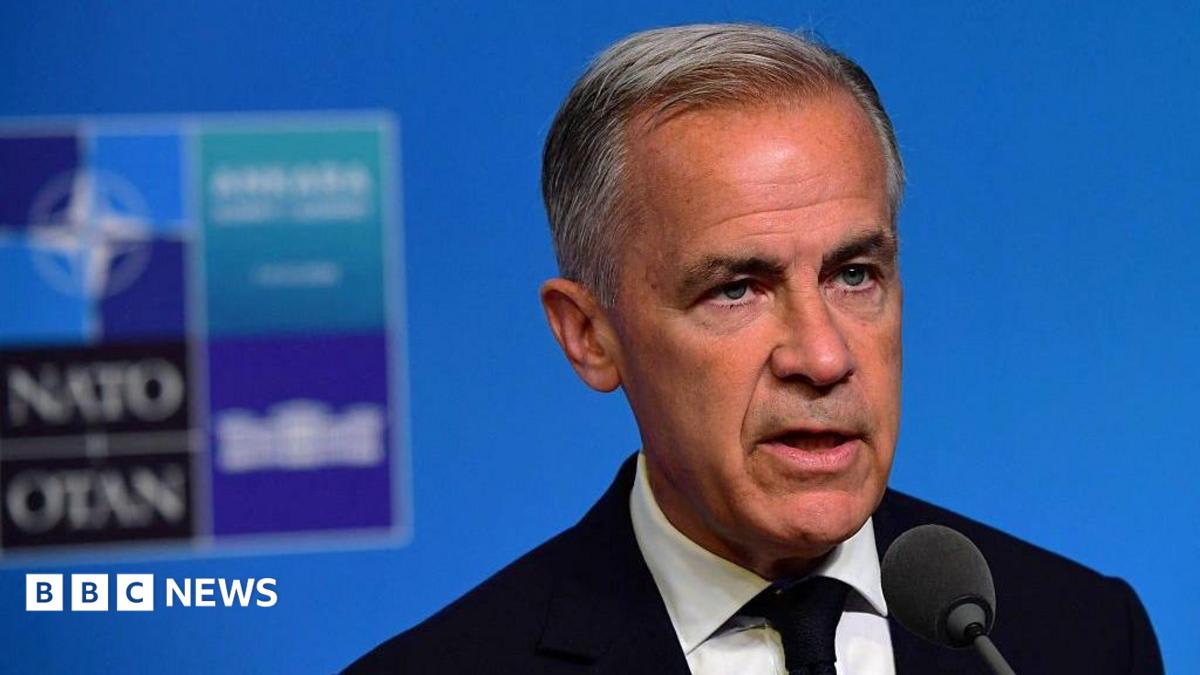
Canadian Prime Minister Mark Carney has announced reciprocal tariffs on US goods after trade negotiations collapsed. The move follows the US imposition of a 50% levy on $20 billion worth of Canadian imports, marking a significant escalation in bilateral trade tensions.
The Collapse of Canada-US Trade Negotiations
The recent breakdown in trade negotiations between the United States and Canada represents a significant shift in North American economic relations. Following intense discussions that began in July, the collapse of talks on Friday night has led to the immediate implementation of a 50% US tariff on $20 billion worth of Canadian imports. This development marks a sharp departure from the optimism that characterized earlier diplomatic efforts, where both nations had signaled they were nearing a comprehensive agreement.
Sovereignty at the Center of the Dispute
Canadian Prime Minister Mark Carney has framed the decision to walk away from the negotiating table as a fundamental defense of national sovereignty. In a public address on Saturday, Carney characterized the US demands as "unfair" and "uneconomic," noting that the late-stage introduction of new terms by the US side undermined the reliability of the entire process. By refusing to compromise on these terms, the Canadian administration has signaled that it is willing to absorb economic friction rather than accept conditions it deems detrimental to its national interests.
The Mechanics of Retaliation
In response to the US levies, which target a wide range of goods including plywood, liquor, electrical equipment, and hockey gear, Prime Minister Carney has pledged a "dollar-for-dollar" retaliation. Scheduled to take effect on September 8, these reciprocal measures will target American steel, dairy, appliances, and electronics. This tit-for-tat strategy is a classic escalation tactic, intended to exert reciprocal pressure on the American economy and force a return to the negotiating table on more balanced terms.
Economic and Diplomatic Implications
The imposition of a 50% levy on $20 billion of goods creates an immediate disruption to long-standing supply chains that have historically integrated the two economies. Because these tariffs affect a diverse array of consumer and industrial products, the ripple effects are expected to be felt by businesses and consumers on both sides of the border. The failure to reach a deal despite months of intense dialogue highlights the deep divide regarding the terms of trade that each nation deems acceptable in the current geopolitical climate.
Looking Toward the Future
As the deadline for the Canadian retaliatory measures approaches, the focus remains on whether diplomatic channels can be reopened. While President Donald Trump has yet to issue a formal comment, the current impasse suggests that the relationship between these two traditional allies is entering a volatile phase. Future trends will likely depend on whether the economic pain caused by these tariffs forces a compromise or if both nations continue to entrench themselves in protectionist policies that prioritize domestic political standing over international trade stability.