Over 50 Killed As Boat Overturns Minute After Starting Journey In Nigeria
Source Entity
NDTV News Search Records Found 1000
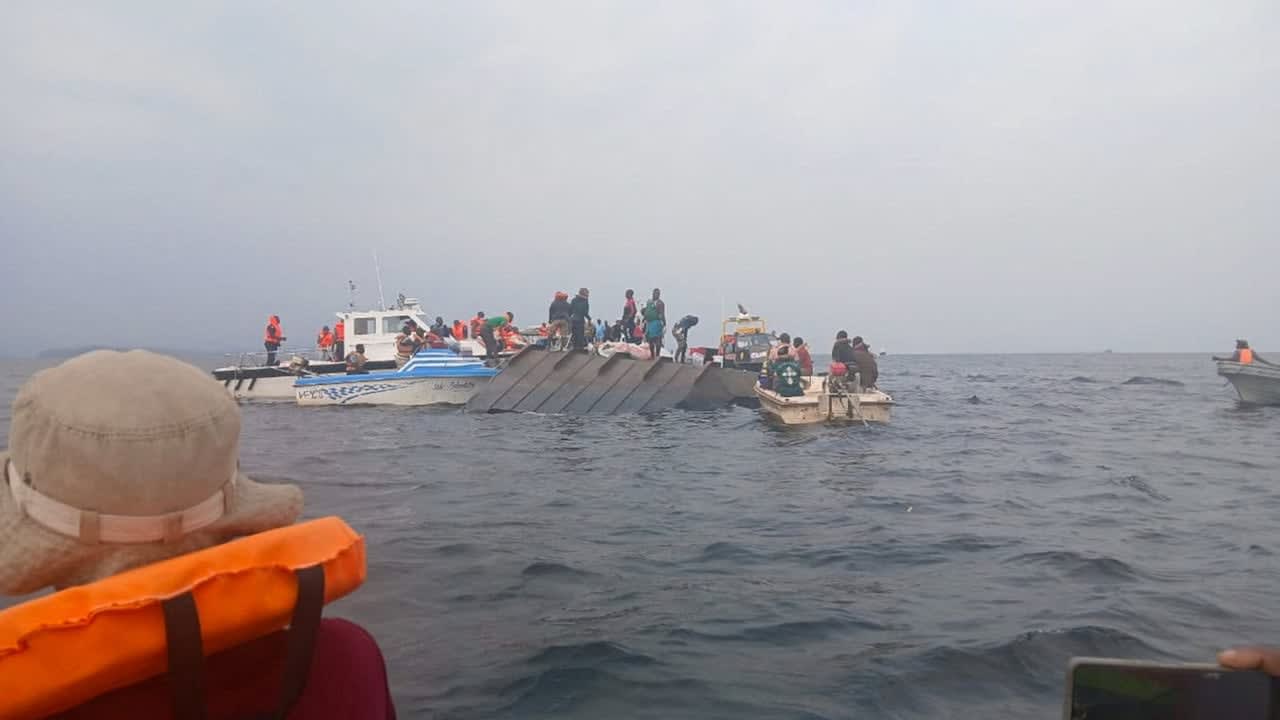
A tragic boat accident in Nigeria has resulted in over 50 fatalities shortly after the vessel departed. This incident highlights the ongoing dangers associated with Nigeria's reliance on river transport and the persistent safety challenges in the region.
Tragedy on Nigerian Waterways: A Critical Infrastructure Failure
A devastating maritime accident in Nigeria has claimed the lives of over 50 individuals, with the tragedy occurring almost immediately after the vessel began its journey. This catastrophic loss of life highlights the severe vulnerabilities inherent in Nigeria's riverine transport systems, which serve as vital lifelines for countless communities that lack access to modernized road networks.
The Recurring Crisis of Maritime Safety
While the immediate cause of this specific capsizing remains under investigation, the frequency of such incidents points to a systemic failure in safety oversight. The fact that this accident occurred within a minute of departure suggests potential issues with vessel stability, overloading, or mechanical failure, all of which are common precursors to maritime disasters in the region. These waterways are frequently used by local populations to navigate vast distances, yet the infrastructure supporting this travel remains largely unregulated.
Socio-Economic Dependence on Inland Waterways
In many parts of Nigeria, rivers are not merely alternative routes but the primary conduits for trade, education, and healthcare access. The reliance on these waterways is born of necessity, as land-based infrastructure is often underdeveloped or inaccessible. When safety protocols are ignored, the economic and social cost to these communities is immense, often resulting in the loss of breadwinners and the disruption of local supply chains that sustain rural economies.
Regulatory Challenges and Historical Context
Historically, Nigeria has struggled to enforce maritime safety regulations across its vast and complex river network. The prevalence of accidents, as noted in reports, indicates that the current framework for vessel inspection and passenger safety is insufficient. Without stringent enforcement of weight limits, mandatory life-vest usage, and regular maintenance checks, these waterways will continue to pose a significant threat to public safety.
Future Implications and Necessary Reforms
Moving forward, the Nigerian government and relevant maritime authorities face urgent pressure to overhaul safety standards. Future trends suggest that as populations grow and reliance on these waterways continues, the risk of mass-casualty events will only increase unless there is a shift toward modernizing vessel fleets and implementing better river traffic management. Ensuring safe passage requires more than just reactive measures; it demands a proactive commitment to infrastructure investment and a culture of safety that prioritizes human life over speed and convenience.
Verification Required?