US Targets Hezbollah With Fresh Sanctions Over Iran Ties
Source Entity
NDTV News Search Records Found 1000
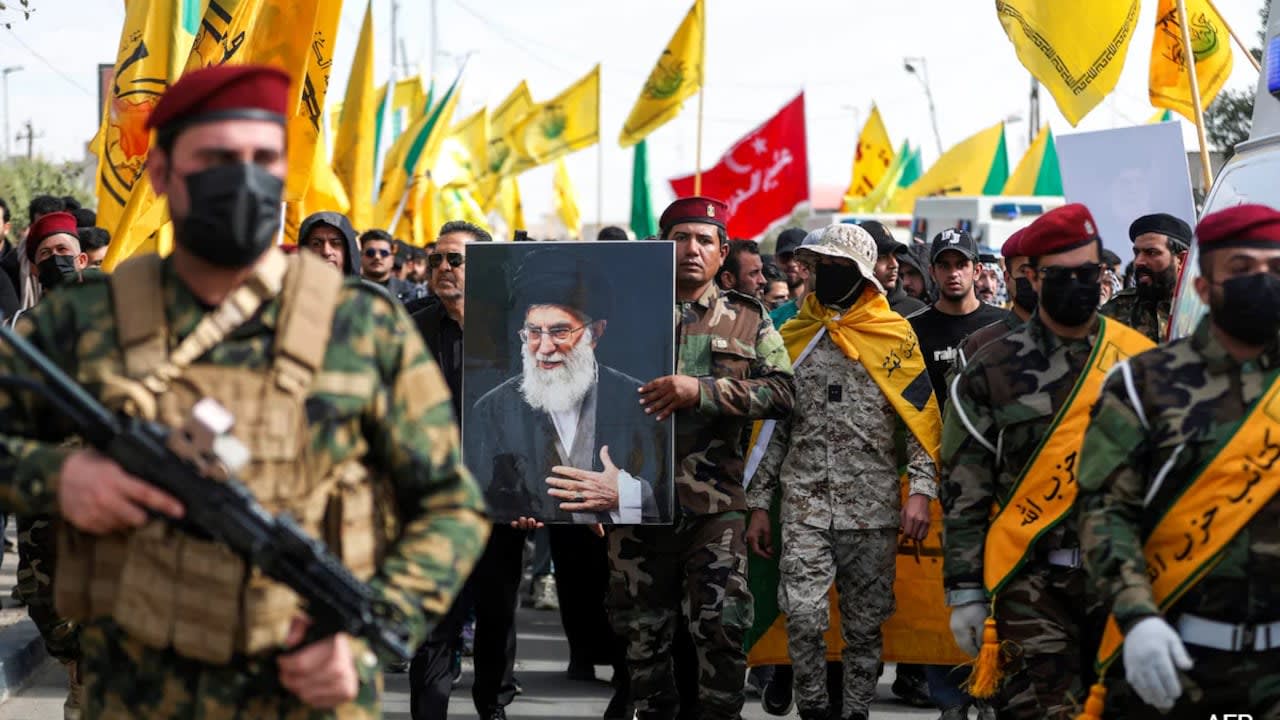
The United States has imposed fresh sanctions on Hezbollah, aiming to highlight and curb the group's operational alignment with Iran. This move serves as a strategic escalation in regional pressure campaigns intended to isolate Iranian-backed proxies.
Strategic Escalation: US Imposes New Sanctions on Hezbollah
The United States has officially initiated a fresh round of sanctions targeting the Lebanese militant group Hezbollah. This regulatory action, framed as a "redesignation," is a calculated maneuver by Washington to formally emphasize the group’s role as an operational extension of the Iranian government. By tightening the financial and political noose around the organization, the US seeks to disrupt the logistical and ideological pipeline that fuels regional instability.
The Iran-Hezbollah Nexus
At the core of this policy is the long-standing assertion that Hezbollah serves as Iran's primary proxy in the Levant. The US government has consistently argued that the group functions not as an independent political actor within Lebanon, but rather as an instrument of Tehran’s regional foreign policy. By focusing on this redesignation, the US is attempting to codify the relationship between the two entities, making it increasingly difficult for international stakeholders to separate Hezbollah’s local political activities from its role as an Iranian surrogate.
Financial and Geopolitical Implications
These sanctions are designed to restrict Hezbollah’s access to the international financial system, targeting the networks that facilitate the movement of funds and resources. Historically, US sanctions have aimed to force a choice upon global financial institutions: either cease dealings with designated entities or risk being cut off from the American dollar market. This pressure is intended to diminish the group’s operational capacity and limit its ability to project power across borders.
Contextualizing the Pressure Campaign
This move occurs within a broader framework of American foreign policy that prioritizes the containment of Iranian influence. Over the past decade, Washington has utilized targeted sanctions as a primary tool to mitigate the threat posed by non-state actors supported by Tehran. By focusing on the specific link between the two parties, the US is signaling a refusal to accept the status quo, where proxies operate with perceived impunity while maintaining clandestine ties to state sponsors.
Future Trends and Regional Stability
Looking forward, the effectiveness of these sanctions will depend on the willingness of international partners to enforce similar restrictions. As Washington deepens its scrutiny of Hezbollah, the region is likely to see a hardening of positions. While sanctions rarely result in immediate behavioral changes for deeply entrenched ideological groups, they serve as a vital mechanism for constraining resources and signaling strong diplomatic disapproval of state-sponsored militancy.
Conclusion
The latest US sanctions represent a targeted effort to dismantle the operational synergy between Hezbollah and Iran. By formally redesignating the group, the US is reinforcing its strategic commitment to curbing Iranian regional influence. This policy highlights the ongoing struggle to isolate proxies that threaten the security architecture of the Middle East, setting the stage for continued economic and political pressure in the months to come.
Verification Required?