Weather tracker: More than 900 wildfires rage across Canada
Source Entity
James Michelin for MetDesk
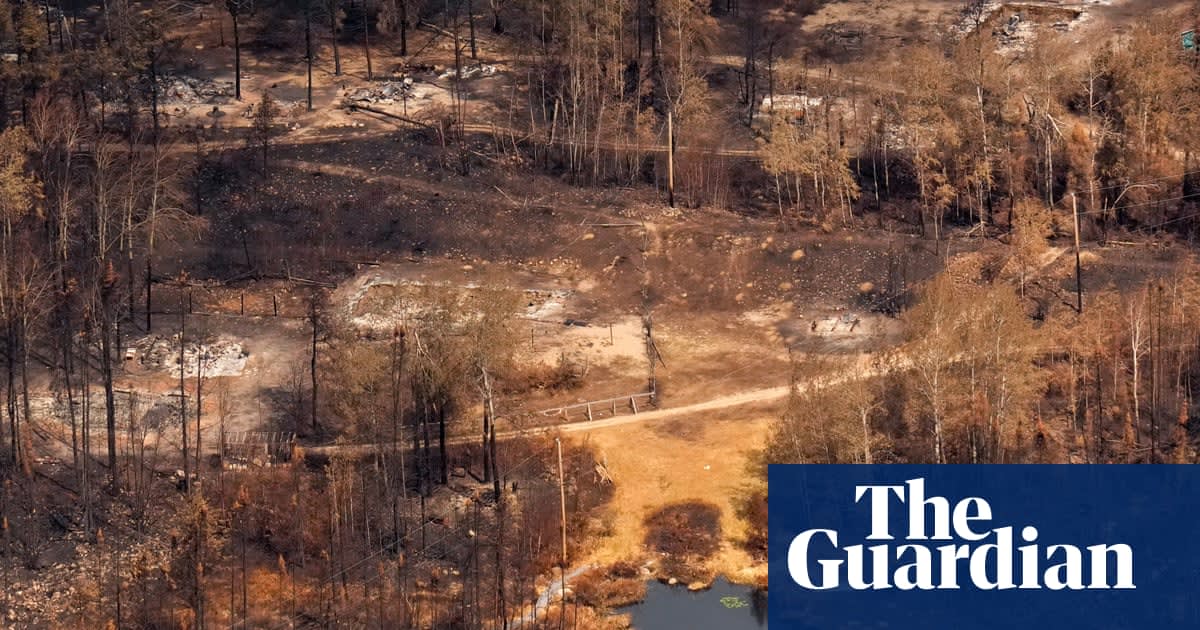
Canada is currently grappling with a record-breaking wildfire season, with over 900 active blazes fueled by extreme heat and thousands of lightning strikes. The environmental impact is widespread, causing poor air quality that has reached the US and Europe, while unprecedented heat records in Argentina highlight global climate instability.
Canada's Unprecedented Wildfire Crisis
Canada is currently facing one of the most intense wildfire seasons on record, with over 900 active blazes scorching approximately 3 million hectares of land. The situation, described by officials as a critical national emergency, is being driven by a combination of persistent hot, dry weather and a massive surge in lightning activity. As the country hits the peak of its fire season, the scale of destruction is testing the limits of emergency response and firefighting infrastructure.
The Role of Extreme Weather and Lightning
The intensity of the current fire season has been significantly exacerbated by atmospheric instability. In western Canada, specifically British Columbia, nearly 34,000 lightning strikes recorded in a single week served as a catalyst for a fresh wave of fires. These ignition events, coupled with ongoing warming and drying trends, have created a volatile environment where fires can rapidly escalate. Incident commanders, such as Hugh Murdoch in the Kimberley region, have noted that the forecast remains grim, with no immediate natural relief expected to dampen the flames.
Regional Impacts and Evacuations
While the fires are widespread, the Northwest Territories and Ontario remain areas of primary concern, with many blazes currently classified as out of control. The human toll is mounting, with 25 active evacuation orders in place in British Columbia alone. These evacuations reflect the urgent need to protect communities from the encroaching flames, as authorities struggle to contain the fires in regions where the terrain and the sheer volume of incidents make manual suppression exceptionally difficult.
Global Environmental Consequences
The environmental impact of these fires extends far beyond Canadian borders. Wildfire smoke has been caught in high-altitude wind currents, degrading air quality across the United States and traveling as far as northern Europe. This transcontinental movement of smoke highlights the interconnected nature of global atmospheric health and the long-range implications of localized forest fires.
A Broader Climate Context
This crisis is not occurring in a vacuum; it is part of a larger trend of global temperature anomalies. Notably, the city of Salta in Argentina recently recorded its highest-ever overnight minimum temperature of 26C (79F) during its winter season. The combination of Canadian wildfires and anomalous heat records in the Southern Hemisphere underscores a pattern of extreme climate volatility that challenges traditional seasonal expectations.
Future Outlook and Conclusion
Looking ahead, the risk of further blazes remains exceptionally high as North America remains in the heart of its peak fire season. The current situation serves as a stark reminder of the challenges posed by a changing climate, where dry conditions and extreme weather events become more frequent. As Canada continues to battle these fires, the focus remains on containment and the safety of displaced populations, though the long-term prognosis suggests that the intensity of such seasons may become the new standard.