Carlos Alcaraz raced ahead of tennis history in 2025; now injuries are forcing young champion to slow down
Source Entity
Latest News: Todays Latest News Headlines from India & World | Hindustan Times | Hindustan Times
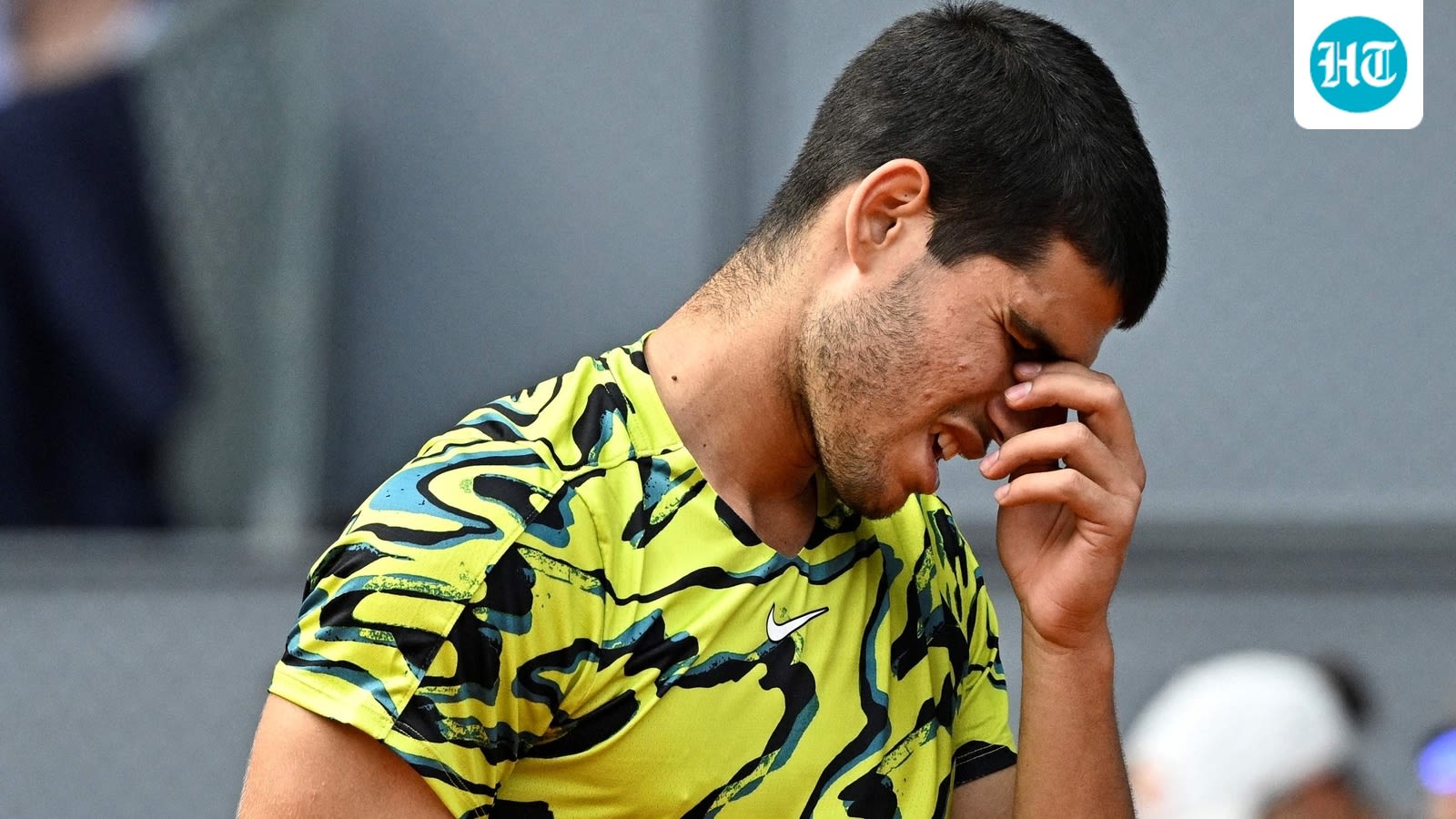
Carlos Alcaraz's meteoric rise in professional tennis has hit a significant roadblock due to persistent physical injuries. His absence from the Cincinnati Open marks a concerning trend that threatens his momentum and long-term dominance on the ATP Tour.
The Physical Toll of a Meteoric Rise
Twelve months ago, the narrative surrounding Carlos Alcaraz was one of inevitable dominance. Having secured a victory over Jannik Sinner in a curtailed Cincinnati final, the then-rising star appeared to be reshaping the landscape of men’s tennis to suit his aggressive, high-energy style. However, the 2025 season has served as a stark reminder of the fragile nature of professional athletic longevity. The transition from a dominant force to a sidelined competitor highlights the grueling physical demands of the modern ATP calendar.
Injuries and the Erosion of Momentum
Currently, Alcaraz faces a significant hurdle: a lingering right-wrist injury that has kept him out of professional competition since April. This is not merely a temporary setback; it is an extended absence that prevents him from defending his title in Cincinnati. In tennis, momentum is often built through consistent participation in high-stakes tournaments. By missing crucial Masters 1000 events, Alcaraz is losing the opportunity to accrue vital ranking points and maintain the rhythm that made him the sport's most feared challenger.
The Challenge of Modern Tennis Conditioning
The sport of tennis has evolved into an increasingly physical game, characterized by longer rallies and higher explosive output. For a player like Alcaraz, whose game relies on exceptional speed, court coverage, and intense shot-making, the body is under constant stress. The current injury cycle raises fundamental questions about his long-term conditioning strategies. While his talent is undeniable, the ability to manage physical health through a packed schedule is the hallmark of the sport’s greatest legends, a challenge he is currently forced to confront.
Historical Context and Future Implications
History in tennis is often written by those who can sustain greatness across multiple seasons without significant physical interruption. While Alcaraz has already achieved a stature that few reach by age 23, his current trajectory is hitting a plateau. The broader implication here is whether this injury is a symptom of a larger wear-and-tear issue or an unfortunate, isolated incident. If he cannot stabilize his physical condition, the dream of total dominance may be compromised by the realities of injury management.
A Path to Recovery and Adaptation
Looking forward, the priority for Alcaraz and his team must shift from aggressive tournament play to long-term physical preservation. The roadmap for his return will likely require a recalibration of his training load and potentially a more selective approach to the ATP schedule. As the sport watches closely, the 23-year-old is no longer just racing against his peers; he is currently racing to restore the structural integrity of his game. The path back to the top of the rankings will require as much patience in the medical room as it does skill on the court.
Verification Required?