84-year-old ‘wildest woman in America’ has lived on island for 53 years
Source Entity
TOI WORLD DESK
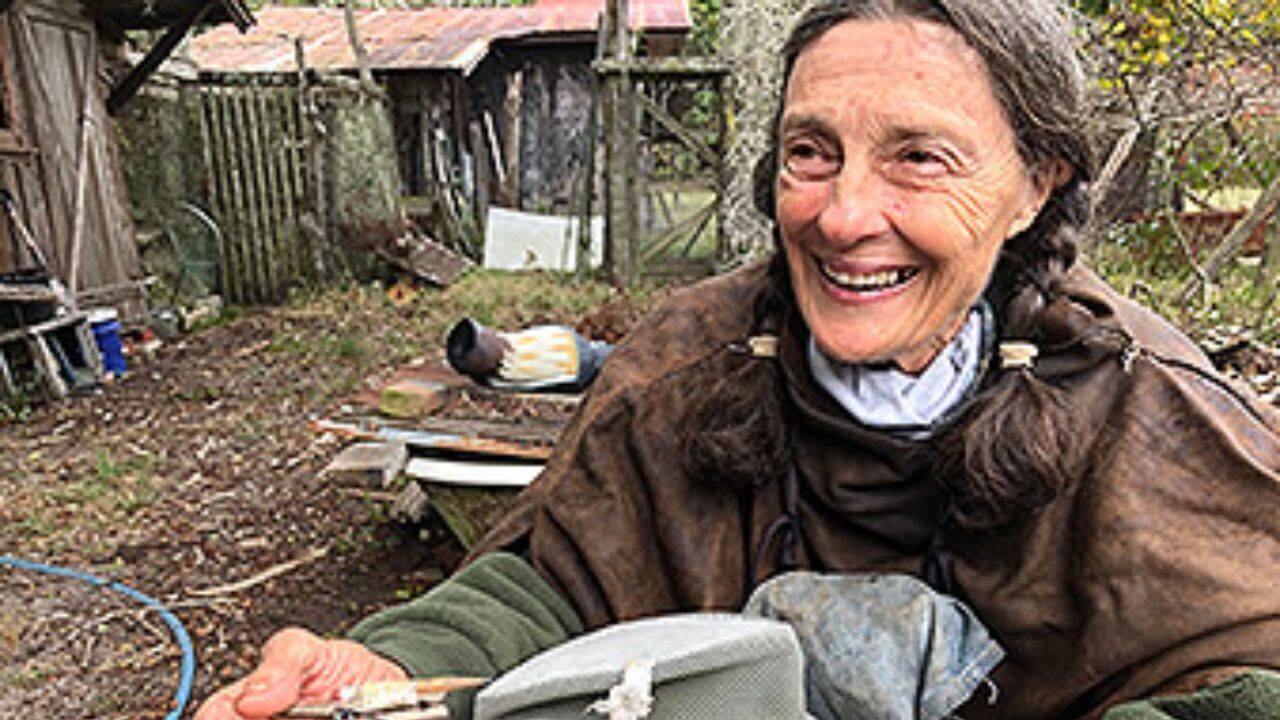
Carol Ruckdeschel, an 84-year-old described as the 'wildest woman in America,' has lived off-grid on Cumberland Island for 53 years, utilizing her detailed field journals and advocacy to secure legislative protections for sea turtles and fight against commercial development.
The Sentinel of the Sands: Analyzing the Legacy of Carol Ruckdeschel
For over five decades, Carol Ruckdeschel has embodied a rare synthesis of rugged individualism and scientific discipline. Living on Cumberland Island for 53 years, Ruckdeschel has transitioned from a mere resident to a primary steward of one of America's most pristine coastal ecosystems. Her life, characterized by an off-grid existence and a deep immersion in the natural world, serves as a profound case study in the impact that a single, dedicated individual can have on environmental policy and biodiversity preservation.
The Power of Citizen Science and Documentation
One of the most critical aspects of Ruckdeschel's tenure on the island is her commitment to meticulous documentation. By maintaining extensive field journals of the island's flora and fauna, she has essentially created a longitudinal biological record of the region. In the realm of ecology, such long-term observational data is invaluable; it allows scientists to track shifts in species migration, population declines, and the subtle impacts of climate change over half a century. Her work exemplifies the power of 'citizen science,' where rigorous personal observation provides the empirical foundation necessary to advocate for systemic change.
Legislative Triumph: Protecting the Sea Turtles
Ruckdeschel's impact extends far beyond the borders of the island through her successful push for legislative reform. The conflict between the shrimping industry and the survival of sea turtles is a classic ecological struggle. By leveraging her first-hand observations of turtle mortality rates caused by shrimping trawlers, Ruckdeschel was able to bridge the gap between raw data and political action. Her advocacy led to specific legislative changes that mandated protections for sea turtles, demonstrating that grassroots environmentalism, when backed by undeniable evidence, can successfully challenge powerful commercial interests.
Off-Grid Survival as a Philosophical Statement
Living off the land at the age of 84 is not merely a survival strategy but a philosophical rejection of modern hyper-connectivity and consumption. By sustaining herself independently, Ruckdeschel minimizes her ecological footprint and maintains a symbiotic relationship with the island. This lifestyle requires immense physical and mental fortitude, highlighting a level of resilience that is increasingly rare in the 21st century. Her existence serves as a living critique of urban sprawl and the encroaching nature of development, proving that human life can thrive in harmony with nature without the need for invasive infrastructure.
The Ongoing Battle Against Development
Cumberland Island remains a focal point of tension between preservationists and those seeking commercial development. Ruckdeschel continues to stand as the primary line of defense against proposals that would compromise the island's wild state. The pressure to develop such unique landscapes is often driven by tourism and real estate interests, which frequently overlook the intrinsic value of untouched biodiversity. Ruckdeschel's ongoing advocacy underscores the fragility of protected lands and the necessity of having a permanent, vigilant presence to prevent the erosion of conservation boundaries.
Conclusion: A Blueprint for Future Stewardship
Carol Ruckdeschel's life is more than a curiosity of 'wild living'; it is a blueprint for environmental stewardship. Her journey from a secluded resident to a legislative influencer shows that deep, localized knowledge is the most effective tool for global conservation. As the world faces accelerating biodiversity loss, the model of the 'sentinel'—someone who lives within the ecosystem they protect—may become a vital strategy for preserving the remaining wilderness areas of the world. Her legacy is etched not only in her journals but in the surviving populations of sea turtles that roam the Atlantic coast.