Residents suspect industrial pollution as Cauvery water turns green in parts of Erode district
Source Entity
India Latest News: Top National Headlines Today & Breaking News | The Hindu
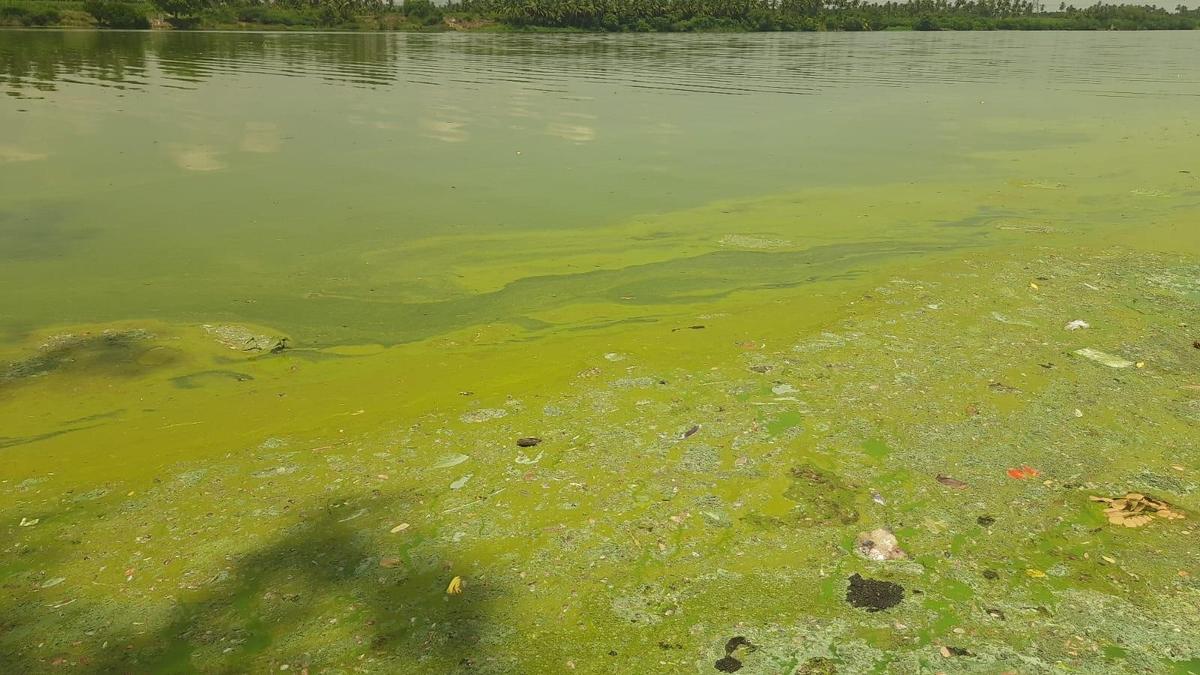
Residents and farmers in Erode district are raising alarms after the Cauvery river turned green, suspecting industrial pollution. The Tamil Nadu Pollution Control Board has been urged to investigate the contamination and its impact on local water usage.
Environmental Crisis in Erode: The Cauvery River Contamination
Residents and farmers in the Erode district of Tamil Nadu are facing a significant environmental crisis as sections of the Cauvery River, including areas such as Ammapettai, Nerinjipettai, and Kuthiraikalmedu, have undergone a visible transformation, turning a concerning shade of green. This shift in water quality has triggered immediate alarm among local communities who rely on the river for their daily sustenance, agriculture, and sanitation needs. The sudden discoloration has prompted widespread calls for the Tamil Nadu Pollution Control Board (TNPCB) to intervene immediately by conducting comprehensive water quality tests and identifying the potential industrial sources of this contamination.
The Path of the Cauvery and Industrial Vulnerability
The Cauvery River serves as a vital lifeline for Tamil Nadu, entering the Erode district at Nerinjipettai following its release from the Mettur Dam. It traverses an 84-kilometer path through critical hubs, including Bhavani, Karungalpalayam in Erode city, and eventually Kodumudi, before flowing into the Karur district. Because the river acts as a primary water source for such a vast stretch of land, any contamination originating upstream—specifically near or above the Mettur Dam—poses a severe threat to downstream ecosystems and the millions of people who depend on the river for irrigation and drinking water.
Health Hazards and Community Impact
The human impact of this pollution has been immediate and distressing. Residents and local farmers have reported that the water is no longer usable for basic daily tasks, and individuals who have attempted to bathe in the affected sections have experienced adverse physical reactions, such as persistent itching. These symptoms suggest the presence of chemical agents or hazardous pollutants that are not naturally occurring. The community's suspicion falls heavily on industrial effluents, which they believe are being illegally discharged into the water system, compromising the river’s health and the safety of those living along its banks.
Regulatory Oversight and Accountability
The primary burden of addressing this incident lies with the Tamil Nadu Pollution Control Board. The situation necessitates a transparent investigation to determine whether industrial entities are violating environmental regulations by dumping untreated waste into the Cauvery. Identifying the source of the discoloration is not merely a bureaucratic requirement; it is a public health imperative. Failure to act swiftly could result in long-term ecological damage to the riverbed and the surrounding agricultural lands that rely on Cauvery water for crop production.
Future Implications for Regional Water Security
If the green discoloration is indeed confirmed to be the result of industrial effluent, it highlights a recurring conflict between industrial growth and environmental preservation in Tamil Nadu. As the state continues to industrialize, the pressure on its water bodies increases, often leading to the degradation of essential resources. This incident serves as a stark reminder that robust monitoring and stricter enforcement of pollution control laws are essential to prevent the Cauvery from becoming an industrial sewer. Future trends suggest that without stringent oversight, the health of the river will continue to decline, threatening both the agricultural productivity of the region and the public health of its residents.
Verification Required?