Cauvery Water Regulation Committee orders Karnataka to release 3,500 cusecs of water a day for 15 days to Tamil Nadu
Source Entity
India Latest News: Top National Headlines Today & Breaking News | The Hindu
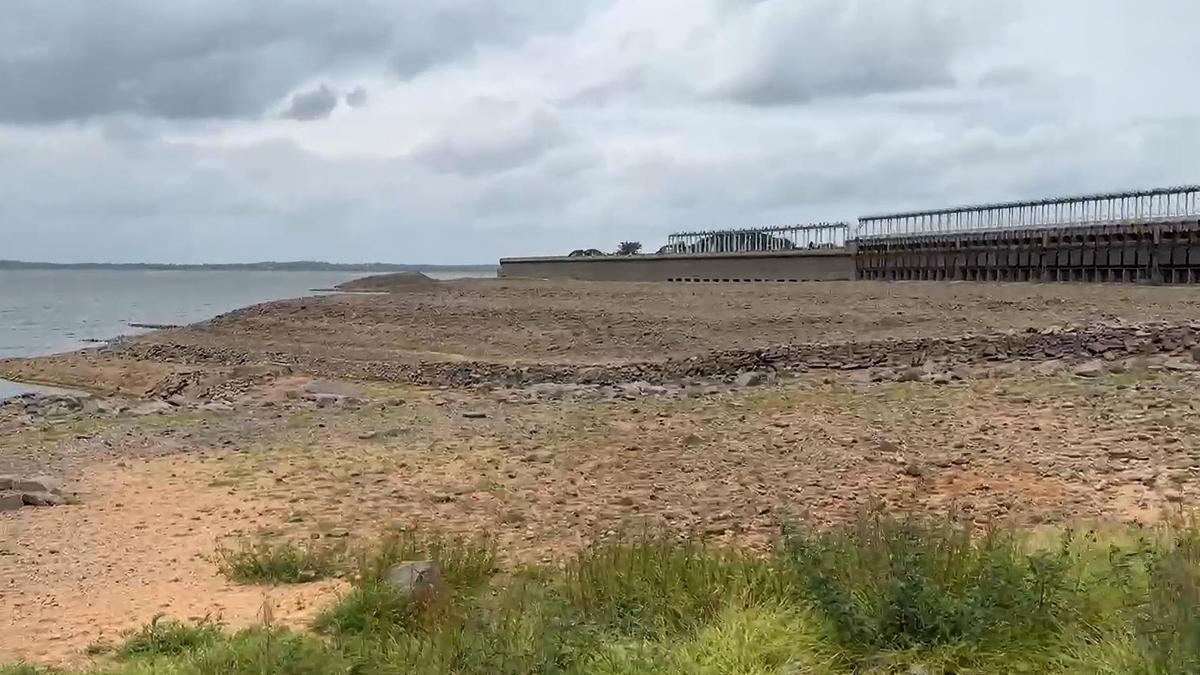
The Cauvery Water Regulation Committee has ordered Karnataka to release 3,500 cusecs of water daily to Tamil Nadu for 15 days amid drought conditions. Karnataka officials are considering an appeal, citing severe water shortages and significant transmission losses due to a dry riverbed.
The Cauvery Crisis: A Deep Dive into the 2026 Water Dispute
The Cauvery Water Regulation Committee (CWRC) has issued a directive requiring Karnataka to release 3,500 cusecs of water daily to Tamil Nadu for a 15-day period, starting July 29, 2026. This decision, aimed at ensuring a total flow of 4 tmcft at the Biligundlu measuring gauge, comes at a time when both riparian states are grappling with the looming threat of worsening El Nino conditions. The directive reflects the ongoing tension inherent in managing shared river resources during periods of acute environmental stress.
The Operational Challenge: Transmission Losses
While the CWRC mandate specifies a release of 3,500 cusecs, the practical implementation poses a significant logistical hurdle for Karnataka. Experts note that because the riverbed and banks leading to the Biligundlu gauge are currently dry, a substantial portion of any water released from the KRS or Kabini reservoirs will be absorbed by the parched terrain. Consequently, Karnataka may be compelled to release one-and-a-half to two times the stipulated amount to ensure the required volume actually reaches the interstate border, effectively doubling the burden on the state's already depleted reservoir levels.
Karnataka's Stance and Legal Recourse
Karnataka Water Resources Minister Ramalinga Reddy has publicly expressed severe concern regarding the order. He highlighted that Karnataka itself is currently gripped by a serious drought, making the release of such quantities difficult to justify to the local population. The state government is currently evaluating the possibility of filing an appeal before the Cauvery Water Management Authority (CWMA) to challenge the directive, seeking a recalibration of the order based on the ground reality of the state's water storage levels.
Broader Political Implications: The Mekedatu Factor
Parallel to the immediate water release dispute, the regional political climate remains volatile. Tamil Nadu Chief Minister Vijay has recently engaged directly with Prime Minister Narendra Modi regarding the Mekedatu project. This move is particularly notable given the political friction between the two entities, illustrating how inter-state water disputes often transcend administrative management and become central pillars of state-level political discourse and strategy.
Environmental and Future Trends
The situation is exacerbated by the broader climate context. The consideration of "anticipated worsening El Nino conditions" by the CWRC suggests that water management in the Cauvery basin is moving into an era of high volatility. As climate patterns become less predictable, the traditional formulaic approach to water sharing is being tested by reality. Future trends will likely necessitate more advanced, real-time water management technologies and perhaps a more flexible legal framework that can adapt to the rapid depletion of riverbed moisture and groundwater tables.
Conclusion
Ultimately, the current standoff highlights the fragile balance between legal mandates and physical reality. The conflict between Karnataka’s need to preserve its own water security during a drought and Tamil Nadu’s reliance on the Cauvery for downstream agriculture remains a structural challenge. As the states navigate potential appeals and technical hurdles, the resolution of this crisis will depend on whether the CWMA can balance the competing needs of both states against the backdrop of an increasingly inhospitable climate.
Multiple Citing Sources
Verification Required?