Tamil Nadu CM Vijay seeks PM Modi’s intervention in Mekedatu issue
Source Entity
India Latest News: Top National Headlines Today & Breaking News | The Hindu
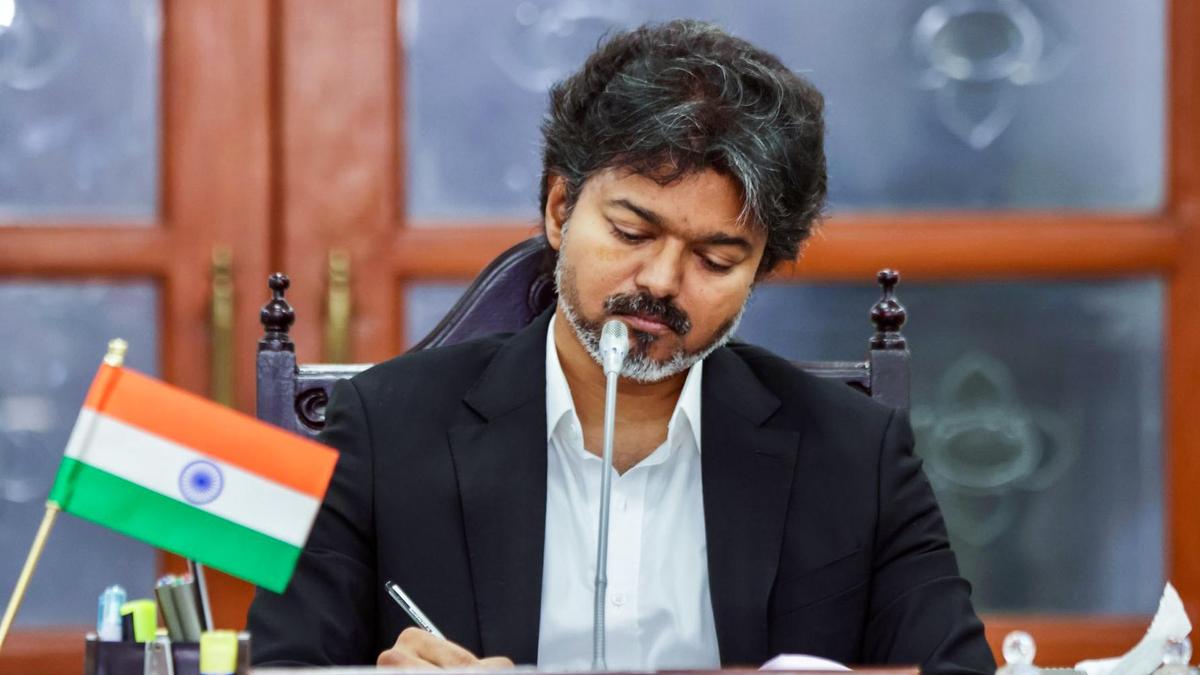
The Cauvery Water Regulation Committee has ordered Karnataka to release 3,500 cusecs of water daily to Tamil Nadu amid drought concerns. Meanwhile, Tamil Nadu CM Vijay has petitioned PM Modi to halt the Mekedatu project, citing legal inconsistencies.
The Escalating Cauvery Water Dispute: A Deep Dive
The CWRC Directive and Regional Tensions
On July 28, 2026, the Cauvery Water Regulation Committee (CWRC) issued a critical directive requiring Karnataka to release 3,500 cusecs of water per day to Tamil Nadu for a 15-day period. This decision, aimed at ensuring a total flow of 4 tmcft at the Biligundlu gauging station, comes at a precarious time as both states navigate the agricultural and domestic challenges exacerbated by anticipated El Nino conditions. The Committee’s decision reflects an attempt to balance the immediate water requirements of lower riparian states against the reservoir storage realities currently facing Karnataka.
Karnataka’s Stance on Resource Scarcity
Karnataka’s response to the CWRC mandate highlights the severity of the ongoing water crisis. Water Resources Minister Ramalinga Reddy has voiced significant concern, noting that the state is currently grappling with drought-like conditions. By signaling the intent to examine an appeal before the Cauvery Water Management Authority (CWMA), Karnataka is asserting that the current allocation fails to account for the state's own domestic and irrigation needs, setting the stage for a protracted legal and administrative battle.
The Mekedatu Project and Federal Friction
Beyond the daily water release, the broader conflict over the Mekedatu project has intensified. Tamil Nadu Chief Minister C. Joseph Vijay has formally written to Prime Minister Narendra Modi, requesting federal intervention to prevent any administrative or statutory approvals for the project. The core of this friction lies in the interpretation of the Cauvery Water Disputes Tribunal (CWDT) Award and the landmark 2018 Supreme Court judgment, which remain the foundational legal documents governing the river's distribution.
Challenging the Union Ministry’s Position
CM Vijay’s letter specifically targets a recent statement made by the Union Minister of State for Jal Shakti, Raj Bhushan Choudhary, in the Rajya Sabha. The Minister had suggested that the Supreme Court's 2018 ruling does not explicitly mandate Karnataka to obtain consent from lower riparian states for construction projects on the river. By demanding the withdrawal of this statement, the Tamil Nadu government is challenging what it perceives as a shift in the federal government’s stance that could bypass previous judicial safeguards against unilateral dam construction.
Legal and Political Implications
The intersection of the CWRC’s release order and the Mekedatu dispute represents a complex convergence of climate-induced resource scarcity and federalist tensions. The reliance on the Supreme Court’s 2018 framework suggests that any deviation from these established protocols—whether through administrative replies in Parliament or local infrastructure projects—will continue to be met with intense scrutiny. As the state of Karnataka prepares to contest the water release, the political landscape between New Delhi and the state governments remains highly volatile.
Future Trends and Outlook
Moving forward, the resolution of these disputes will likely hinge on the CWMA’s review process and the ability of the Union government to mediate between the conflicting demands of Karnataka and Tamil Nadu. Given the climate uncertainty linked to El Nino, water management in the Cauvery basin will remain a primary political issue. The outcome of these current legal challenges will not only affect the immediate water supply but will also set a significant precedent for how inter-state water infrastructure projects are governed in India for years to come.
Verification Required?