'Modiji clocked it': BJP MP's Gen Z-style praise for PM during anti-paper leak Bill debate
Source Entity
AASTHA JHA
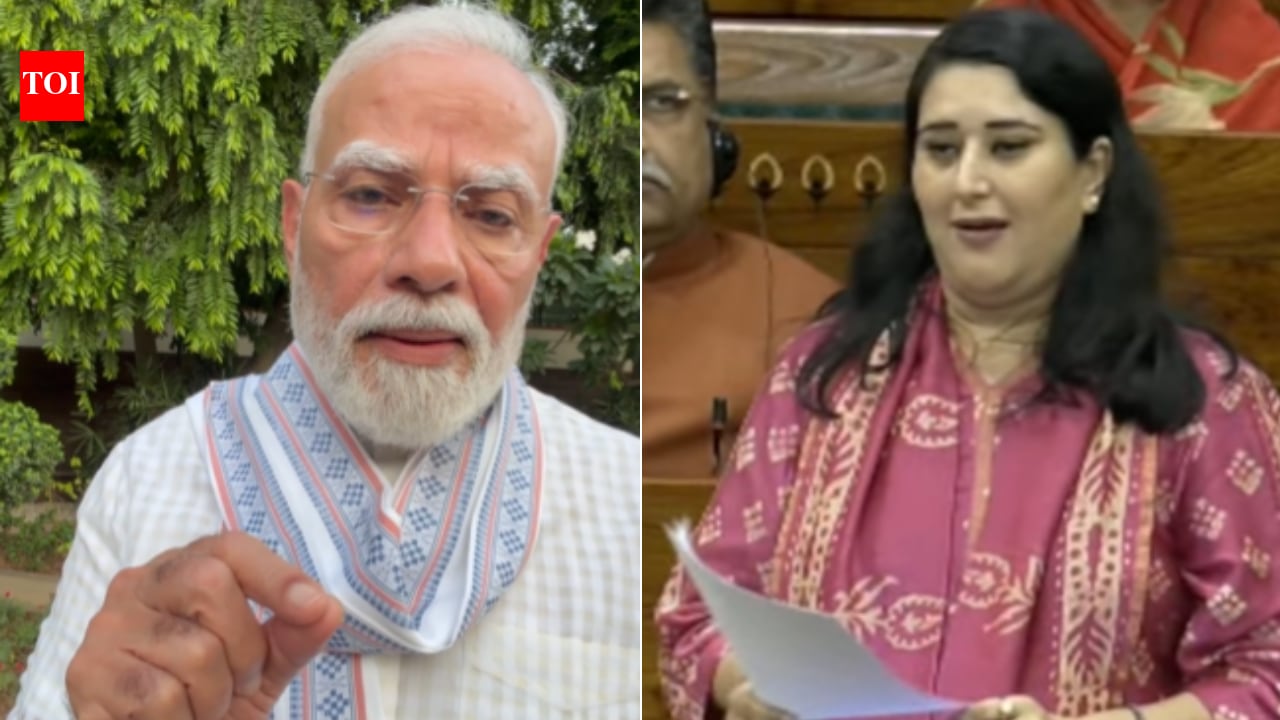
The Indian government has introduced the Public Examinations (Prevention of Unfair Means) Amendment Bill, 2026, proposing harsher penalties for paper leaks. This legislative move follows weeks of student protests and the resignation of Education Minister Dharmendra Pradhan.
Strengthening Legislative Deterrence Against Exam Malpractice
The introduction of the Public Examinations (Prevention of Unfair Means) Amendment Bill, 2026, in the Lok Sabha marks a pivotal shift in the government’s strategy to combat the systemic issue of examination paper leaks. By proposing a 10-year jail term and a Rs 50 lakh fine for those convicted of orchestrating or facilitating leaks, the state is signaling a move toward zero-tolerance. This legislative pivot follows intense nationwide student protests, underscoring the growing social pressure on the administration to safeguard the integrity of public examinations.
The Catalyst: Accountability and Political Reshuffling
The climate leading up to this bill was defined by significant political turbulence, most notably the resignation of Union Education Minister Dharmendra Pradhan. This development was a direct consequence of sustained agitation led by the Cockroach Janta Party (CJP), which galvanized students across the country in the wake of the NEET-UG paper leak controversy. The resignation serves as an acknowledgment of the government's perceived failure to maintain examination security, and the subsequent introduction of the amendment is an attempt to regain public trust.
Opposition Critique and the Question of Efficacy
During the parliamentary debate, the Opposition, led by Congress deputy leader Gaurav Gogoi, framed the new bill as a tacit admission of failure. The central argument posits that if the 2024 legislation was truly "historic" and effective, the necessity for such drastic amendments only two years later suggests a fundamental flaw in the initial policy framework. The Opposition has labeled the move a "cosmetic exercise," questioning whether harsher sentencing alone can resolve the deep-rooted corruption within examination administration bodies.
Navigating the Parliamentary Deadlock
The path to discussing this bill was far from smooth, requiring high-level mediation by Speaker Om Birla. Following a week of persistent disruptions regarding alleged police excesses during the July 20 march to Parliament, both the Treasury and Opposition benches reached a breakthrough on Monday. This negotiation process highlights the intense friction between the government's push for legislative reform and the Opposition's demand for accountability regarding the treatment of protesters.
Broader Implications and Future Trends
Looking ahead, the success of this legislation will depend not only on the severity of the penalties but on the efficacy of enforcement mechanisms. As the government attempts to stabilize the education sector, the focus will likely shift toward administrative reforms to prevent leaks before they occur. The tension between punitive measures and institutional reform suggests that the debate over examination integrity will remain a central theme in Indian politics, forcing the government to balance legislative posturing with concrete operational improvements to protect the futures of millions of students.
Multiple Citing Sources