CBI Files Chargesheet Against 13 In 2026 NEET UG Paper Leak Case
Source Entity
NDTV News Search Records Found 1000
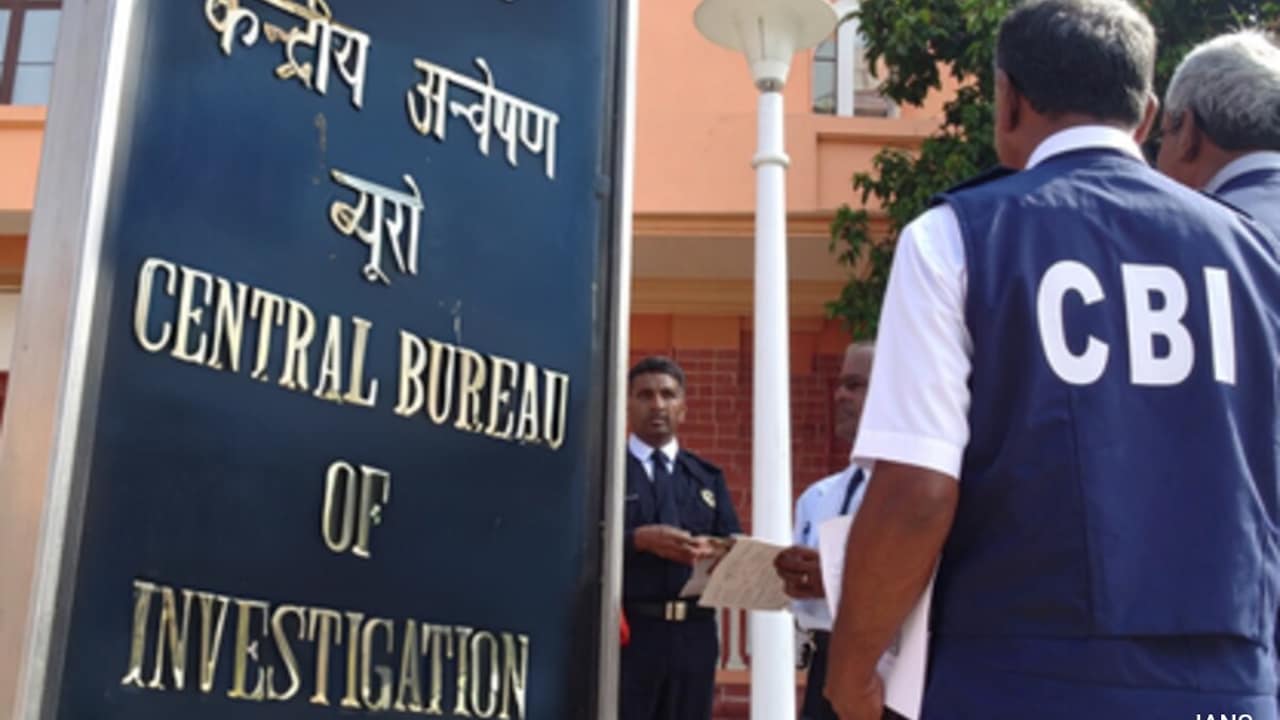
The CBI has filed a chargesheet against 13 individuals involved in the NEET-UG paper leak case at the Rouse Avenue Court. This legal development follows the cancellation of the original exam and a subsequent re-examination held on June 21.
Legal Progress in the NEET-UG Paper Leak Scandal
The Central Bureau of Investigation (CBI) has reached a significant milestone in the investigation of the NEET-UG paper leak case by filing a formal chargesheet against 13 accused individuals. This legal action, processed through the Economic Offences Wing of the CBI, was submitted to the Rouse Avenue Court in New Delhi. The case is set for a pivotal hearing, signaling the transition from the investigative phase to the formal judicial process within a specialized fast-track court environment.
Legal Framework and Charges
The chargesheet invokes a combination of stringent legislative measures, reflecting the gravity of the allegations. The accused face charges under the Bharatiya Nyaya Sanhita (BNS), 2023, specifically sections related to cheating and dishonesty, alongside provisions of the Prevention of Corruption Act, 1988. Furthermore, the inclusion of the Public Examinations (Prevention of Unfair Means) Act, 2024, underscores the government's intent to utilize recently enacted, more robust legal frameworks to deter systemic academic fraud.
Impact on the Examination Cycle
The integrity of the NEET-UG examination remains a critical concern for millions of students across India. The initial compromise of the paper necessitated the cancellation of the examination, forcing a widespread disruption in the academic calendar. To mitigate the fallout, a re-examination was successfully conducted on June 21, ensuring that candidates had a fair opportunity to secure their placement in medical institutions, albeit under the shadow of the ongoing investigation.
Broader Implications for Academic Integrity
This case serves as a litmus test for the effectiveness of the Public Examinations (Prevention of Unfair Means) Act, 2024. By consolidating these cases into a fast-track court, the judiciary aims to provide swift justice, which is essential for maintaining public trust in competitive entrance exams. The outcome of this trial will likely set a precedent for how future large-scale examination irregularities are handled at the federal level.
Regional Context and Legal Precedents
Simultaneously, the legal discourse has extended to regional levels, with discussions emerging regarding the handling of protest-related cases. Reports indicate that the Assam government has reviewed cases filed during student protests, illustrating the multifaceted nature of the fallout from the paper leak. As the judicial process continues, the balance between maintaining law and order during public unrest and ensuring the fair treatment of students remains a central theme in the national narrative surrounding this scandal.
Verification Required?