Tamil Nadu government bans transport of rough stones, aggregates to other States for three months
Source Entity
India Latest News: Top National Headlines Today & Breaking News | The Hindu
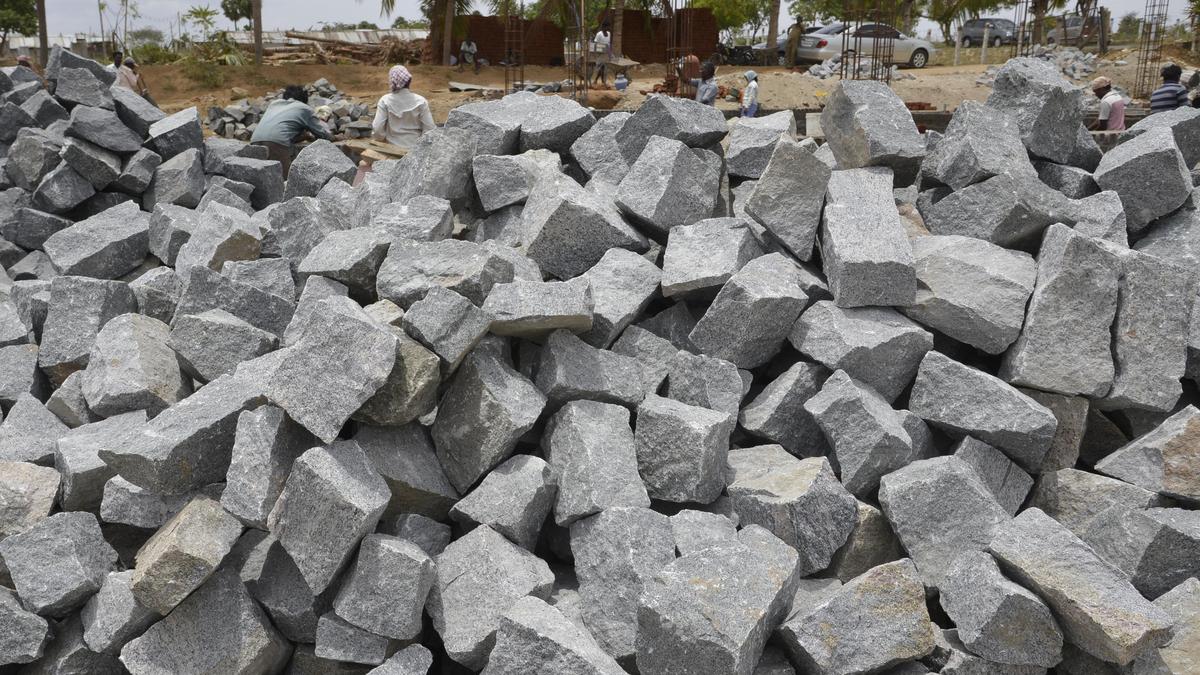
The Tamil Nadu government has implemented a three-month ban on the interstate transport of rough stones and construction aggregates. This regulatory measure aims to stabilize local supply chains and address potential shortages of critical building materials within the state.
Tamil Nadu Implements Strategic Ban on Interstate Mineral Transport
The Tamil Nadu government has officially initiated a three-month prohibition on the interstate transportation of rough stones and various construction aggregates. This directive, established through an amendment to the Tamil Nadu Prevention of Illegal Mining, Transportation and Storage of Minerals and Minerals Dealers Rules, 2011, marks a significant shift in the state's resource management strategy. By inserting rule 3(A), the administration has granted the Director of Geology and Mining the authority to strictly regulate the movement of materials such as boulders, M-sand, metal jelly, and road construction stones.
Addressing Local Supply Chain Vulnerabilities
At the core of this policy change is the necessity to ensure a sufficient domestic supply of construction materials. As urbanization and infrastructure development continue to accelerate across Tamil Nadu, the demand for high-quality aggregates has reached unprecedented levels. The government's intervention suggests a proactive attempt to prevent potential supply crunches that could otherwise inflate prices and delay critical infrastructure projects. By curbing exports to neighboring states—with the notable exception of Puducherry and Karaikal—the administration is effectively prioritizing local construction needs over external market demands.
Regulatory Framework and Oversight
This measure is not merely a temporary restriction but a formal tightening of the state's mineral oversight framework. The move to empower the Director of Geology and Mining reflects a broader effort to formalize the supply chain and curb the unauthorized diversion of resources. By integrating these restrictions into the existing 2011 rules, the state government provides a legal basis for monitoring the transit of materials, including specific items like khandas, ballasts, and hand chakais, ensuring that the regulatory apparatus can effectively enforce compliance during this three-month window.
Potential Economic Implications
While the primary goal is to stabilize the local market, the economic ripple effects of such a ban remain a subject of interest. Construction companies and developers relying on steady supply chains across state borders may face short-term logistical challenges as they adjust their procurement strategies. However, for the state of Tamil Nadu, this policy serves as a protective buffer, potentially lowering the cost of raw materials by increasing local availability. The success of this initiative will likely depend on the effectiveness of the monitoring systems put in place by the Directorate of Geology and Mining.
Future Outlook for Resource Management
Looking ahead, this three-month period serves as a critical test case for Tamil Nadu's resource management policy. If this intervention proves successful in stabilizing prices and meeting the requirements of ongoing state projects, it may set a precedent for future regulatory responses to mineral scarcity. The government’s ability to balance the needs of the construction industry with the necessity of local resource preservation will be a key indicator of the state's long-term economic stability in the infrastructure sector. Continued monitoring of this policy will be essential to determine if further adjustments are required to sustain the growth of the state’s building industry.
Verification Required?