Cauvery water dispute: In SC, Tamil Nadu claims 20 TMC deficit as Karnataka says many districts face drought
Source Entity
India Latest News: Top National Headlines Today & Breaking News | The Hindu
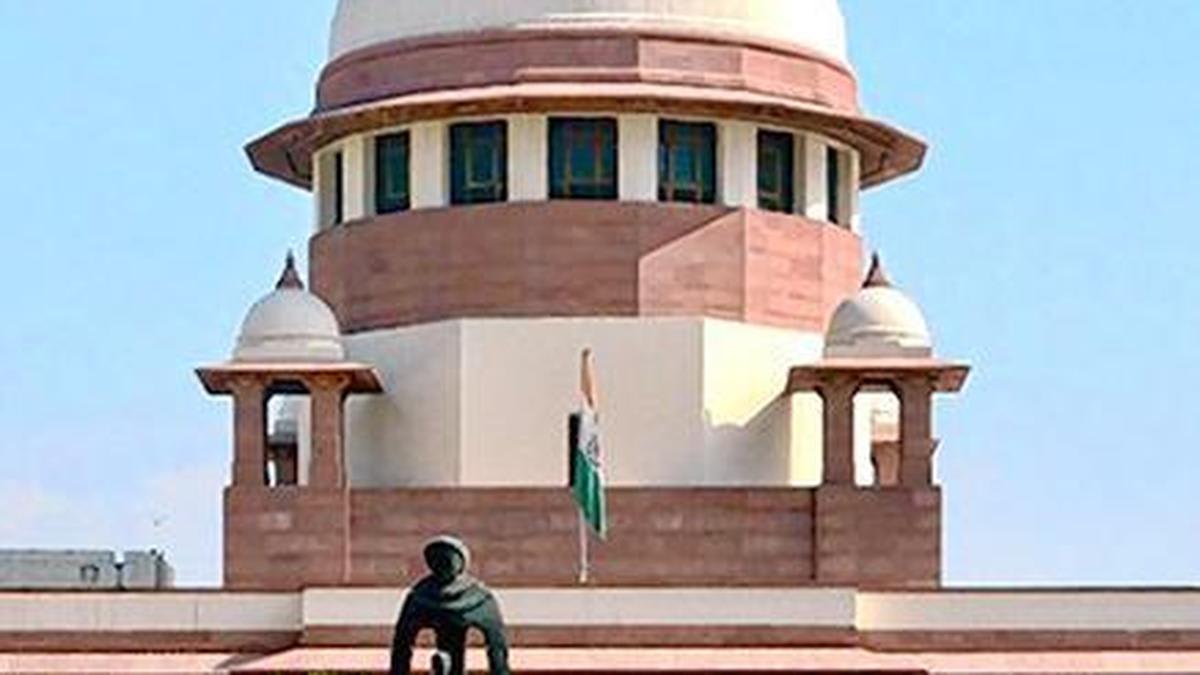
The Supreme Court is mediating a dispute between Tamil Nadu and Karnataka over a 20 TMC Cauvery water deficit. While Tamil Nadu demands its share to prevent crop failure, Karnataka cites severe drought conditions as a barrier to further releases.
The Resurfacing Crisis of the Cauvery River Dispute
The long-standing legal and political battle over the Cauvery river waters has reached the Supreme Court once again, as of September 24, 2026. Tamil Nadu has formally petitioned the apex court, claiming a significant deficit of 20 thousand million cubic (TMC) feet of water. This shortfall is reportedly causing widespread agricultural distress in the state, prompting urgent judicial intervention to secure what they argue is their rightful share of the river's resources.
Divergent Perspectives on Resource Allocation
The dispute pits two riparian states against one another, with each side presenting a compelling, albeit conflicting, narrative. Tamil Nadu, represented by senior advocate C.S. Vaidyanathan, contends that Karnataka is effectively 'usurping' water, thereby depriving the downstream state of its necessary supply. Conversely, Karnataka, through senior advocate Shyam Divan and Chief Minister DK Shivakumar, maintains that the state is currently grappling with a 'terrible drought situation.' Karnataka asserts that its ability to release water is strictly contingent upon actual availability, noting that reservoir inflows have significantly halted.
The Judicial Stance and Procedural Path
The Supreme Court, led by a Bench headed by Justice Vikram Nath, has acknowledged the gravity of the situation. Recognizing the 'very sensitive' nature of the issue for both states, the court has refrained from issuing an immediate directive, instead opting for a structured legal review. Karnataka has been granted a period of one week to file a formal response to Tamil Nadu’s plea, with the next hearing scheduled for October 12. This delay highlights the court's desire to balance the urgent humanitarian and agricultural needs of both states against the physical realities of water scarcity.
Historical Context and Broader Implications
This conflict is not a new phenomenon; the Cauvery water dispute has been a flashpoint for regional tension for decades. The reliance of both states on the river for irrigation and drinking water makes it a matter of existential importance. The ongoing drought conditions reported by Karnataka, coupled with the crop losses cited by Tamil Nadu, illustrate the vulnerability of the region's agricultural economy to climate-driven hydrological shifts. The court's role in this matter is crucial, as it must interpret inter-state water sharing agreements in the context of changing environmental realities.
Future Trends in Water Governance
As the hearing approaches on October 12, the outcome will likely hinge on the technical data regarding reservoir levels and current inflow projections. This case serves as a critical indicator for future inter-state water governance in India. As climate change continues to impact monsoon patterns and rainfall reliability, the existing mechanisms for water sharing will face unprecedented pressure. The ability of the judiciary to provide a sustainable framework that accounts for both legal entitlements and the physical limitations of drought-stricken regions will define the stability of these two states in the coming years.
Verification Required?