‘We can’t let our guard down’: What getting around Delhi means for women students
Source Entity
Sophiya Mathew
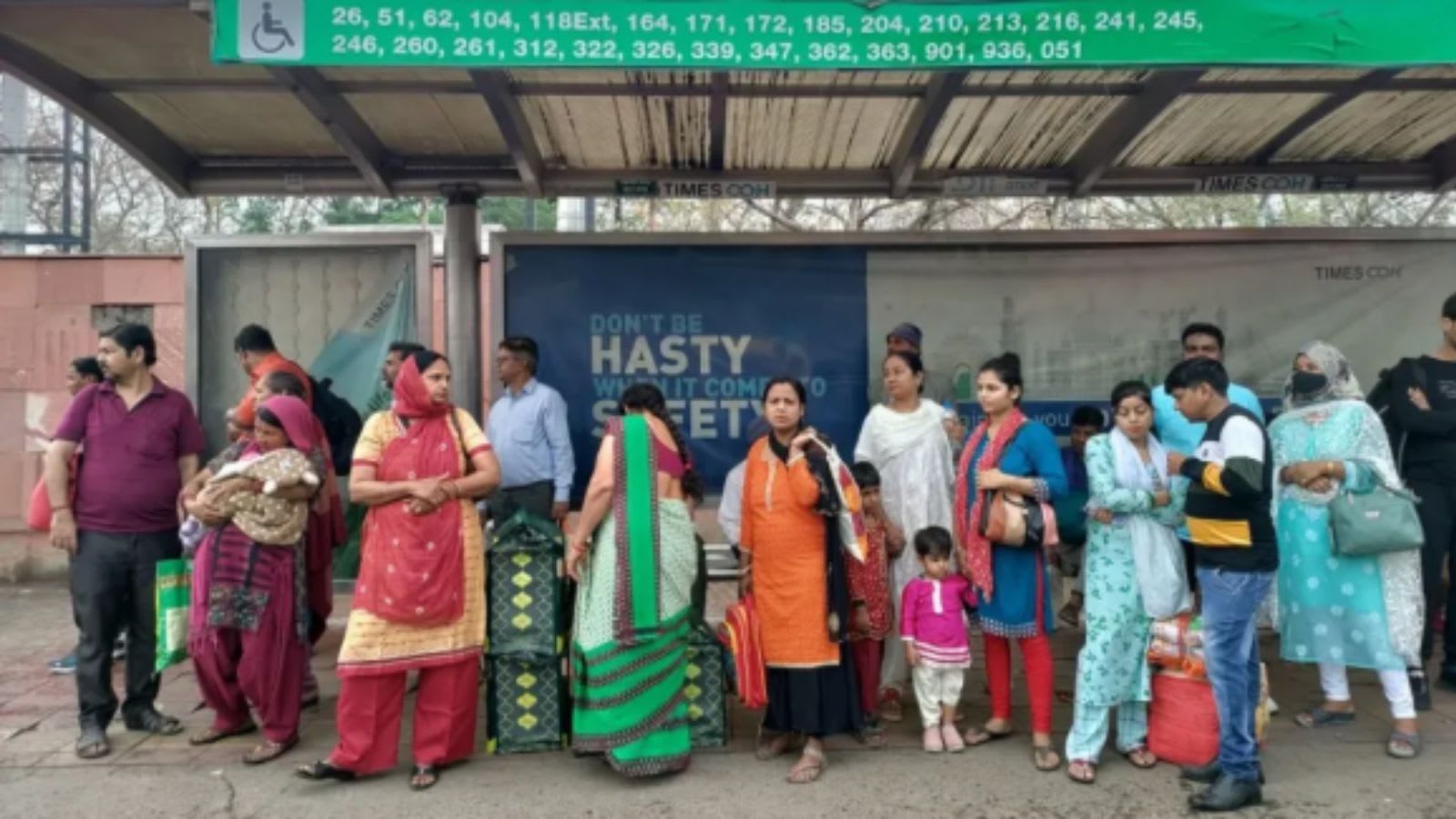
Two Delhi University students were allegedly stalked and sexually harassed by men in an SUV near Mukherjee Nagar. Delhi Police have registered an FIR under the Bharatiya Nyaya Sanhita and are actively conducting raids to apprehend the identified suspects.
Incident Overview and Police Response
On the night of Wednesday, September 18, two postgraduate students from Delhi University were subjected to a harrowing ordeal in the Mukherjee Nagar area of North Delhi. According to reports, the women were walking near Hakikat Park when they were approached by at least four men traveling in a Tata Safari SUV. The occupants of the vehicle allegedly engaged in stalking, verbal abuse, and indecent remarks, with reports further indicating an attempt to pull one of the students into the vehicle. The Delhi Police, under the guidance of Deputy Commissioner of Police (Northwest) Akanksha Yadav, responded promptly to the complaint, tracing the vehicle to its owner and identifying the driver as an individual named Naman.
Legal Framework and Investigation
Following the formal complaint, an FIR was registered at the Mukherjee Nagar police station. The charges have been filed under relevant sections of the Bharatiya Nyaya Sanhita, specifically addressing offenses related to stalking (Section 78) and insults to the modesty of a woman (Section 79). DCP Yadav has confirmed that the identity of the four suspects has been established, and specialized police teams are currently conducting raids to ensure their apprehension. The swift identification of the vehicle serves as a critical turning point in the investigation, signaling a move toward more rigorous enforcement of safety protocols in the vicinity of university hubs.
The Broader Context of Student Safety
This incident highlights a persistent and exhausting reality for thousands of female students navigating Delhi’s expansive and often fragmented university landscape. For students like Kirti Sharma, a first-year undergraduate at Maitreyi College, the daily commute is fraught with constant risk assessment. The necessity to calculate safe routes, monitor bus occupancy, and remain hyper-vigilant—even during routine travel—underscores the systemic challenges women face when moving through the city after dark. The Mukherjee Nagar incident is not an isolated event but rather a reflection of the heightened state of alert that many students feel they must maintain to ensure their personal security.
Societal Implications and Institutional Challenges
Delhi University’s scattered off-campus geography forces students to rely heavily on public infrastructure that is frequently perceived as unsafe during late evening hours. The intersection of student life and urban safety issues creates a precarious environment where administrative oversight and law enforcement visibility must be constant. The psychological toll of such incidents cannot be overstated, as they restrict the mobility and independence of young women, effectively forcing them to alter their academic and social schedules to avoid potential victimization.
Future Trends and Policy Necessity
As the Delhi Police continue their efforts to apprehend the suspects, the broader discourse around urban safety in the capital remains critical. Future trends indicate a growing demand for increased police patrolling in student-heavy neighborhoods and the implementation of better-lit, high-frequency transit routes. Without sustained institutional intervention and a proactive approach to curbing harassment, the sense of vulnerability among the student population will likely persist. Ensuring the safety of students is a fundamental requirement for a functioning educational ecosystem, and the resolution of this case will serve as a vital test of the efficacy of the newly implemented legal frameworks under the Bharatiya Nyaya Sanhita.
Multiple Citing Sources