CBI arrests two NCB staffers for demanding Rs 25 lakh bribe from a chemist in UP
Source Entity
Mahender Singh Manral
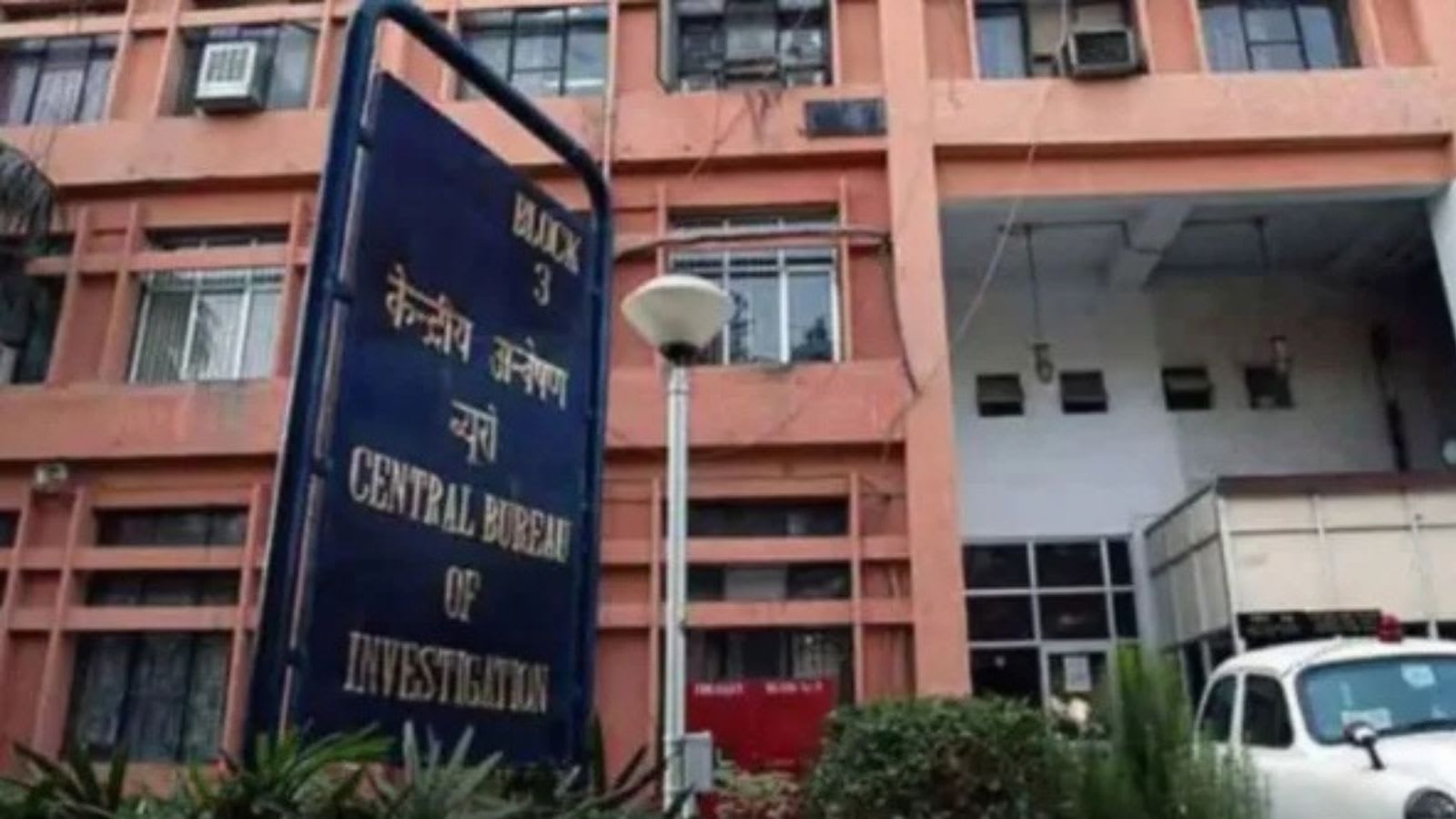
The CBI has arrested two Narcotics Control Bureau sub-inspectors for allegedly demanding a Rs 25 lakh bribe from a Uttar Pradesh chemist. The arrest followed a high-speed chase in Delhi, with the agency now seeking custody to uncover a broader conspiracy.
Corruption Allegations Within the Narcotics Control Bureau
The recent arrest of two sub-inspectors from the Narcotics Control Bureau (NCB) marks a significant development in the ongoing efforts to address institutional corruption within India's drug enforcement agencies. Ajit Singh Meena and Sumeet Kumar were apprehended by the Central Bureau of Investigation (CBI) following allegations that they demanded a bribe of Rs 25 lakh from Amin Shukla, a chemist based in Powayan, Uttar Pradesh. The motive behind the alleged extortion was to ensure the chemist remained excluded from a narcotics-related investigation.
The Operational Arrest
The operation conducted by the CBI was notably dramatic, resulting in a high-voltage chase at Tamil Sangam Marg in R K Puram, Delhi. This pursuit underscores the seriousness with which the central investigative agency is treating allegations of misconduct involving law enforcement personnel. By intercepting the officers in such a public and high-stakes manner, the CBI has signaled a firm stance against the abuse of power within central agencies tasked with sensitive counter-narcotics mandates.
Legal Proceedings and Custody
Following the arrests, the CBI moved swiftly to secure the legal process by filing an application before the Special Judge at the Rouse Avenue courts in Delhi. The request for two days of police custody is a strategic move intended to facilitate the recovery of the alleged bribe money and the seizure of critical evidence, including mobile phones and SIM cards. These items are expected to provide a digital trail that could substantiate the extortion claims and reveal the extent of the suspects' activities.
Investigating Institutional Complicity
A critical aspect of the CBI's investigation is the explicit aim to determine the involvement of "other officials." This phrasing suggests that the agency suspects the two sub-inspectors may not have been operating in isolation. Investigating systemic corruption requires looking beyond individual bad actors to determine if there is a broader network of collusion within the NCB that facilitates the targeting of private citizens for financial gain.
Broader Implications for Law Enforcement
This incident serves as a stark reminder of the risks associated with discretionary power in law enforcement. When individuals operating under the authority of agencies like the NCB are accused of extortion, it undermines public trust in the state's ability to regulate controlled substances. The case of the Sanjeevani Medical Store proprietor highlights how small-scale business owners can become targets of arbitrary enforcement, necessitating rigorous internal oversight and external accountability mechanisms.
Future Trends and Accountability
As the investigation proceeds, the legal outcomes for Meena and Kumar will likely set a precedent for how cases of official corruption are handled within the federal investigative framework. Future trends in this space will likely focus on increased digital surveillance and the implementation of stricter internal audits within the NCB to prevent similar abuses. The CBI's proactive approach in this case indicates a continued focus on rooting out corruption within the ranks of central government agencies to restore institutional integrity.