CBI to examine all recent contracts awarded by arrested official amid ₹500 crore ammunition deal bribery case
Source Entity
Latest News: Todays Latest News Headlines from India & World | Hindustan Times | Hindustan Times
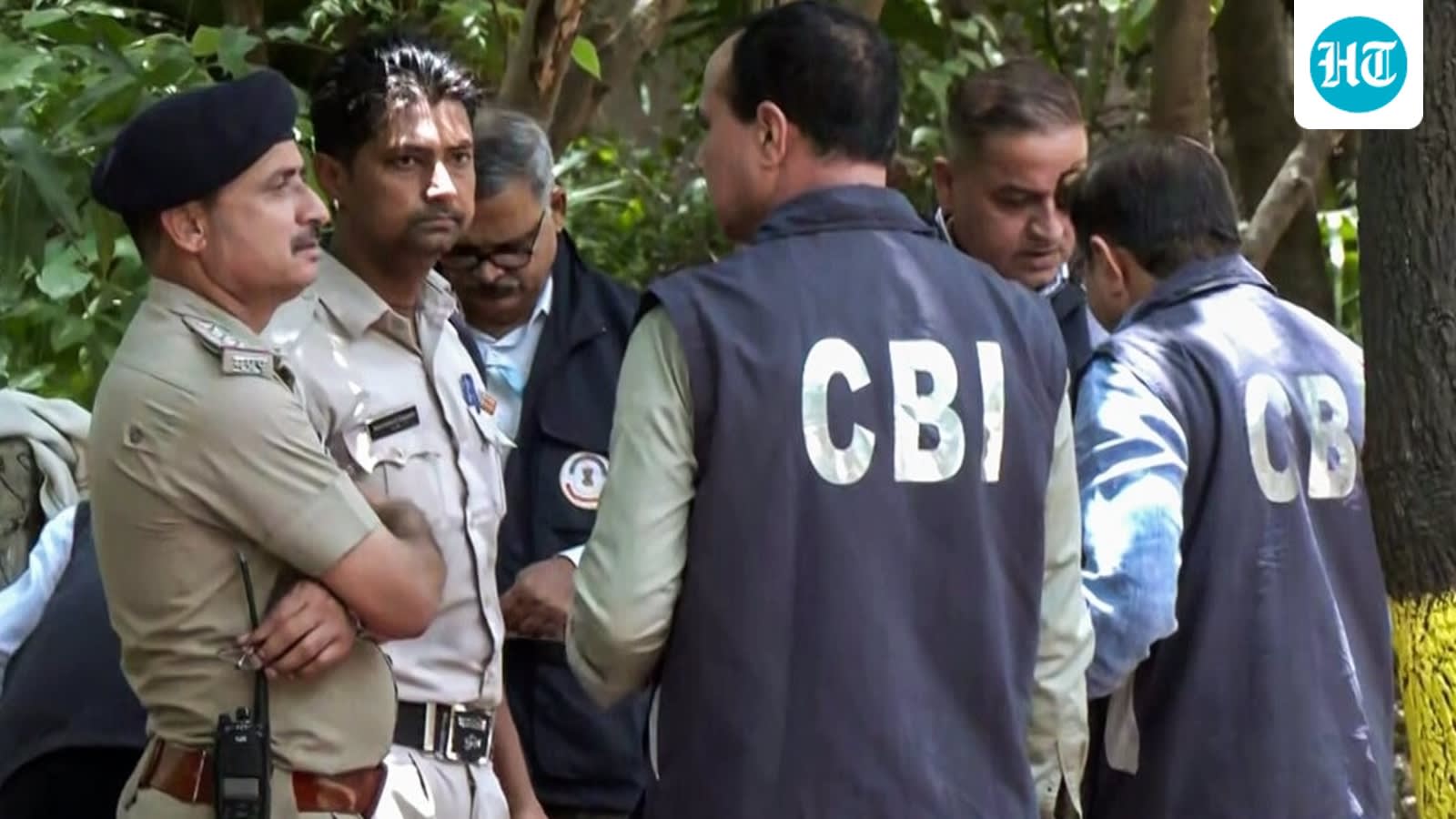
The CBI has launched a comprehensive investigation into all contracts managed by Anil Kumar, an Executive Director at the defence PSU Munitions India Limited, following his arrest in a ₹500 crore bribery case. The probe aims to uncover potential leaks of sensitive defence production data and systemic corruption involving private vendors.
Corruption Scandal Rocks Munitions India Limited
The arrest of Anil Kumar, an Executive Director at the Pune-headquartered defence Public Sector Undertaking (PSU) Munitions India Limited (MIL), has sent shockwaves through India’s defence production sector. Following the discovery of over ₹2.2 crore in cash, the Central Bureau of Investigation (CBI) has initiated a sweeping probe into all contracts handled by Kumar. This development follows a specific tip-off received on October 12 regarding a ₹500 crore ammunition contract awarded to M/S SMPP Ltd, which allegedly served as the primary catalyst for the illegal gratification scheme.
The Mechanics of the Alleged Bribery
The investigation centers on the nexus between public officials and private contractors. According to investigators, Kumar is accused of conniving with his brother and Ashish Kansal, the CEO of SMPP Ltd, to extend official favours in exchange for bribes. Beyond the immediate bribery charges, the CBI is exploring a more severe dimension of the case: the potential compromise of national security. Officials are currently probing whether Kumar leaked sensitive information concerning defence production and procurement strategies to private entities, which would represent a significant breach of protocol for a high-ranking official at a state-run defence unit.
Broader Implications for Defence Production
Munitions India Limited has historically been recognized as one of the Ministry of Defence’s top-performing ordnance units, contributing significantly to both domestic self-reliance and the expansion of India’s footprint in overseas defence markets. The current scandal casts a long shadow over this reputation. The Department of Defence Production is now tracking the case closely, signaling that the government is prepared to undertake a rigorous internal clean-up to restore institutional integrity and accountability.
Investigative Scope and Accountability
To ensure a thorough audit, the CBI plans to correspond with the Ministry of Defence and MIL management to secure all files and contracts handled by Kumar. The objective is to establish a clear audit trail between procurement decisions, private vendor selections, and corresponding financial transactions. This forensic approach is designed to determine the extent of the rot within the procurement chain and identify if other officials were complicit in the alleged scheme.
Future Trends and Institutional Reform
Looking ahead, this case is likely to accelerate the implementation of more stringent oversight mechanisms within India’s defence PSUs. As the government pushes for greater indigenization in defence production, the pressure to maintain transparent and competitive bidding processes has never been higher. The fallout from this investigation will likely lead to a policy shift, potentially involving more aggressive monitoring of senior executive decisions and more frequent integrity audits of high-value procurement deals to prevent similar breaches in the future.
Verification Required?