'CBI Came, Returned Empty-Handed': Bhagwant Mann's Swipe At BJP Over Search
Source Entity
NDTV News Search Records Found 1000
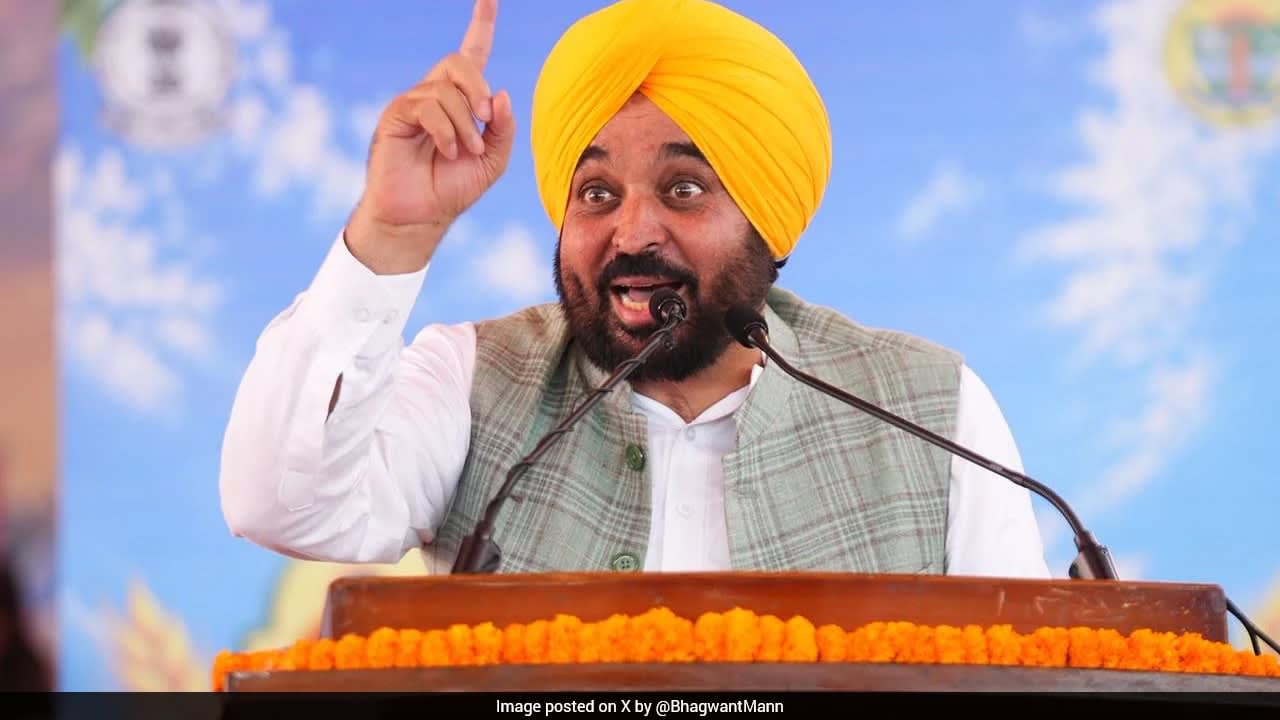
Villagers in Sangrur greeted a CBI search team with Dhol and Bhangra, turning a law enforcement visit into a public spectacle. Punjab CM Bhagwant Mann mocked the BJP, asserting that the central agency found nothing during the raid on his aide's residence.
A Political Spectacle in Sangrur
The recent search operation conducted by the Central Bureau of Investigation (CBI) at the residence of an aide to Punjab Chief Minister Bhagwant Mann in Sangrur has unfolded as a highly unusual political event. Instead of the typical tension or scrutiny that accompanies such high-profile investigations, the scene was marked by the sounds of Dhol and the energy of Bhangra. Villagers gathered to shower petals on the CBI vehicle, signaling a defiant show of support for the local political figures under investigation.
The Optics of Resistance
This public display of support serves as a significant indicator of the current political climate in Punjab. By transforming a federal investigative action into a celebratory cultural display, the residents of Sangrur have signaled a rejection of the narrative typically associated with anti-corruption raids. The act of showering petals on a government investigative vehicle is a rare form of protest that challenges the authority and optics of the central agency, effectively turning the tables on the intended impact of the raid.
Chief Minister Mann’s Rebuttal
Following the event, Punjab Chief Minister Bhagwant Mann utilized the incident to sharpen his critique of the Bharatiya Janata Party (BJP). Mann publicly mocked the central agency’s efforts, stating that the CBI came and left "empty-handed." This rhetoric is aimed at framing the investigative process as politically motivated harassment rather than a genuine pursuit of justice, a common narrative in the ongoing friction between opposition-led state governments and federal agencies.
Broader Political Implications
This event highlights the intensifying political friction between the Aam Aadmi Party (AAP) and the central government. In the context of Indian federalism, the use of central agencies is frequently debated, with state leaders often alleging that these investigations are used as tools to undermine regional political power. The Sangrur incident demonstrates how state-level political actors can leverage local sentiment to neutralize the political damage potentially caused by such investigations.
The Future of Federal-State Relations
As these investigative actions continue to collide with state-level political mobilization, the relationship between federal agencies and state administrations remains strained. The incident in Sangrur suggests that future raids may be met with increased public mobilization, further complicating the operational capacity of agencies like the CBI in states where the ruling party is in direct opposition to the center. This evolving dynamic signals a challenging period for administrative and legal coordination between the Union and the States.
Conclusion
The situation in Sangrur serves as a microcosm of the current state of Indian electoral and investigative politics. By framing the CBI's visit as a hollow victory for the center and a moment of communal solidarity for his aide, Bhagwant Mann has successfully navigated the optics of the situation. Whether this strategy will hold up under continued legal scrutiny or if it will lead to further escalations remains a pivotal question for the political landscape of Punjab.
Verification Required?