Madras High Court denies interim relief to DMK’s ex-Minister E.V. Velu, his son in lake bed excavation case
Source Entity
India Latest News: Top National Headlines Today & Breaking News | The Hindu
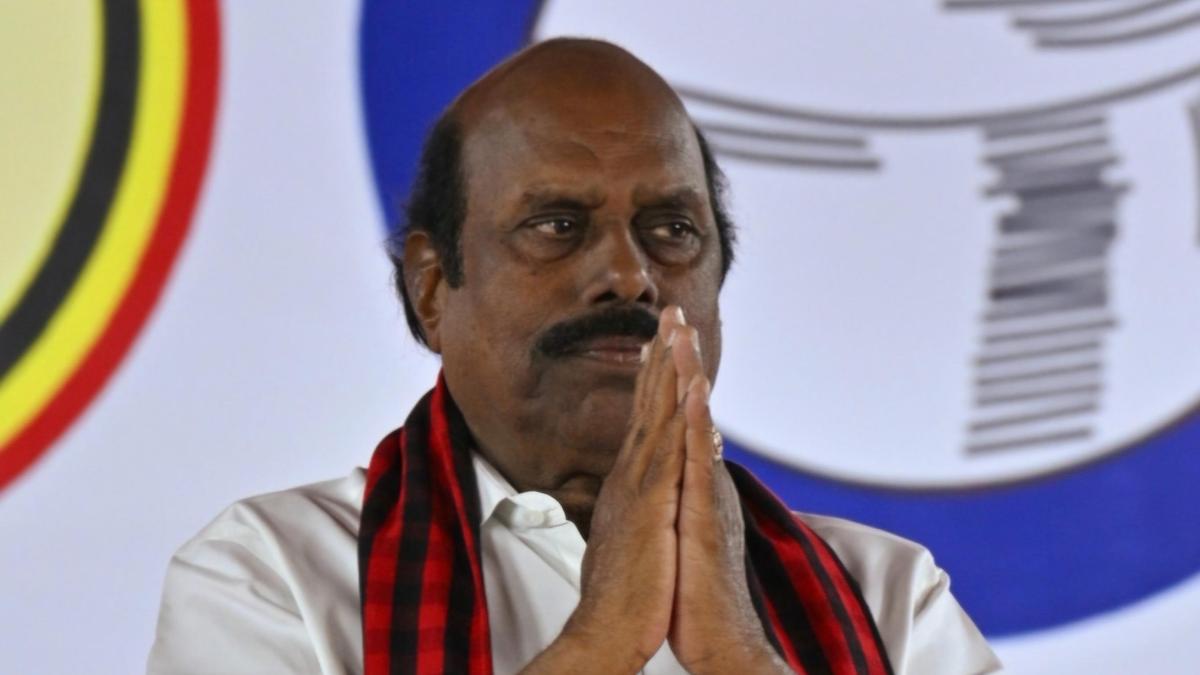
The Madras High Court has declined to grant interim relief to both a construction firm partner and DMK leader E.V. Velu regarding separate sand mining and excavation allegations. These legal battles highlight ongoing scrutiny into alleged large-scale environmental and financial irregularities involving state officials and private entities.
Legal Scrutiny Intensifies over Tamil Nadu Sand Mining Allegations
Recent judicial proceedings at the Madras High Court have brought two major cases of alleged environmental and financial misconduct into the spotlight. On October 7, 2026, the court addressed petitions involving both a private construction company and high-profile political figures, specifically former Minister E.V. Velu and his son, E.V. Kumaran. These developments underscore a growing trend of legal challenges aimed at curbing alleged systemic corruption related to natural resource extraction in the state.
The ₹4,730-Crore Sand Mining Dossier
The court, led by Chief Justice Sushrut Arvind Dharmadhikari and Justice G. Arul Murugan, heard a petition from a Chennai-based private construction partner seeking to block the Directorate of Vigilance and Anti-Corruption (DVAC) from acting on a 2024 communication from the Enforcement Directorate (ED). This communication concerns an alleged ₹4,730-crore sand mining scam traced back to the DMK regime. While the petitioner sought to prevent the registration of a First Information Report (FIR), the court refused to grant an interim stay, allowing the DVAC’s inquiry to continue.
Political Accountability and the Lake Bed Excavation Case
Simultaneously, Justice V. Lakshminarayanan denied interim relief to E.V. Velu, a senior DMK leader and party whip, and his son. The case revolves around the alleged unauthorized excavation of over 4.5 million cubic feet of sand from the Malappambadi lake in Tiruvannamalai. The sand was reportedly used to level a venue for a party youth wing conference in late 2025. By rejecting the plea to quash the September 2026 FIR, the court has signaled that these allegations warrant a full investigation.
Broader Implications for Governance
These cases highlight the intersection of environmental protection and political accountability. Large-scale sand mining, often conducted with disregard for ecological regulations, has long been a contentious issue in Tamil Nadu. The involvement of both private contractors and political leadership suggests that these activities may be deeply embedded in the state's economic and political infrastructure. The court’s refusal to grant ex-parte stays serves as a critical check, ensuring that oversight bodies like the DVAC can operate without immediate judicial obstruction.
Historical Context and Future Trends
Historically, the regulation of sand mining in Tamil Nadu has been hampered by complex bureaucratic and political entanglements. The shift toward utilizing reports from central agencies like the ED to trigger state-level investigations reflects a new phase in anti-corruption efforts. As these legal battles progress toward their return dates in November, the outcome will likely set a precedent for how the judiciary balances the rights of the accused against the state's mandate to investigate large-scale financial and environmental crimes.
Conclusion
The ongoing legal challenges in the Madras High Court represent a pivotal moment for transparency in Tamil Nadu. By refusing to provide interim protection to the accused, the judiciary has maintained the momentum of investigations into the ₹4,730-crore scam and the Malappambadi lake excavation. These cases will be closely watched by observers to determine whether current anti-corruption mechanisms can effectively hold influential political and private entities accountable for the depletion of the state's natural resources.
Verification Required?