Three-language scheme: Centre raises ‘issue’ in SC over treating English as ‘native’, assures quick action on Class 6 reprieve
Source Entity
India Latest News: Top National Headlines Today & Breaking News | The Hindu
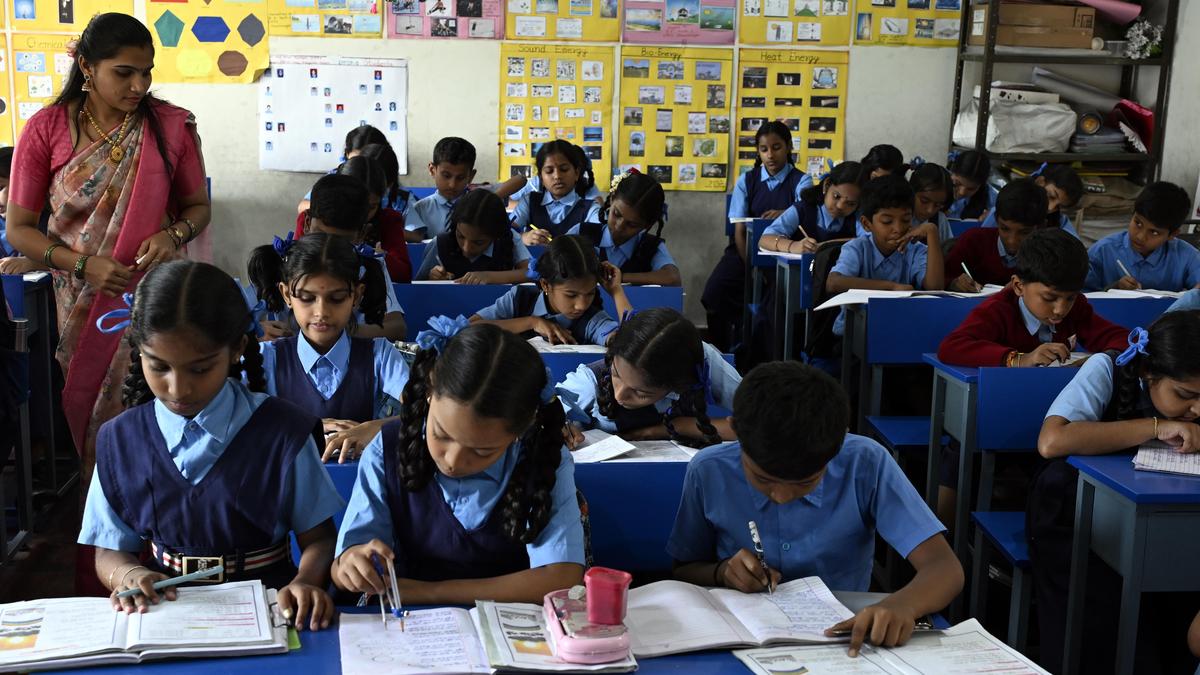
The Union government has informed the Supreme Court of its intent to resolve a dispute regarding the three-language policy in CBSE schools. Officials are deliberating a one-time reprieve for current Class 6 students concerning mandatory third-language board exams.
The Three-Language Policy Dispute: An Overview
The Union government’s recent appearance before the Supreme Court, led by Chief Justice of India Surya Kant, highlights a deepening legal and pedagogical conflict regarding India's three-language policy within the Central Board of Secondary Education (CBSE) framework. At the heart of the matter is the government’s stated objection to the classification of English as an indigenous or 'native' language, a distinction that carries significant weight in how the national curriculum is structured and implemented across diverse linguistic states.
The Class 6 Conundrum
While students in Classes 7 through 9 have already been granted exemptions from the rigid application of the three-language mandate, the current Class 6 cohort faces a different reality. Under existing guidelines, this specific batch is slated to be the first to undergo full implementation of the policy, which includes the contentious requirement of a mandatory Board examination in a third language by the year 2031. This administrative discrepancy has placed the current batch of students in a state of academic uncertainty, prompting the Supreme Court’s intervention.
Government Stance and Legal Proceedings
Solicitor General Tushar Mehta, representing the Union government and the CBSE, acknowledged the urgency of the situation during the September 9, 2026, proceedings. By promising immediate inter-departmental consultations with Additional Solicitor General Aishwarya Bhati and relevant education officials, the government is signaling a willingness to negotiate a one-time reprieve. This move suggests an attempt to balance the long-term objectives of the National Education Policy with the immediate practical concerns of students currently enrolled in the system.
Linguistic Identity and Policy Implementation
The government’s refusal to categorize English as an indigenous language reflects a broader ideological push to prioritize regional and classical Indian languages within the schooling system. This stance is not merely semantic; it dictates the selection of languages that students must study, thereby influencing the cultural and educational landscape for millions of learners. The tension between the state's desire for linguistic promotion and the practical realities of a curriculum heavily reliant on English remains a primary driver of this legal challenge.
Future Implications for CBSE Students
As the government moves to finalize a decision on the reprieve, the implications for future academic cycles are substantial. If the one-time reprieve is granted, it may serve as a temporary stabilization measure, yet the underlying requirement for a mandatory third-language Board exam by 2031 remains a looming milestone. The outcome of the upcoming consultations will likely set a precedent for how the CBSE balances national policy mandates with the need for flexibility during transitional periods of curriculum reform.
Conclusion
The Supreme Court’s involvement serves as a critical check on the implementation of the three-language scheme. By forcing the government to address the specific grievances of the Class 6 cohort, the judiciary is ensuring that policy shifts do not inadvertently disrupt the academic progression of students. The upcoming decision will be a bellwether for how the Union government navigates the complex intersection of linguistic nationalism and educational pragmatism.
Verification Required?