Delays in scholarship disbursement: Department of Collegiate Education warns colleges against taking action on students
Source Entity
India Latest News: Top National Headlines Today & Breaking News | The Hindu
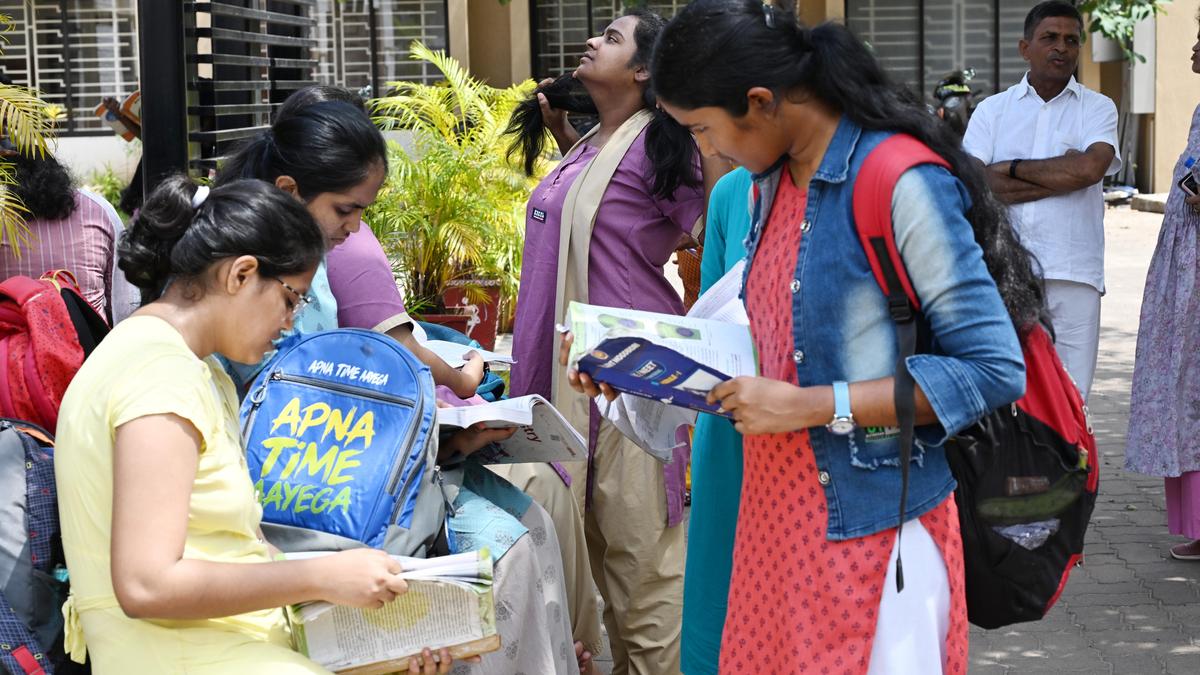
The Department of Collegiate Education has prohibited colleges from penalizing students for scholarship disbursement delays. Institutions cannot bar students from classes, exams, or hostels, nor withhold certificates due to pending government payments.
Protecting Student Rights Amid Administrative Delays
The Department of Collegiate Education has issued a definitive directive to government first-grade and aided degree colleges, effectively shielding students from the repercussions of administrative bottlenecks in scholarship distribution. By explicitly forbidding institutions from taking punitive action against students—such as barring them from classrooms, laboratories, or final examinations—the department has reinforced the principle that a student's academic progression should not be tethered to the efficiency of government financial processing.
Accountability and Institutional Responsibility
At the heart of this directive is the clear distinction between administrative failure and student liability. The department’s stance is that delays in the sanctioning or disbursement of State or Central scholarships are strictly internal governmental matters. By shifting the burden of accountability away from the individual, the order ensures that students are not unfairly victimized by bureaucratic lag, which historically has created significant anxiety and disruption in the academic calendar for those reliant on financial aid.
Ensuring Holistic Academic Access
Beyond classroom participation, the mandate extends to the protection of basic student welfare, specifically regarding housing and certification. The order explicitly prohibits the eviction of students from hostels due to pending scholarship-linked fee payments and forbids the withholding of marksheets or academic certificates. This comprehensive approach acknowledges that financial instability, if left unmanaged by administrative intervention, can lead to a total breakdown in a student's ability to pursue their degree, effectively forcing them to drop out.
Historical Context and Financial Dependency
In many higher education systems, scholarship funds are intended to bridge the gap for students from economically disadvantaged backgrounds. When these funds are delayed, colleges often face pressure to recover costs, sometimes leading to the very practices the department has now outlawed. This directive functions as a corrective measure, standardizing the treatment of students across all government and aided institutions to ensure uniformity in how financial delays are handled.
Future Implications for Institutional Governance
Looking forward, this policy likely signals a push toward greater transparency and digital efficiency in scholarship management. By removing the threat of expulsion or academic withholding, the department is forcing colleges to find alternative methods for managing revenue shortfalls during waiting periods. This shift not only protects the current student body but also sets a precedent that student welfare must remain the primary priority, regardless of the status of government funding cycles.
Verification Required?