CCG urges serving civil servants to uphold Constitution, resist 'partisan objectives'
Source Entity
India Latest News: Top National Headlines Today & Breaking News | The Hindu
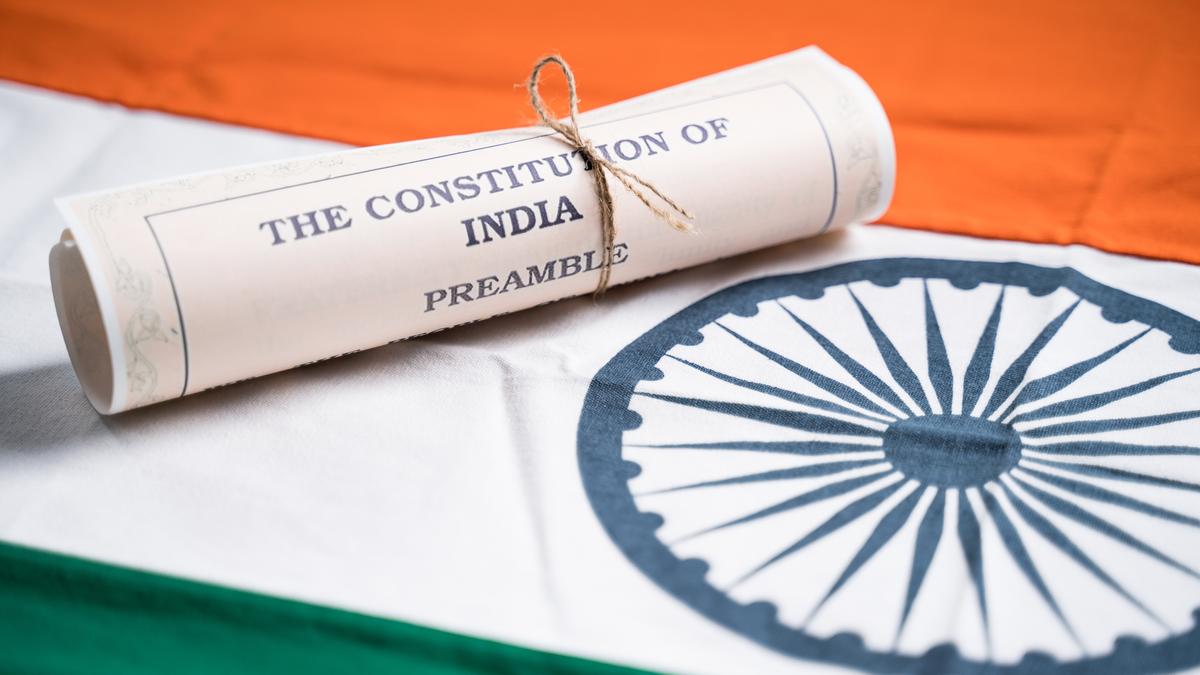
The Constitutional Conduct Group has issued an open letter urging serving civil servants to maintain independence and resist partisan political pressures. The group claims that constitutional values and democratic dialogue are under threat within the current administrative framework.
The Call for Administrative Integrity
The Constitutional Conduct Group (CCG), a collective comprised of former All-India Services officials, has issued a stark warning regarding the state of India's bureaucracy. In an open letter released on October 7, 2026, the group addressed serving civil servants, urging them to return to the foundational principles of the Constitution. The core of their argument rests on the assertion that the independence and discretionary authority of the civil service have been compromised to accommodate 'partisan objectives,' signaling a potential shift in the neutral character of the Indian administrative apparatus.
Erosion of Institutional Independence
The CCG’s intervention highlights a growing concern regarding the erosion of institutional autonomy. By suggesting that civil servants have surrendered their professional discretion, the letter points to a systemic issue where the bureaucracy may be aligning too closely with political mandates rather than constitutional obligations. This tension between executive policy and administrative neutrality is a critical pillar of governance, and the CCG’s intervention suggests that this balance is currently being tested by a top-down administrative style that leaves little room for bureaucratic dissent.
The Absence of Democratic Dialogue
A significant portion of the CCG's critique focuses on the shrinking space for democratic dialogue. The letter asserts that the Union government has increasingly moved away from consultative processes, citing major policy shifts like demonetisation, the Goods and Services Tax (GST), the abrogation of Article 370, and the Citizenship (Amendment) Act. The group argues that the lack of public and internal discussion surrounding these landmark decisions has stunted the democratic process, fostering an environment where opposition or questioning is frequently mischaracterized as 'anti-national.'
Historical Context and Bureaucratic Duty
Historically, the Indian civil service was designed to act as a 'steel frame'—a neutral, objective force capable of implementing policy while upholding the rule of law regardless of which political party holds power. The CCG’s concern is that this historical mandate is being undermined by a culture of compliance. When dissent is discouraged or labeled as hostile, the checks and balances inherent in the civil service are weakened, potentially leading to policy implementation that lacks the rigorous vetting traditionally provided by senior bureaucrats.
Future Trends and Implications
If the trend of prioritizing partisan alignment over constitutional adherence continues, the long-term implications for Indian governance could be profound. A bureaucracy that feels unable to offer candid advice or resist partisan pressure may struggle to address complex socioeconomic challenges that require nuanced, evidence-based policy. Moving forward, the CCG’s appeal serves as a reminder that the stability of the Indian state relies heavily on the ability of its civil servants to act as custodians of constitutional values, even in the face of intense political pressure.
Conclusion
The CCG's open letter acts as a reflective mirror for the current administrative climate in India. By bringing the issue of bureaucratic independence to the forefront, the group has initiated a necessary conversation about the role of the civil service in a polarized political environment. As the country navigates evolving policy landscapes, the resilience of its administrative institutions will remain a defining factor in its democratic longevity.
Verification Required?