Gen Z gives ‘Dilli Chalo’ call to fix ‘broken system’
Source Entity
India Latest News: Top National Headlines Today & Breaking News | The Hindu
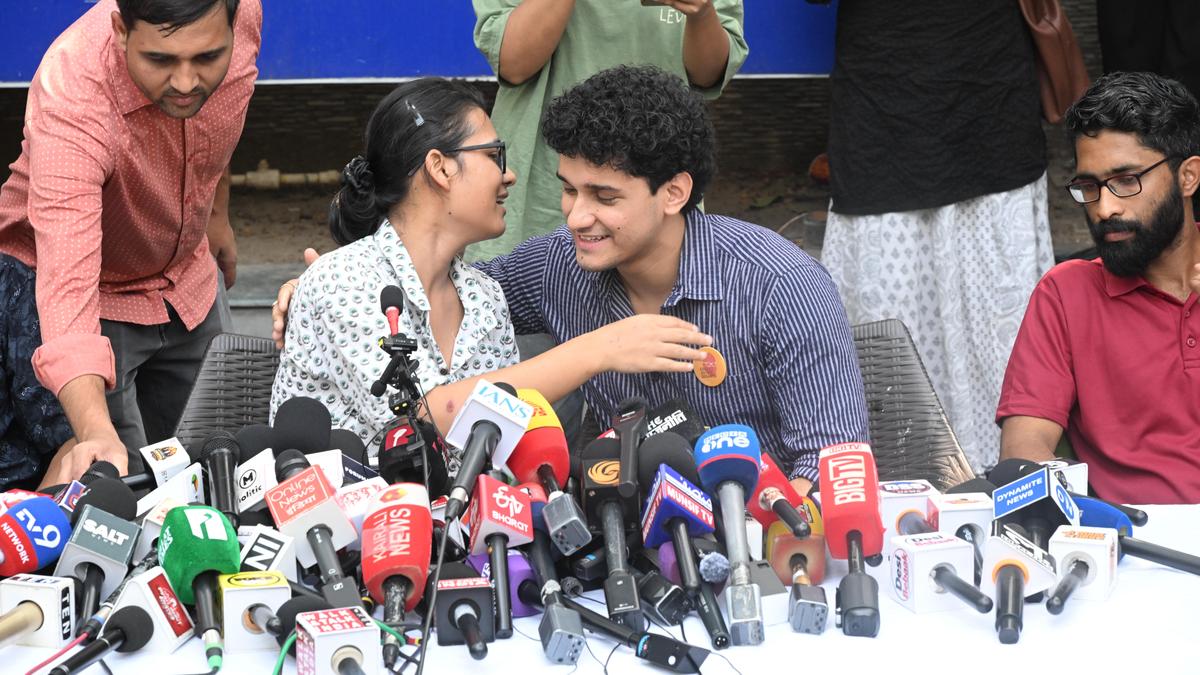
Youth organizations including AISA and CJP have issued a 'Dilli Chalo' call for an October 10 protest at Jantar Mantar. They are demanding the resignation of the Chief Election Commissioner and the rollback of the special intensive revision of electoral rolls.
The Resurgence of Youth-Led Dissent in India
The political landscape in India is witnessing a significant shift as various youth organizations, including the All India Students Association (AISA), Cockroach Janta Party (CJP), and the Student Federation of India (SFI), have issued a collective 'Dilli Chalo' (March to Delhi) call. Scheduled for October 10, 2026, at Jantar Mantar, this protest represents a coordinated effort to challenge the current electoral administration. The movement explicitly demands the resignation of Chief Election Commissioner Gyanesh Kumar and the immediate cessation of the special intensive revision (SIR) of electoral rolls, which organizers view as a threat to democratic integrity.
A New Playbook for Civil Disobedience
This mobilization reflects a broader trend in Indian activism, where traditional party-led agitation is being supplemented by fluid, youth-driven networks. Unlike historical movements that relied solely on hierarchical structures, these groups are utilizing viral slogans and decentralized digital strategies to gain momentum. The shift from 'vote chori' protests to the current focus on electoral roll integrity suggests that younger activists are prioritizing institutional transparency and the mechanics of the electoral process as their primary battleground.
The Role of Digital Amplification
Social media has fundamentally altered the geometry of protest in India. By leveraging digital platforms, organizations like AISA and ASAP have managed to transcend local boundaries, turning a hyper-local issue like the SIR process into a national conversation. This digital-first approach allows for rapid mobilization, as seen in the launch of the 'Satyagraha' website by political leaders to track protest information, effectively bridging the gap between online discourse and physical presence at sites like Jantar Mantar.
Historical Context and Political Stakes
Street protests have long served as a vital political stage in India, acting as a pressure release for systemic grievances. However, the current iteration is distinct in its aggressive focus on the Election Commission. When figures like Priyanka Gandhi engage in symbolic acts of resistance on the streets, it signals that the opposition is increasingly willing to adopt the tactics of the youth, effectively following the lead of grassroots activists. This synergy between established political blocs and student unions marks a critical juncture in the struggle against the ruling BJP.
Challenges and Future Implications
Despite the fervor, these movements face significant logistical and legal hurdles, including the Delhi Police’s requirement for protest permissions to be filed ten days in advance. As the 'Dilli Chalo' movement gains steam, the interplay between state administrative restrictions and the protesters' constitutional right to dissent will test the limits of public space usage. If this coalition of students and political actors manages to sustain its momentum, it could signal a long-term trend where electoral oversight becomes a permanent fixture of public protest, forcing the state to respond to demands for systemic reform.
Verification Required?