After Gymkhana and Jaipur Polo Ground, another Delhi club faces eviction battle
Source Entity
Sohini Ghosh
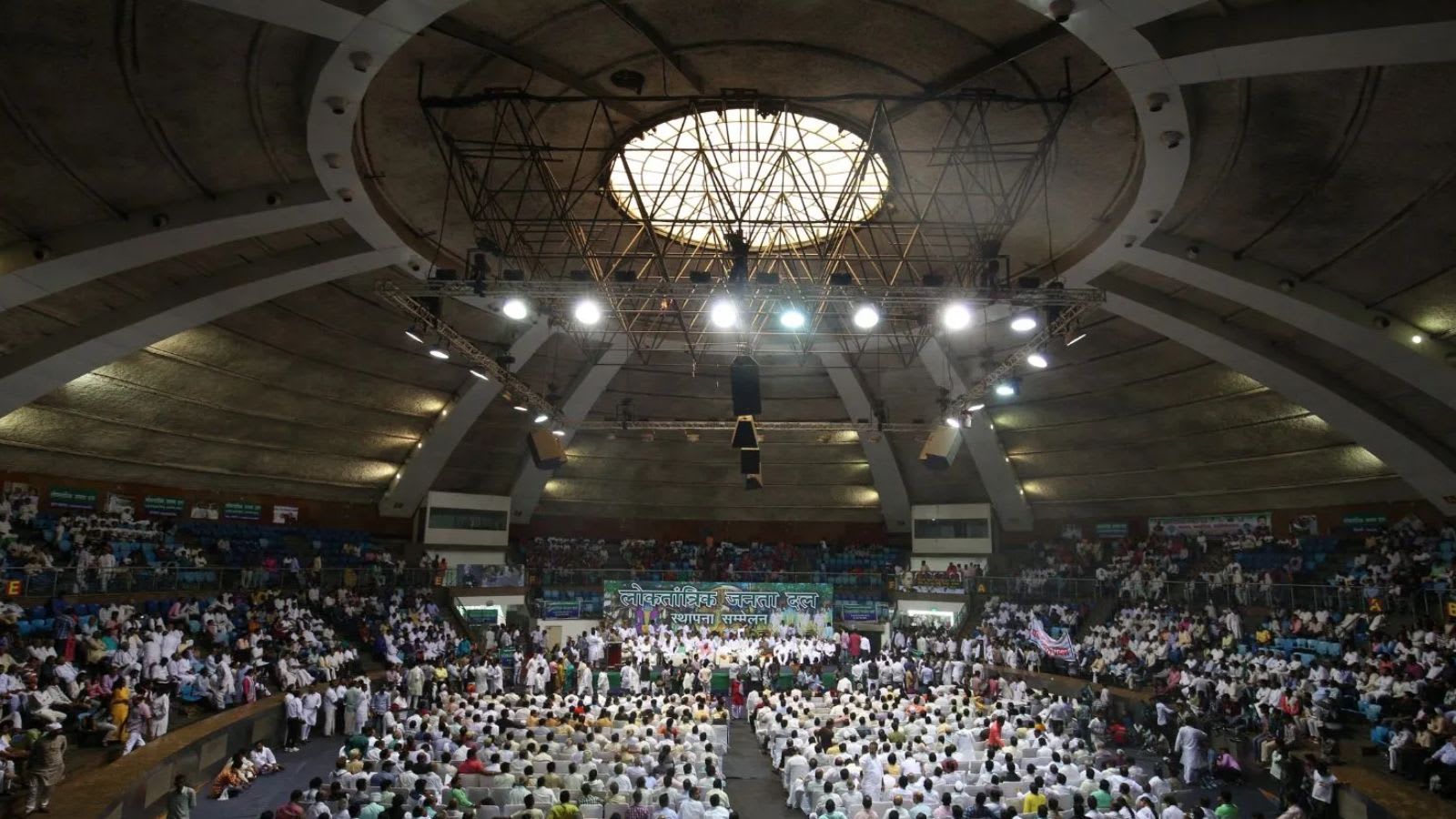
The 1919-established Central Secretariat Club is challenging a government eviction order in the Delhi High Court. This follows similar actions against other prominent Delhi clubs by the Ministry of Housing and Urban Affairs.
The Legal Battle for Delhi's Heritage Clubs
The landscape of Delhi’s social and recreational history is currently undergoing a significant shift as the Central Secretariat Club, established in 1919 and formerly known as the Talkatora Club, finds itself embroiled in a high-stakes eviction battle. This legal challenge follows a pattern of state intervention targeting some of the capital's oldest institutions. By moving the Delhi High Court, the club is seeking to overturn an eviction order issued by the Estate Officer, marking a critical moment for the future of colonial-era social infrastructure in the city.
The Sequence of Administrative Action
The crisis for the Central Secretariat Club began in rapid succession during July. On July 14, the Department of Personnel and Training (DoPT) officially withdrew the club’s recognition. This administrative move served as the precursor to an eviction notice issued by the Estate Officer on July 17, which commanded the institution to vacate its premises immediately. The speed of these actions highlights a concerted effort by government departments to reclaim land that has long been occupied by these legacy organizations.
Allegations of Autocratic Possession
The situation escalated dramatically on July 21, when the Directorate of Estates, under the Ministry of Housing and Urban Affairs (MoHUA), allegedly took physical control of the property. The club’s management has characterized this move as an "autocratic and illegal" takeover, citing the physical locking of the premises as a violation of due process. This dispute centers on the tension between state property rights and the long-standing occupancy claims of organizations that have operated in Delhi for over a century.
A Broader Pattern of Eviction
The plight of the Central Secretariat Club is not an isolated incident but rather the latest in a series of similar actions taken against prominent Delhi institutions. The Delhi Gymkhana Club, the Jaipur Polo Ground, and portions of the Sujan Singh Park complex have all faced comparable eviction pressures. These cases underscore a broader policy shift regarding the management of government-owned land in the national capital, where historical leases are increasingly being scrutinized or terminated by central authorities.
Historical Context and Future Implications
These clubs represent a unique slice of Delhi’s social history, many of them dating back to the early 20th century. The ongoing conflict reflects a clash between the preservation of historical social spaces and the government's desire to consolidate control over urban land assets. As the Delhi High Court deliberates on the legality of these evictions, the outcome will likely set a significant legal precedent for other clubs and organizations currently operating on state-owned land, potentially signaling the end of an era for these historic social hubs.