Is Centre planning to mix ethanol in Aviation Turbine Fuel? What Union Minister said
Source Entity
Latest News: Todays Latest News Headlines from India & World | Hindustan Times | Hindustan Times
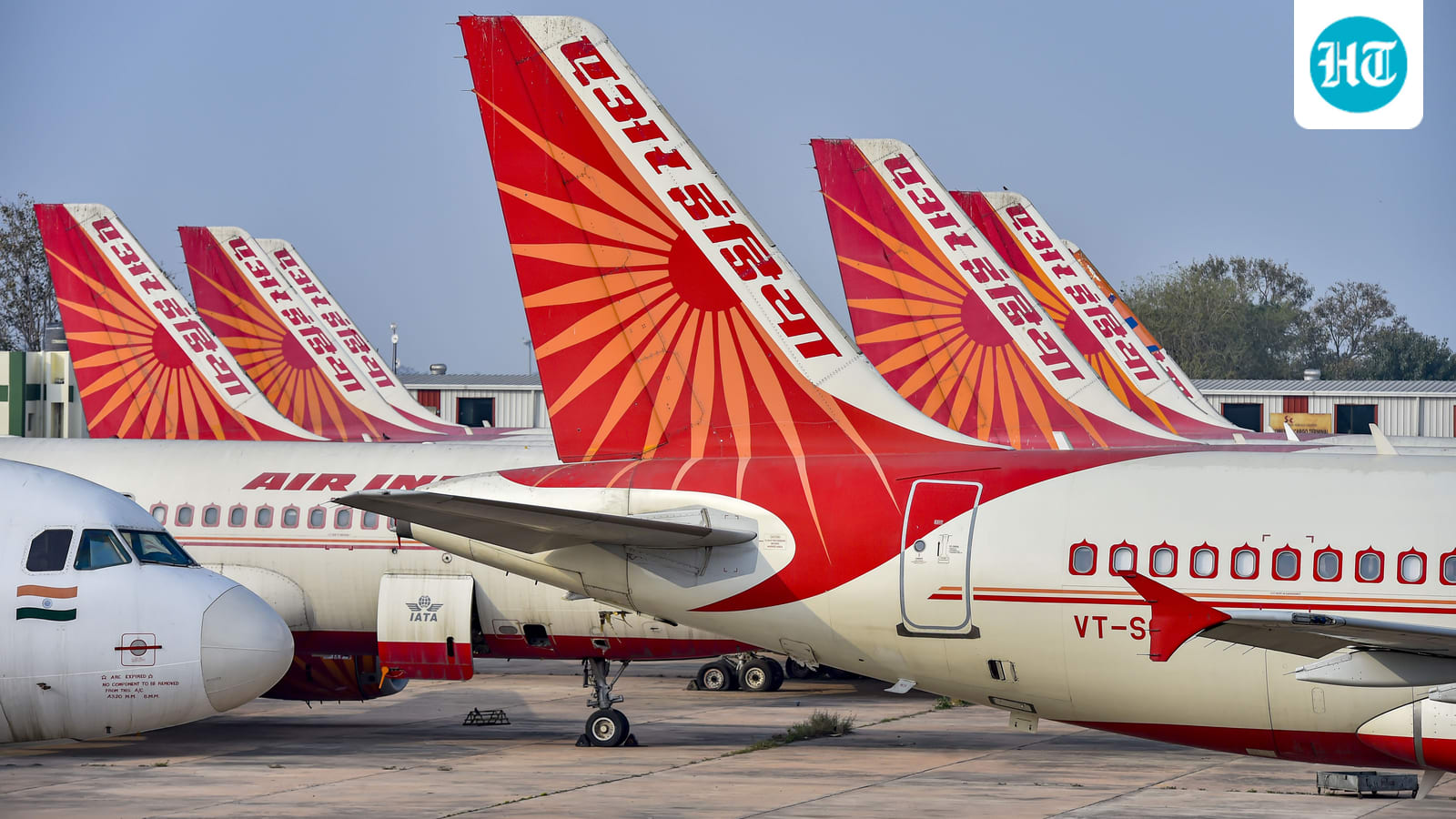
The Indian government has officially denied reports regarding the blending of ethanol into Aviation Turbine Fuel (ATF). Officials labeled these claims as completely false and irresponsible.
Clarifying the Ethanol-ATF Blending Rumors
Recent speculation regarding the Indian government's intention to incorporate ethanol into Aviation Turbine Fuel (ATF) has been met with a definitive rebuttal from the Centre. Reports suggesting that such a policy shift was under consideration have been dismissed by authorities as 'completely false and irresponsible.' This clarification is significant, as it addresses growing concerns within the aviation industry regarding fuel safety, engine compatibility, and the logistical challenges associated with alternative fuel mandates.
The Context of Ethanol Blending in India
India has been aggressively pursuing an Ethanol Blended Petrol (EBP) program for years, aiming to reduce its heavy dependence on crude oil imports and lower carbon emissions. While the automotive sector has gradually adapted to higher ethanol blends, the aviation sector operates under significantly more stringent technical requirements. The combustion characteristics of ATF are highly specialized, and any deviation in fuel composition could potentially compromise the safety and performance of turbine engines, explaining why the government was swift to dispel these rumors.
Technical and Safety Implications
For the aviation industry, fuel integrity is non-negotiable. Unlike ground vehicles, aircraft operate in extreme environmental conditions, including high altitudes and freezing temperatures, which necessitate specific freezing points and energy densities for fuel. The introduction of ethanol into this delicate chemical balance would require extensive longitudinal research, engine certification, and global regulatory approval. The government's immediate denial suggests that there is currently no intention to disrupt these established safety protocols.
Strategic Energy Policy and Misinformation
In an era of rapid digital information dissemination, the spread of unverified claims regarding national energy policy can create unnecessary market volatility. The aviation sector relies on stable, predictable pricing and standardized fuel quality to manage operational costs. By labeling the reports as 'irresponsible,' the Centre has underscored the importance of relying on official government communications when discussing critical infrastructure transitions.
Future Outlook for Sustainable Aviation Fuel
While ethanol blending in ATF is not currently on the table, India remains committed to the broader goal of decarbonization. The industry is currently exploring Sustainable Aviation Fuel (SAF) produced from biomass, waste oils, and other feedstocks. Unlike ethanol, SAF is chemically engineered to be a 'drop-in' fuel, meaning it meets the exact specifications required by existing jet engines without needing modifications. This distinction is crucial for stakeholders to understand as the government continues to refine its energy strategy.
Conclusion
The government’s categorical dismissal of the ethanol-ATF blending reports provides necessary stability to the aviation fuel market. It clarifies that while India is a leader in bio-fuel adoption in the automotive sector, any transition in aviation will follow a rigorous, scientifically-backed path. For now, the status quo remains, and the focus remains on established, safe, and internationally recognized aviation fuel standards.
Verification Required?