Given 24 hours to remove derogatory content on Shirdi Sai Baba: Centre to HC
Source Entity
Latest News: Todays Latest News Headlines from India & World | Hindustan Times | Hindustan Times
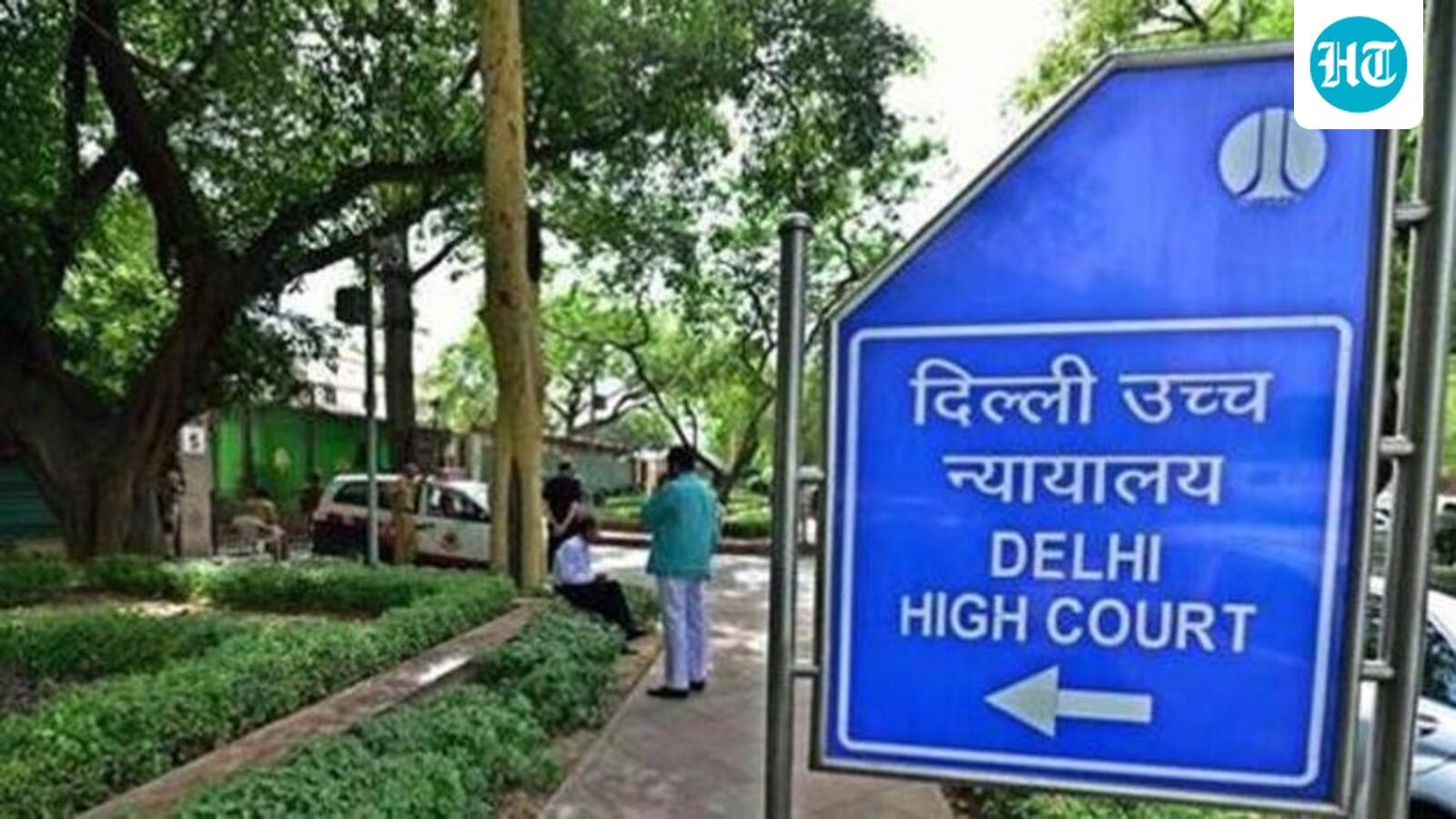
The Centre has directed online intermediaries to remove derogatory content regarding Shirdi Sai Baba within 24 hours to prevent social unrest. This action follows a petition by the Shri Saibaba Sansthan Trust and a directive from the Grievance Appellate Committee.
Government Intervention on Religious Content
The central government has taken a decisive step in the Delhi High Court, confirming it has issued directives to online intermediaries to remove content deemed derogatory toward Shirdi Sai Baba. This intervention, reported to occur within a strict 24-hour window, is framed as a necessary measure to uphold public order and protect the religious sentiments of millions of devotees. The move follows a petition brought forward by the Shri Saibaba Sansthan Trust, Shirdi, which sought judicial relief against the proliferation of inflammatory digital material.
The Role of the Grievance Appellate Committee
The legal mechanism behind this directive is the Grievance Appellate Committee (GAC). As submitted by the Centre’s legal counsel to Justice Swarana Kanta Sharma, the GAC formalized this decision on August 13. This action was taken in direct compliance with previous judicial observations that mandated a formal review of the content in question. The GAC serves as a crucial regulatory layer in India’s digital governance, providing a platform for addressing grievances against social media platforms and digital intermediaries when initial complaints remain unresolved.
Protecting Religious Sentiments in the Digital Age
The core of this dispute centers on the rapid dissemination of digital content that may incite social friction. By setting a 24-hour deadline for takedowns, the authorities are acknowledging the volatile nature of online discourse. In the modern era, inflammatory content concerning religious figures can go viral almost instantaneously, potentially leading to real-world consequences. The Centre’s argument emphasizes that allowing such content to persist unchecked poses a significant risk to communal harmony and the preservation of religious dignity.
Legal Precedents and Intermediary Responsibility
This case highlights the evolving responsibilities of online intermediaries under Indian IT laws. The court’s involvement underscores the expectation that platforms must act expeditiously upon receiving government orders to mitigate harm. As the judiciary continues to refine the balance between freedom of expression and the prevention of hate speech, the Shirdi Sai Baba case serves as a clear indicator of how the state intends to leverage existing regulatory frameworks to police digital environments.
Implications for Future Digital Governance
Looking forward, this event signals a more proactive approach from the state regarding the regulation of religious content online. By prioritizing the GAC's role, the government is streamlining the process for faith-based organizations to seek redress. This case will likely set a benchmark for how future petitions involving deities or religious figures are handled by digital platforms, reinforcing the mandate that intermediaries must prioritize the removal of content identified as harmful by regulatory bodies.
Conclusion
The intervention by the Centre in the Delhi High Court represents a significant development in the intersection of law, religion, and digital regulation in India. By acting on the petition of the Shri Saibaba Sansthan Trust, the government has reaffirmed its commitment to maintaining social stability. As digital platforms continue to adapt to these regulatory pressures, the 24-hour removal standard may become a standard operational procedure for addressing similar grievances in the future.
Verification Required?