Former Chennai Police Commissioner A. Arun files defamation suit seeking ₹1 crore in damages from ‘Savukku’ Shankar
Source Entity
India Latest News: Top National Headlines Today & Breaking News | The Hindu
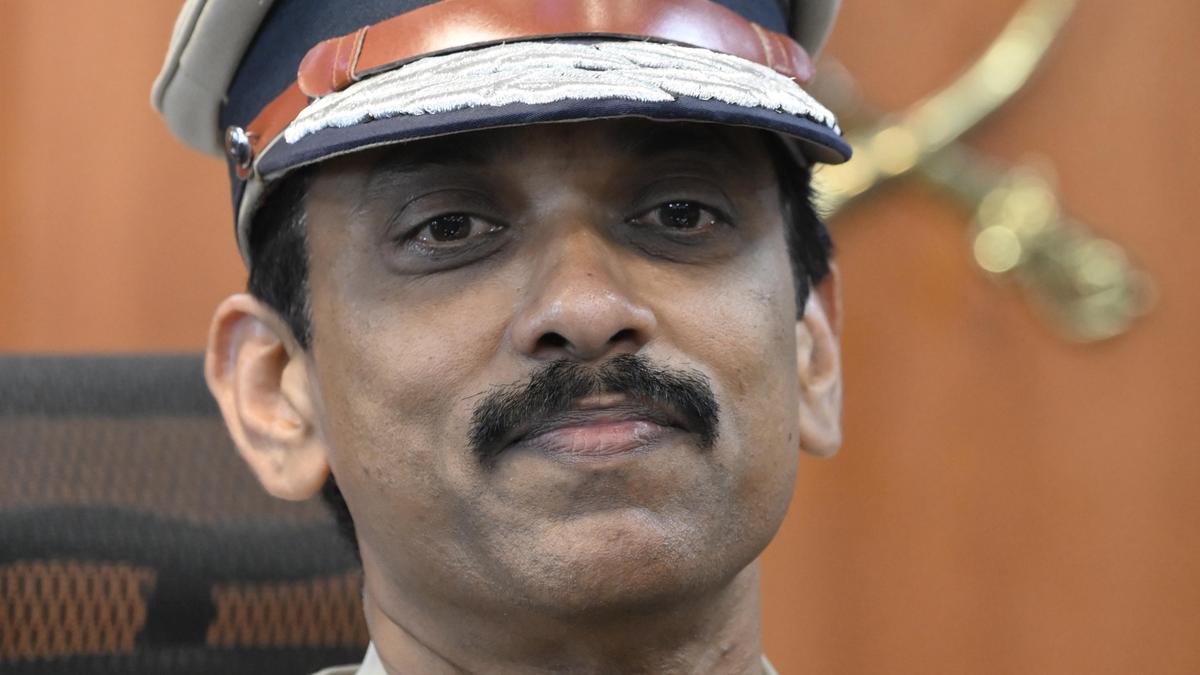
Former Chennai Police Commissioner A. Arun has filed a ₹1 crore defamation suit against YouTuber 'Savukku' Shankar. The lawsuit addresses alleged reputational damage and seeks the removal of defamatory content from social media platforms.
Legal Confrontation: A. Arun vs. 'Savukku' Shankar
The Defamation Suit Overview
Former Chennai Police Commissioner and senior IPS officer A. Arun has formally initiated legal proceedings against YouTuber and social media commentator 'Savukku' Shankar, also known as A. Shankar. The lawsuit, filed as a defamation suit, demands damages exceeding ₹1 crore, supplemented by a 12% annual interest rate from the date of filing until full realization. This move underscores a growing trend of high-ranking officials utilizing the civil court system to address what they perceive as targeted smear campaigns conducted through digital media channels.
Claims of Reputational Harm
In his detailed plaint, A. Arun argues that the series of videos published by the defendant has caused irreparable harm to his standing as a public servant. The officer explicitly cites damages related to loss of reputation, significant emotional distress, and acute mental agony. Furthermore, the suit highlights the professional repercussions of these allegations, asserting that the content provided by Shankar has encroached upon his privacy and dignity, thereby necessitating legal intervention to restore his professional honor.
Digital Responsibility and Platform Accountability
Beyond the primary defendant, the lawsuit notably targets the intermediaries involved in the dissemination of the content. A. Arun has sought a judicial direction to both YouTube and X Corp (formerly Twitter) to remove the videos and tweets identified as defamatory. This aspect of the case reflects a broader, ongoing debate regarding the liability of social media platforms in hosting content that public figures claim is defamatory, and whether these platforms should proactively monitor or remove such content upon receiving legal notices.
Implications for Digital Discourse
This litigation serves as a critical case study in the intersection of Indian law and digital freedom of speech. By seeking a permanent injunction, the plaintiff aims to silence not only the primary defendant but also his agents, followers, and any associated parties from republishing or broadcasting the contested material. This move highlights the strategic use of permanent injunctions to prevent the viral spread of allegations, which can often lead to long-term reputational damage that is difficult to reverse through mere rebuttals.
Future Trends in Legal Recourse
As digital platforms continue to democratize information, the tension between free expression and the protection of individual reputation is likely to intensify. Public officials, who are increasingly subject to intense scrutiny on social media, are demonstrating a lower threshold for tolerating what they deem as malicious disinformation. We can expect to see more high-stakes defamation suits in the coming years, as the legal system grapples with defining the boundaries of 'fair comment' versus 'defamatory speech' in the age of viral video content.
Conclusion
The outcome of the suit filed by A. Arun will likely set a significant precedent for how future disputes between public officials and independent content creators are handled in Indian courts. By seeking both financial restitution and the removal of content from global platforms, the plaintiff is signaling a comprehensive approach to mitigating the damage caused by the digital era’s rapid dissemination of information.
Verification Required?